



A Campus Security Warning Ignored: The Brown University Shooting
The Troubling Signs Before Tragedy
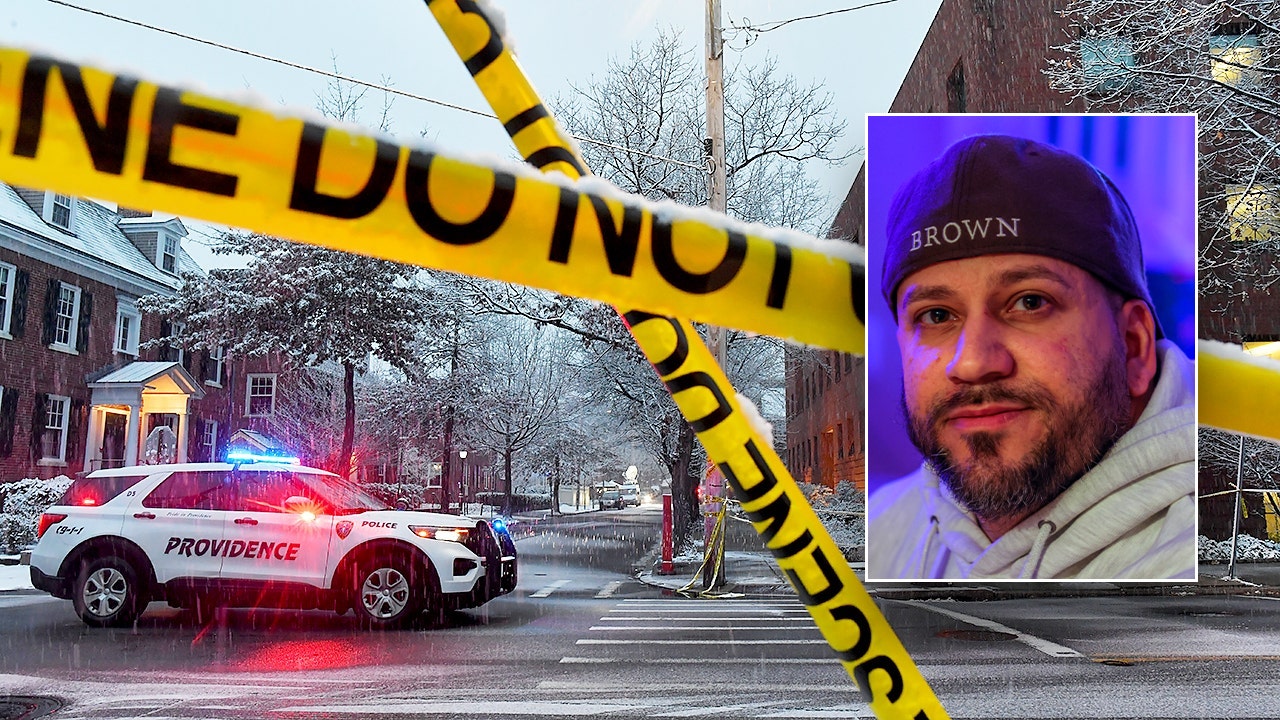
Derek Lisi, a Brown University custodian, noticed something disturbing in the weeks leading up to the December 13 campus shooting that claimed two lives and injured nine others. Approximately ten times since early January, Lisi observed a suspicious man pacing the hallways of the Barus and Holley engineering and physics building. The man would peer into classrooms and once even hid behind a bathroom to avoid detection. When police later shared images of the suspect, identified as 48-year-old Claudio Manuel Neves Valente, Lisi immediately recognized him. “He’d been casing that place for weeks,” Lisi told The Boston Globe. The custodian’s instincts had been correct – something was indeed “off” about the man who would later allegedly commit a devastating act of violence at the prestigious university.
A Warning Given, But Not Heeded
What makes this tragedy even more heartbreaking is that Lisi had attempted to sound the alarm. In mid-November, he informed a campus security guard about the suspicious individual “circling the hallways” and repeatedly showing interest in room 166 – the very location where the shooting would later occur. “Something’s off with this guy, so I gotta say something,” Lisi recalled thinking when he spotted the man again on December 1, just before going on vacation. After the shooting, when the suspect’s identity was revealed, Lisi’s worst fears were confirmed: “I hope it’s not the guy I’ve been seeing. I hope it’s not.” Lisi later spoke with Providence Police on December 15, two days after the tragedy, presumably to share what he had observed in the preceding weeks.
Lives Lost and Forever Changed
The human cost of the shooting cannot be overstated. Nineteen-year-old Ella Cook, who served as the vice president of the Brown University College Republicans, and Mukhammad Aziz Umurzokov were both killed. Cook was laid to rest in Birmingham, Alabama, on Monday morning, surrounded by grieving family and friends whose lives will never be the same. Beyond the two fatalities, nine others were injured, with five victims still recovering at Rhode Island Hospital, though reported to be in stable condition. The ripples of trauma extend far beyond those directly hit by bullets – affecting the entire campus community and leaving psychological scars that may take years to heal, if they ever do.
Security Failures Exposed
Lisi’s observations reveal troubling security lapses at one of America’s most prestigious universities. The custodian characterized the Barus and Holley engineering and physics building as “a free-for-all for a long time,” noting that “anybody could just come in” without meaningful security checks or barriers. This open-access environment may have enabled the shooter to familiarize himself with the building layout and routines, essentially conducting reconnaissance for weeks before the attack. The apparent failure to act on Lisi’s warning raises serious questions about the university’s security protocols, threat assessment procedures, and communication between security personnel and campus leadership.
Legal Implications Begin to Emerge
As the university community grapples with grief and shock, the institution is also preparing for potential legal consequences. Brown University has retained former U.S. Attorney for Rhode Island Zachary Cunha, a move that suggests administrators anticipate possible lawsuits related to the shooting. A university spokesperson characterized this as routine, stating: “Brown works routinely with outside counsel whose expertise complements that of the University’s Office of the General Counsel. In this case, we retained Zachary Cunha, the former United States Attorney for the District of Rhode Island, to assist the University in coordinating with federal, state and local law enforcement agencies.” However, the timing of this legal preparation indicates the administration recognizes the potential liability questions surrounding the tragedy.
Broader Implications for Campus Safety
This shooting adds to a troubling pattern of violence at American educational institutions and raises urgent questions about campus security nationwide. Reports suggest possible links between the Brown University shooting and another incident at MIT, indicating a potentially broader threat that crossed institutional boundaries. The tragedy has also increased scrutiny of Brown University President Christina Paxson’s response and leadership during the crisis. Beyond the immediate community, this incident serves as another painful reminder of the vulnerability of open campuses and the challenge of balancing educational accessibility with security concerns. Universities across the country will likely be reviewing their own safety protocols, particularly regarding building access, response to reported suspicious behavior, and communication systems during emergencies. The warning signs observed by an attentive custodian – ignored until it was too late – stand as a sobering reminder that prevention often depends on taking seriously the observations of those who know their environment best.