




The Brian Walshe Murder Trial: A Disturbing Case of Alleged Betrayal and Cover-Up
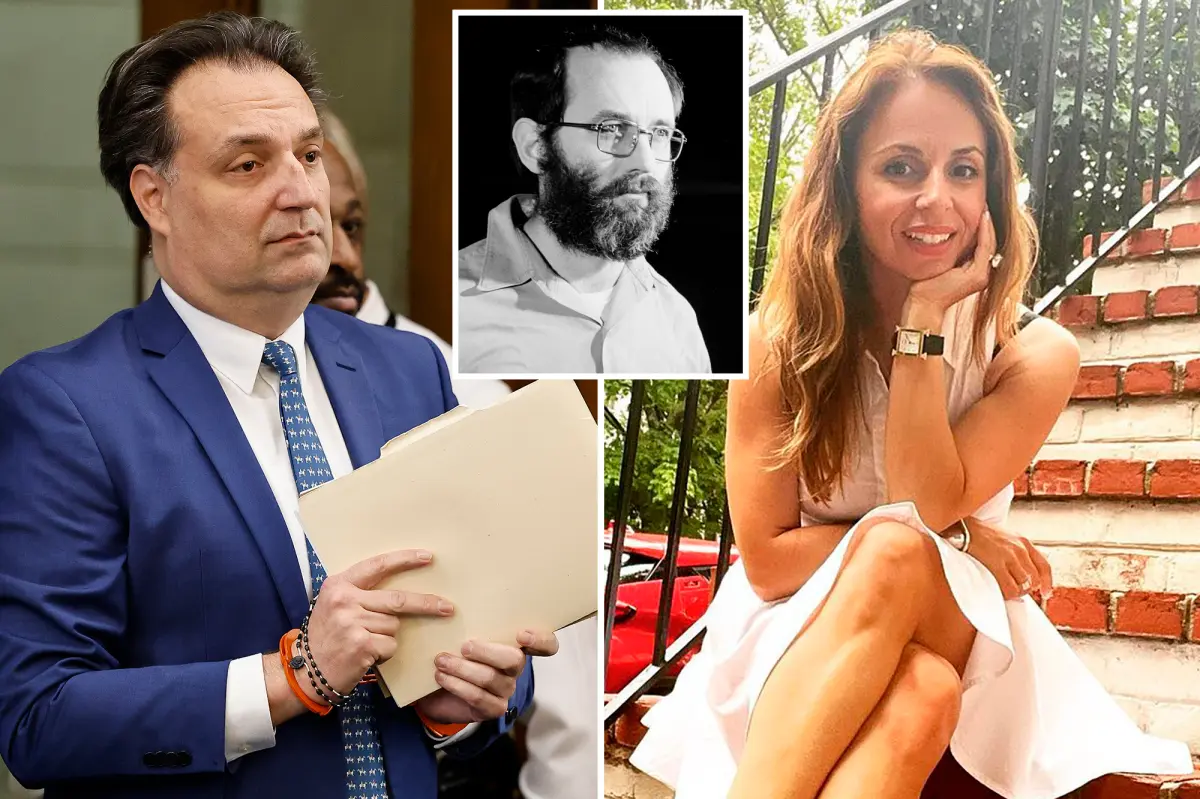
In a Massachusetts courtroom, a disturbing murder trial is unfolding that has captured national attention. Brian Walshe, a 50-year-old father of three, stands accused of murdering his wife Ana around New Year’s Day 2023. The case has revealed troubling details about the couple’s marriage and Brian’s alleged actions following Ana’s disappearance. Prosecutors presented evidence that Brian watched a video about a “cheating wife” on December 27, just days before Ana vanished forever. This detail has become significant as the prosecution builds their case around the theory that Brian suspected his wife was having an affair with a man named William Fastow—a suspicion they claim drove him to commit the unthinkable. The prosecution alleges Brian had even searched Fastow’s name online before Ana’s death, suggesting he was aware of the relationship and potentially planned his actions in response to this betrayal.
The defense team, led by attorney Larry Tipton, has painted a dramatically different picture of the Walshe marriage. Tipton insists that Brian and Ana were deeply in love and devoted to their three young sons, despite Ana’s alleged affair. According to the defense, Brian had no knowledge of any infidelity, and they’ve attempted to explain away the explicit video viewing as simply searching for content featuring a preferred actress rather than specifically seeking out videos about unfaithful spouses. This stark contrast between the prosecution and defense narratives highlights the complex nature of the case, where the true dynamics of the couple’s relationship may never be fully understood by those outside their marriage. While Brian has admitted to disposing of Ana’s body, he maintains he did not kill her—a crucial distinction that stands at the heart of this trial.
Perhaps most damning to Brian’s defense are the extensive digital breadcrumbs allegedly left in the wake of Ana’s disappearance. Massachusetts State Police Trooper Nicholas Guarino testified about a series of disturbing internet searches Brian allegedly made in the days following his wife’s disappearance. These included “best way to dispose of a body,” “how long before body starts to smell,” “how to saw a body,” “hacksaw the best tool for dismembering body,” and “can a body decompose in a plastic bag.” In what might be considered a grim irony, Brian even searched “can police get your search history without your computer.” The prosecution also revealed that Brian allegedly researched serial killer Patrick Kearney, known as the “trash-bag killer” for disposing of his victims’ bodies in trash bags. Perhaps most incriminating was the search: “can you be charged with murder without a body,” followed by viewing a Wikipedia page titled “Murder conviction without a body.” These digital traces, if proven to be made by Brian, create a timeline of calculated actions that prosecutors argue demonstrate premeditation and consciousness of guilt.
The physical evidence in the case is equally disturbing. Prosecutors allege that Brian visited stores including Lowe’s and Home Depot to purchase tools and cleaning supplies that would later be used in the gruesome task of dismembering Ana’s remains. According to their theory, he then disposed of her body parts in various dumpsters, causing them to be incinerated and compacted during the waste disposal process—a deliberate method to ensure Ana’s remains would never be recovered intact. This systematic approach to concealing evidence, prosecutors suggest, indicates not a panicked response to an accidental death as the defense claims, but rather a calculated effort to eliminate all traces of a deliberate killing. Despite Brian’s admission to disposing of Ana’s body, the gap between acknowledging this act and admitting to murder remains the central question for jurors to resolve.
Potential motives in this case extend beyond marital infidelity. Prosecutors have suggested that Brian may have been driven to violence by mounting personal and financial pressures. At the time of Ana’s disappearance, Brian was already facing the consequences of an art fraud conviction, which included a substantial $400,000 restitution requirement and impending prison time. These legal troubles, combined with his suspicions about Ana’s fidelity, may have created a perfect storm of stressors that culminated in violence. The prosecution portrays Brian as a man watching his life unravel on multiple fronts, potentially seeing murder as a desperate solution to his mounting problems. This motive narrative attempts to explain why a husband and father might take such extreme and irreversible action against the mother of his children.
The defense has offered an alternative explanation for Ana’s death and Brian’s subsequent behavior that acknowledges his role in disposing of her body while maintaining his innocence in her actual death. According to Tipton, Ana died of “sudden unexplained death”—a natural cause rather than homicide. The defense claims that Brian, fearing he would be blamed due to his existing legal troubles, panicked and made the catastrophic decision to dispose of her body rather than report her death. This fear-driven cover-up, they argue, explains both his physical actions and his incriminating internet searches. As the trial, expected to last up to three weeks, continues to unfold, the jury faces the challenging task of determining whether Brian Walshe is guilty of premeditated murder or simply a frightened man who made terrible choices in the aftermath of an unexpected tragedy. If convicted of first-degree murder, Brian faces mandatory life imprisonment—an outcome that would permanently separate him from the three young boys who have already lost their mother under the most tragic circumstances.