






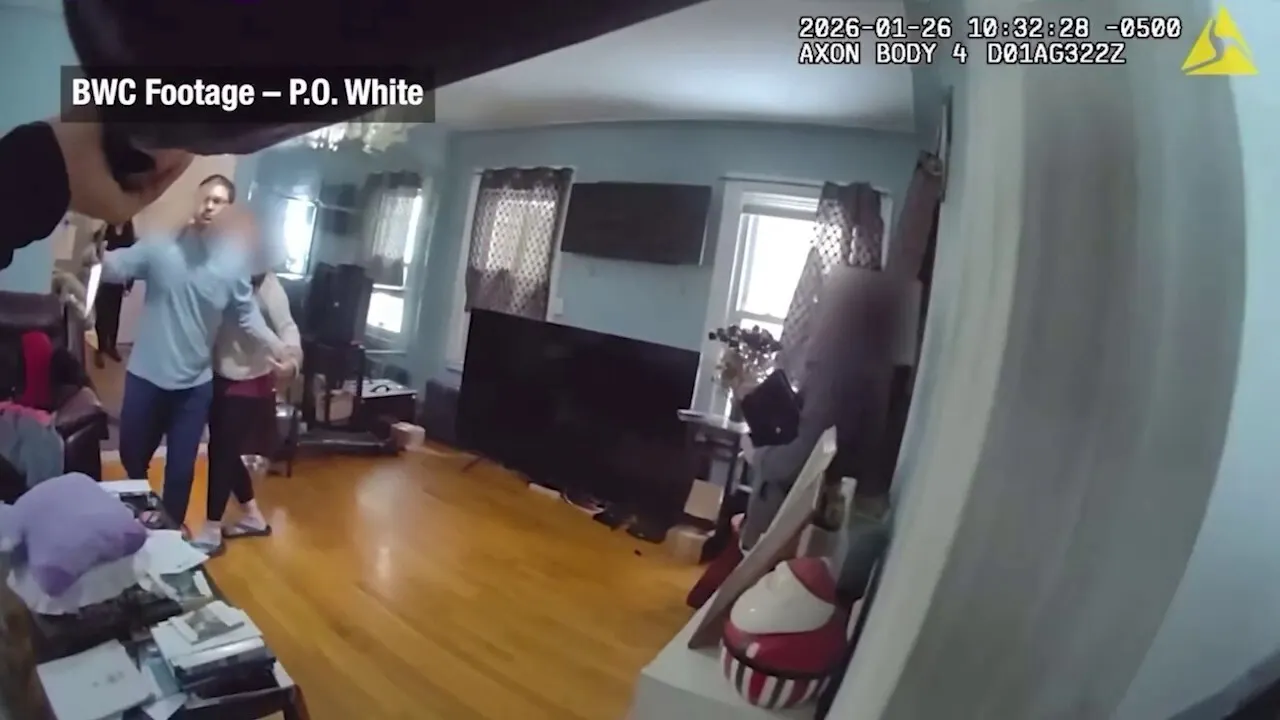
A tragic incident unfolded in New York City on January 26, where a 22-year-old man named Jabez Chakraborty, battling schizophrenia, was rushed to the hospital after being shot multiple times by police. Imagine the fear and confusion of a young man grappling with a severe mental health crisis, only to have it escalate into violence. Chakraborty’s family had called for help, desperately requesting an ambulance to get him involuntary treatment after he threw a glass against the wall during a breakdown. Instead, officers arrived and, according to the released body camera footage, tried to de-escalate as Chakraborty waved a large kitchen knife around. It’s heartbreaking to picture this scenario—one that highlights the vulnerability of mental health crises and the thin line between needing care and facing lethal force. Mayor Zohran Mamdani later reflected on this, emphasizing that such situations shouldn’t automatically summon armed police, but rather trained responders who prioritize well-being over enforcement.
The footage paints a raw picture of the confrontation in a Queens home, where officers repeatedly shouted, “Put the knife down!” yet Chakraborty, immersed in his episode, kept advancing. A brave woman—likely a family member—tried shielding him, extending her arm, but he brushed past with the knife still in hand. Watching the officer retreat into the vestibule, closing the door in a bid for safety, you can almost feel the rising tension, the heart-pounding adrenaline on both sides. Chakraborty pushed through the door, charging at the officer, who then fired four shots. It’s a moment that stirs empathy for everyone: the frightened officers, the struggling man, and the family witnessing it all. Chakraborty survived, now stable in intensive care, but critical—a young life hanging by a thread after what could have been a medical intervention instead of a shootout.
This event sparked debates about how cities handle mental health emergencies, with Mayor Mamdani calling for reform. After viewing the footage, he spoke poignantly about Chakraborty’s long battle with schizophrenia, insisting that prosecution isn’t the answer—real help is. “A person experiencing a mental health episode doesn’t always need police first,” he said, advocating for alternatives like social workers on certain 911 calls or “transit ambassadors.” It’s a human call for compassion, rooted in understanding families’ pain. Chakraborty’s relatives, grieving and outraged, accused the police of escalating matters unnecessarily; they described him as calmly eating just minutes before being shot, painting a scene full of missed opportunities for gentle intervention rather than gunfire.
The family’s statement echoed deep trauma, begging for the Queens District Attorney to drop any charges and for more video footage to be released. They criticized law enforcement for turning a potential medical call into a life-altering crisis, urging systemic changes where responders aren’t armed cops but empathetic professionals. One can sense their heartache, imagining endless nights worrying about loved ones with mental illness falling through society’s cracks. Mayor Mamdani, in a heartfelt move, met with them, acknowledging his initial cautious response and vowing to center families’ needs over bureaucracy. This feels like a broader cry for a kinder system—one where people aren’t criminalized for their illnesses.
Not everyone agrees on the coverage, though. The Police Benevolent Association’s president, Patrick Hendry, defended the officers, calling the situation unpredictable and dangerous, with no room for delay. “They acted professionally under terrible circumstances,” he said, highlighting the officers’ perspective: loyalty to their duty and safety. It’s a reminder that police often enter high-stakes, unknown environments without time to spare, balancing their lives against potential threats. Hendry’s words add a layer of humanity to the officers’ side, portraying them as brave individuals facing tough calls, not faceless enforcers. Both sides grapple with the complexities, underscoring how empathy and quick judgments intersect in moments of crisis.
Ultimately, this story brings to light the urgent need for transformative changes in how we respond to mental health crises in America. Chakraborty’s case isn’t isolated—it’s part of a larger conversation about de-escalation, community safety, and the toll on families enduring such horrors. As investigations proceed, possibly leading to indictments, we can’t help but hope for reforms that save lives rather than scar them. Mayor Mamdani’s push for raising taxes on the wealthy to fund mental health initiatives or disbanding protest units signals a progressive vision, but at its core, it’s about humanity: treating people like Chakraborty with care, not cuffs. Watching this unfold, one feels a collective sadness and a spark of hope for a more compassionate society where no one with an illness ends up in such a tragic spiral. If only more stories like this prompted real, heart-driven action, imagine the lives we could preserve.