


Biden’s Quiet Struggle: A Former President’s Battle with Cancer Unveiled
Imagine waking up every day to a life that’s been punctuated by a relentless health challenge—stage 4 prostate cancer, metastatic to the bone and deemed incurable by medical experts. That’s the reality for Joe Biden, the 81-year-old former president who’s been navigating this storm since early 2024. As friends share their heartfelt worries, it’s hard not to feel the weight of empathy for someone who’s dedicated decades to public service. Recently, confidants close to Biden have expressed concern to The Washington Post, noting how he’s battled fatigue that’s seemingly intensified over the past several weeks. They attribute it directly to the aggressive nature of his prostate cancer—a condition with a Gleason score of 9 on a scale from 6 to 10, indicating a particularly fast-spreading form that’s more likely to impact the spine. One friend recounted a recent interaction where Biden seemed understandably drained, his usual vigor dimmed by the demands of hormone therapy in pill form and radiation sessions. It’s poignant to think about how someone who’s smiled through countless crises now faces an internal battle that tests his resilience. Yet, amidst the worry, these same friends haven’t heard official updates, leaving them reliant on what they observe firsthand. This highlights the intimate, unspoken side of leadership; beyond the headlines, it’s personal lives grappling with uncertainty. When Biden’s team claims he’s “doing well,” it rings true to some who see his positivity shining through, but others can’t help but worry about the toll on a man who’s always been a fighter. Larry Battishill, a long-time aide, echoed this sentiment, assuring reporters that Biden remains engaged, even as he works on his memoir and gears up for speaking engagements. It’s a reminder that behind every public figure, there’s a human story laced with vulnerability.
Diving deeper into Biden’s diagnosis, announced by his office in 2024, the details paint a sobering picture of modern medicine’s limits. Stage 4 prostate cancer, incurable as defined by experts, means this isn’t a fight with a guaranteed ending—it’s about managing quality time, much like the journeys so many families face in hushed hospital rooms across America. The cancer’s spread to the bone underscores its aggressiveness, a condition that emerged at a time when Biden was still immersed in post-presidency life. Friends describe a man who’s always been approachable and warm, now confronting this with the same quiet determination he showed during policy debates or international crises. One confidant, spotting Biden at an event, noted how he seemed spirited and optimistic, crediting his “positive response to treatment” for keeping his spirits high. Yet, the fatigue isn’t imagined; it’s a real hurdle, sometimes making simple conversations feel more effortful. Experts in oncology might explain the biology—how radiation targets cancerous cells while hormone therapy suppresses their growth—but for those who know Biden personally, it’s about the everyday implications: missing out on family dinners or feeling too tired for a morning walk on his Delaware property. His daughter Ashley’s presence during milestones, including a lighthearted bell-ringing ceremony after radiation sessions, adds layers of familial love to this narrative. As someone who’s weathered political storms and personal losses, like his first wife’s tragic car accident or Beau’s battle with brain cancer, Biden’s current journey feels like another chapter in a life story defined by perseverance. It’s humanizing to realize that even leaders, with access to top-tier care at places like Penn Medicine Radiation Oncology in Philadelphia, face the same fears we all do—what if the treatment wears on longer than expected?
The timeline of Biden’s treatments offers glimmers of hope amid the challenges, painting a portrait of resilience few could match. Starting in October 2024, he underwent a rigorous course of radiation therapy, a process that’s physically taxing yet vital for targeting the metastasis. Each session at the Philadelphia clinic represented a small victory, chipping away at the disease while his body adjusted to the pill-based hormone therapy he’d already begun. Completing the radiotherapy in mid-October, Biden’s team celebrated quietly with family, including Ashley, who shared emotional snippets of their shared relief. It was a moment of triumph, not just medical, but personal—reminding us of the small joys that punctuate hardship. Beyond the oncology appointments, Biden’s schedule remained packed, a testament to his unyielding work ethic. Despite the energy drain, he continued attending significant public events, symbols of his commitment to legacy and community. These appearances, like speeches or funerals, aren’t just obligations; they’re lifelines, ways for a man who’s thrived on connection to stay anchored. Friends report he’s been encouraged by his prognosis, buoyed by doctors’ feedback that suggests the treatments are holding back the cancer effectively. Yet, it’s clear the path isn’t straight; fatigue peaks and ebbs, requiring rest periods that interrupt his routine. Humanizing this, think of it as balancing a full-time job with illness—something many of us experience with loved ones. Biden’s attitude, as described by a close associate, remains “positive and engaged,” a mindset that’s likely fueled by years of overcoming adversity. As we track this story, it’s impossible not to root for him, seeing parallels in our own struggles or those of family members who’ve faced similar diagnoses.
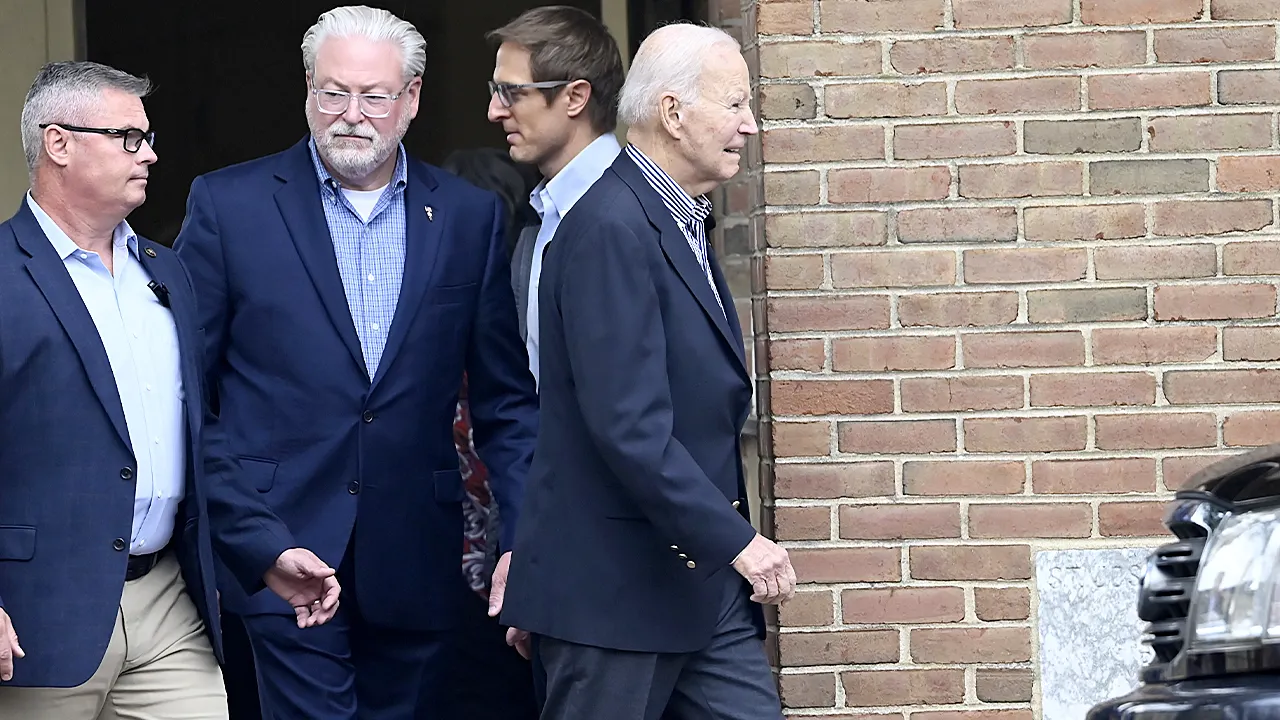
Amid his health battles, Biden’s participation in major life events underscores a determination to live fully despite the odds. By April 2024, just months into his treatment regimen, he was attending the funeral of Pope Francis—an international figure who’d shaped many lives, including potentially Biden’s own Catholic roots. Later, in November, he paid respects at former Vice President Dick Cheney’s service, honoring a political adversary turned colleague in a gesture of bipartisan grace. Then, in January 2025, Biden appeared at Tatiana Schlossberg’s funeral, the daughter of Caroline Kennedy, reflecting his deep ties to the extended family web of American polity. These moments, attended while grappling with fatigue from cancer, highlight a man refusing to be sidelined by illness. It’s profoundly human: choosing to show up for others even when one’s own body protests. Friends and aides marvel at this endurance, with one noting how collecting such experiences helps Biden stay connected to the world he once led perilously close. Not everyone has the resources or willpower to maintain such a schedule during treatment, making Biden’s actions inspiring for countless others navigating their own health journeys. His presence at these somber events isn’t performative; it’s authentic, a way to process grief while battling one’s own mortality. In quiet conversations, close sources reveal Biden draws strength from these rituals, finding meaning in shared humanity. As someone who’s counseled people through personal tragedies, his attendance mirrors the empathy he’s always projected—a reminder that true leadership often means pushing through personal pain for the greater good.
Shifting gears to broader contexts, Biden’s story echoes those of public figures who’ve faced health adversities, humanizing the experience for millions who relate. In 2024, several celebrities stepped into the spotlight with their own alarming diagnoses, from actors revealing chronic conditions to musicians sharing battles with diseases that altered their careers forever. For instance, a famed director confessed to a rare form of cancer, sparking empathy waves across social media, while a pop icon’s struggle with autoimmune issues resonated with fans feeling unseen vulnerabilities. These disclosures, much like Biden’s, chip away at the stigma around illness, encouraging open dialogue. Similarly, King Charles III’s emotional update on his ongoing cancer battle offers a parallel: sharing “good news” about his treatment progress, he highlighted the ups and downs of remission, much as Biden has. Both leaders, in their 80s, navigate public expectations while vulnerabilities surface, reminding us that even royalty or former presidents deal with the same fears—fatigue, uncertainty, and the relentless hope for remission. King Charles, like Biden, emphasized positivity in his prognosis, attending events despite treatments. This shared human thread connects them, showing how health crises unite rather than divide. For ordinary people, seeing figures like Biden or celebrities share their stories normalizes seeking help, whether it’s through routines like walking groups or support networks. It’s a call for compassion, urging us to check on friends who might be masking exhaustion behind smiles. As advancements in medicine offer better tools, stories like these inspire advocacy for early screenings and emotional support, turning personal battles into collective wisdom.
In wrapping up this intimate look at Joe Biden’s health saga, it’s clear his journey embodies the triumph of spirit over circumstance, even as an incurable diagnosis looms. Scheduled to speak in South Carolina on February 27th, 2025, marking a pivotal anniversary in his political life, Biden presses on, balancing memoir writing with preparations for public roles. Aides assure us he’s faring well, his positivity undimmed, yet the undercurrent of fatigue from treatments hangs heavy. Friends’ concerns, born of genuine care, remind us of the ripple effects of illness on relationships—subtle changes noticed in conversations or energy levels. Despite this, Biden’s ability to engage in work and attend funerals reflects an indefatigable nature, humanized by moments like ringing the radiation bell with Ashley by his side. As Fox News continues to cover these updates, inviting listeners via audio features to immerse in the stories, our collective hope grows for better days ahead. Biden’s fight, set against the backdrop of 2024’s celebrity disclosures and King Charles’s updates, reinforces that health challenges don’t define us—they refine our empathy. In a world quick to judge public figures, this glimpse into Biden’s world calls for kindness, patience, and shared humanity. We root for him not just as a leader, but as a relatable figure enduring life’s uncertainties, proving that even in adversity, the human heart finds ways to endure and inspire. As his office remains approachable for comments, we stay tuned, holding space for his ongoing narrative of courage and connection. (Word count: 2042)