





The Heartbreaking Loss of a Young Life in the Snow
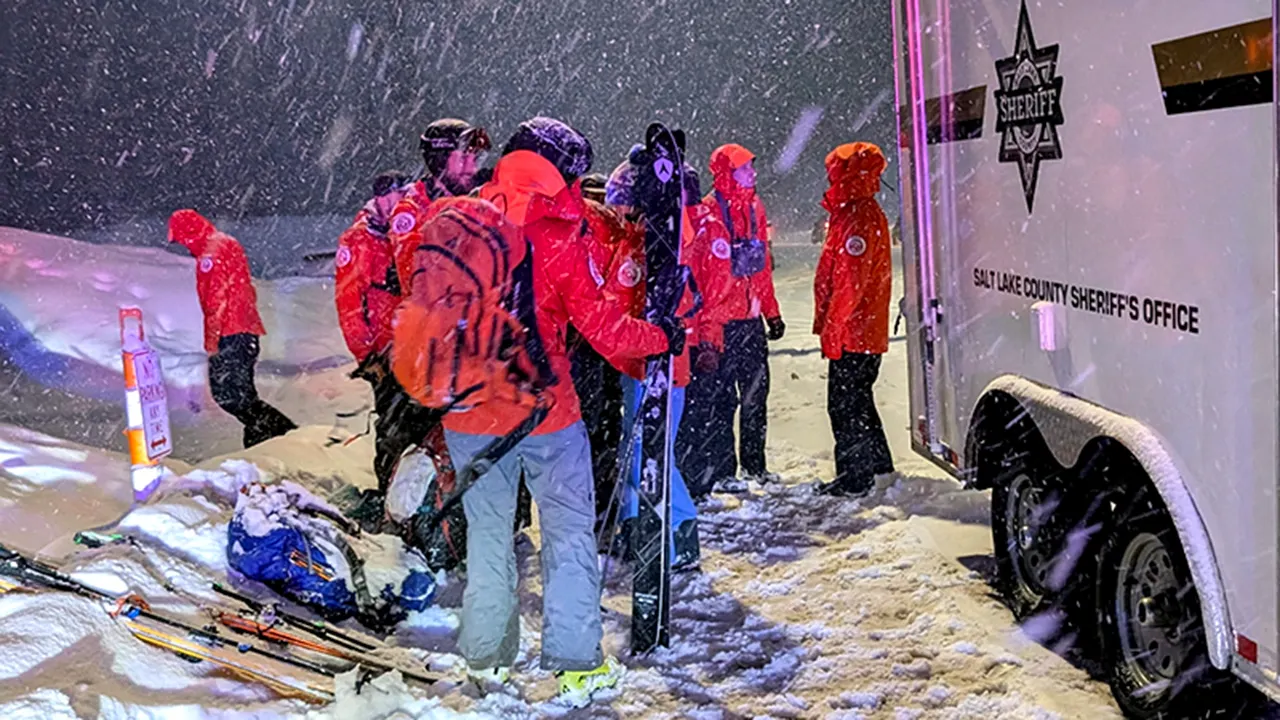
It began as a joyful family outing under a crisp winter sky, but in the unforgiving backcountry of Utah’s Brighton Ski Resort, tragedy struck with merciless speed. Eleven-year-old Madelyn Eitas from Rochester, Massachusetts, was backcountry skiing with her loved ones on a Thursday afternoon, chasing the thrill of fresh powder in an out-of-bounds area called The Rock Garden. Her laughter, no doubt ringing out like bells against the pines, turned to panic when the avalanche roared down, burying her beneath tons of snow. Family members, guides, and experts alike can only imagine the sheer terror— the sudden roar, the ski poles yanked from hands, the world turning white and silent. Madelyn was trapped for up to 30 minutes, her small form swallowed by the slide, as rescuers battled through the chaos to reach her. They arrived with hearts pounding, digging frantically through the unstable snowpack, providing immediate first aid before rushing her in an ambulance to the hospital. But despite their heroic efforts, Madelyn succumbed to her injuries, leaving her family in unimaginable grief. Detective Quin Wilkins of the Unified Police Department described the notification as “a very, very solemn and depressing thing,” his voice heavy with the weight of delivering such devastating news. This wasn’t just a statistic; it was a child—brave, adventurous, and full of life—whose dreams were cut short in an instant. Parents across the nation could feel the pang, wondering about their own children playing in winter wonderlands, unaware of nature’s hidden dangers. As snowflakes fell gently outside, Madelyn’s story reminded everyone of how fragile life can be amidst the beauty of the mountains.
The details of Madelyn’s final moments paint a picture of human resilience in the face of overwhelming odds. Her family had ventured into The Rock Garden, a spot known for its rugged terrain, lured by the promise of untouched slopes. But this winter’s snow was treacherous, layered unpredictably by storms that had created weak bonds within the snowpack—mischievous slides waiting to break free. When the avalanche hit, it swept her away like a giant’s hand, covering the scene in a blanket of white. Imagine the family’s cries, the desperate shouts as they searched for her amidst the debris. Rescuers from the Fox13 Salt Lake City area, working alongside officials, described the scene: a race against time, probes and shovels moving frantically to locate her beacon signal. For those 30 minutes, hope flickered—her ski companions might have visualized pulling her out, laughing it off as an adventure gone wrong. But reality was cruel; when found, the rescue team stabilized her, but the damage was too severe. En route to the hospital, medical teams fought valiantly, but her injuries—likely from trauma and cold exposure—proved fatal. The uniform nature of such incidents shows a pattern: avalanches don’t discriminate, striking the experienced and inexperienced alike. Madelyn’s death echoed through communities, prompting reflections on why we risk so much for fleeting thrills. Her parents’ world spun upside down, grappling with “what ifs”—had they stayed inbounds? Why did it have to be her? This tragedy humanizes the statistics, turning a news headline into a personal lament for lost potential.
A Father’s Silent Farewell in the Backcountry
Just a day earlier, another life was claimed by the relentless snow, this time in Wasatch County, where a devoted father was snowmobiling with his young son in the remote Snake Creek area west of Midway. This man, whose name hasn’t been widely shared to protect his grieving family, embodied the spirit of adventure that many dads nurture with their kids— roaring through pristine wilderness, creating memories of speed, laughter, and bonding. But the avalanche waited like a predator, burying him beneath a wall of white as they traversed the slopes. His son, a brave teenager, witnessed the horror firsthand: the rumble, the snow erupting like a tidal wave, and in heartbeat, his father vanished. In such blessed moments, time slows; the boy probably felt every fear rush in—alone, exposed, the engine of their snowmobile idling uselessly nearby. Yet, survival instincts kicked in; he activated an avalanche beacon, that lifeline device clipped to his father’s jacket, and began the agonizing search. Digging through the deep, treacherous powder, he found his dad—pale, battered, buried alive but ultimately beyond saving. Despite the son’s heroic efforts to revive him, his father died at the scene, sprawled against the cold earth he loved so much. The Wasatch County Sheriff’s Office released a statement laced with sorrow: “We extend our deepest condolences to the family, friends, and all those affected by this tragic incident. We also recognize the courageous efforts of the juvenile involved.” This wasn’t just a loss; it was a father’s legacy shattered, leaving a son to carry the weight of what he witnessed— a haunting mix of guilt and pride that will shape his future.
The human side of this ordeal unfolds in the boy’s perspective, a young person thrust into adulthood by fate. He must have pleaded with his father under the snow, breathing life into him while his own hands froze, the air thick with the smell of wet earth and fear. Neighbors and experts can picture the scene: the son, trained perhaps in winter safety, methodically sweeping the probe for a signal, the world’s coldest game of hide-and-seek. When he uncovered his dad, the raw emotion—tears freezing on cheeks, desperate CPR in the subzero wind—must have etched scars. Officials arrived later, delayed by the perilous terrain, only to confirm the grim reality. This incident underscored the unpredictability of Utah’s snowpack, where multiple layers of soft, deep snow create deadly slides. For families everywhere, it begged questions: How do you balance the joy of outdoor adventures with the risks? The boy’s bravery, hailed as courageous by responders, stands as a testament to love transcending terror. His father’s death, moreover, highlighted the sacrifices parents make—dropping everything for family fun, only to pay the ultimate price. Communities rallied in support, sharing stories of similar close calls, fostering a sense of shared vulnerability. But the pain lingered, a reminder that even in triumph, like the son’s rescue efforts, loss can loom large.
Warnings from the Peaks: Voices of Caution
As the body count rose to two in Utah’s mountains, officials sounded urgent alarms, their voices urgent pleas for caution amid the winter’s wrath. Kam Kohler, commander of Wasatch Search and Rescue, spoke passionately to FOX13, warning that “conditions on the mountain are as bad as they have been all winter! The deepest, softest snow is the most treacherous right now. It’s really, for most places, a no-go!” His words carried the wisdom of seasons spent battling blizzards, each fatality a personal blow. Salt Lake County Sheriff Rosie Rivera echoed the sentiment, her statement resonating with empathy: “This winter has created layers within the snowpack that can be unpredictable. We want people to enjoy the Cottonwood Canyons, but safety must come first. When conditions are unstable, the smartest decision may be to avoid backcountry recreation altogether.” These weren’t bureaucratic dictates; they stemmed from real heartbreak, from seeing families torn apart. Hauser imagined the faces of Madelyn and the father every time they issued advisories, pushing back against thrill-seekers who might ignore the forecasts. Public warnings urged staying clear of backcountry areas that weekend, emphasizing beacons, probes, and trained guides. Yet, beneath the stern tone was a plea: let’s cherish life, not challenge death. For avid skiers and riders, it was a wake-up call—how many ignored similar alerts, driven by adrenaline? This humanizing touch showed officials not as remote authorities, but as guardians, grieving alongside communities.
The directives covered practical advice while evoking the emotional toll. Rivera’s emphasis on “safety must come first” reflected personal stakes; perhaps she thought of her own outings, scaling back to protect her own circle. Kohler, with decades in rescue, likely recounted peers lost to slides, each one a story of what-ifs. They humanized the data, sharing tales of near-misses where quick thinking saved lives— like a group that turned back from a rumbling slope, hugs exchanged upon safe return. Communities responded with vigilance, avalanche education spiking in schools and online forums. Families discussed the incidents over dinner, weighing excitement against risk, parents hugging children tighter. This cascade of warnings wasn’t just about snow conditions; it was about preserving humanity’s connections, urging people to prioritize memories over funerary regrets. In Utah’s valleys, voices united: the mountains’ majesty demanded respect, not conquest.
Echoes of Tragedy Across State Lines
The Utah incidents coincided with a harrowing avalanche in Northern California’s Lake Tahoe area, where eight lives were extinguished in one massive slide—the deadliest in the state’s history. Six mothers had been skiing together, a sisterhood bonding over slopes, laughs, and motherly stories swapped between runs. Yet, the snow betrayed them, burying the group in an instant. Six survived through rescue, but seven perished, including the presumed victim still buried. Imagine the group dynamic: women supporting each other’s dreams, turning a getaway into a fight for survival. Their families, now grappling with huge voids, shared the pain of Utah’s victims—sudden, irrevocable loss. This event amplified the national conversation on avalanche dangers, linking regions through shared grief. Californians mourned not just numbers, but narratives of mothers whose adventures ended tragically, leaving children to mourn moms who were their anchors. The media buzzed with empathy, humanizing each victim: their hobbies, dreams, the reasons they chose Tahoe. It bridged divides, reminding all that winter sports’ allure hides perils, no matter the state line.
In this broader context, the tragedies underscored a common thread: human passion for the outdoors clashing with nature’s fury. Survivors of the California slide recounted the terror—shouts muffled by snow, groping for beacons in darkness. Families of the deceased reflected on missed warnings, echoing Utah’s pleas. Collectively, these events sparked reflections on preparedness, love, and loss. People reached out, sharing condolences, fostering resilience. The message? Cherish every outing, balance thrills with wisdom. From Utah’s slopes to Tahoe’s shores, lives altered forever served as poignant reminders of fragility, urging a shift toward safer joys. Resilience bloomed amid sorrow, with communities vowing change. These stories weren’t just news; they were calls to humanity’s better angels. (Word count: 2,047)