


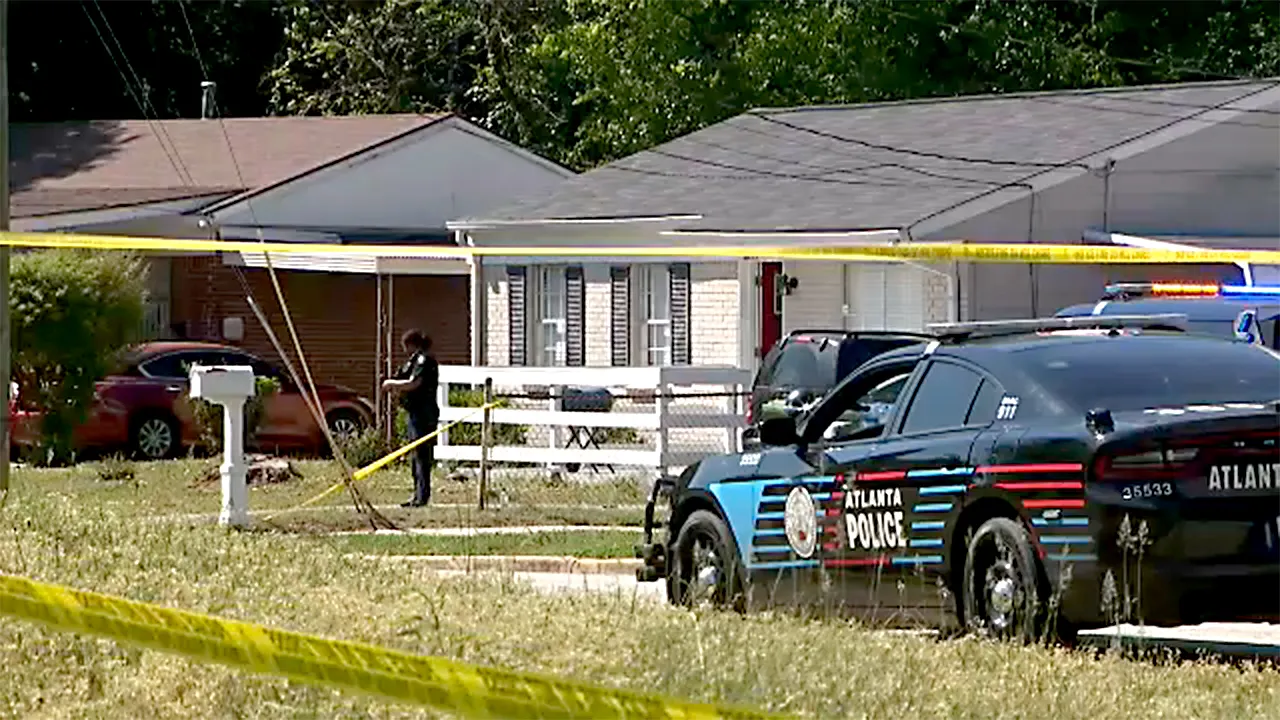
In the heart of southeast Atlanta, where the rhythm of everyday life often blends with echoes of community spirit, a heartbreaking incident shattered the peace one Saturday afternoon. It was around 1:49 p.m. ET when authorities received a frantic call about a shooting inside a residential home. For families in this neighborhood, where kids might gather to play basketball in the street or share stories under the sprawling oak trees, the reality of danger felt worlds away—yet suddenly, it wasn’t. A 12-year-old boy, full of innocence and boundless energy, the kind of kid who probably loved riding bikes or dreaming about his future, was found suffering from a gunshot wound. Despite the heroic efforts of emergency responders rushing him to the hospital, his young life slipped away in critical condition. This wasn’t just a statistic; it was a profound loss that rippled through the community, leaving parents with that gut-wrenching worry—what if it were their child? The streets, usually alive with chatter and laughter, now carried a somber silence, as neighbors wondered how such violence could touch a place that felt safe. Police arrived to a scene that was both chaotic and eerily quiet, piecing together the puzzle of what led to the gunfire. Witnesses described the boys involved—two young souls, both minors navigating the tricky waters of adolescence. The 14-year-old suspect, a teenager himself still figuring out life, was playing with guns in a bedroom with the younger boy. It’s hard not to imagine the impulsive curiosities of youth, where games escalate from innocent fun to unthinkable tragedy in a heartbeat. Guns, often symbols of protection in troubled times, had become deadly tools in untrained hands. Reports suggested this wasn’t an act of malice but perhaps of recklessness, a moment where boundaries blurred and a round went off, changing everything forever. As investigators dug deeper, it became clear that the incident unfolded indoors, away from prying eyes, under a roof meant for shelter and safety. The adults supposed to guide these children—perhaps distracted or unaware—now faced the harsh aftermath. This story, heartbreaking as it is, humanizes the fragility of young lives; one moment, they’re chasing dreams; the next, families are grappling with grief. The residence, a typical home in a working-class area, became the site of indelible pain, reminding us all that no community is immune to the devastating impacts of unchecked access to weapons. As word spread, Atlanta police moved swiftly, reflecting the city’s long-standing struggles with gun violence among its youth. Homicide detectives, driven by a sense of duty to protect, obtained an arrest warrant for the 14-year-old just a day after the shooting. He was taken into custody without resistance, a young boy whose actions now demanded accountability. Transported to the Metro Youth Detention Center, he entered a system that, while designed to rehabilitate rather than punish, couldn’t undo the irreversible. Public safety remained the top priority, especially for juveniles whose impulsiveness can lead to lifelong consequences. Captain Germain Dearlove of the APD spoke with a candid urgency in interviews, his voice crackling with the weight of repeat tragedies. He urged parents and guardians to rethink their homes: lock up weapons securely, far from curious hands. “If they have friends over, don’t let them close that door, check on them, do periodic updates,” he pleaded, his words a heartfelt plea from someone who’s witnessed too many such scenes. It’s a simple, human call to action—embrace vigilance over complacency. In a city where data shows spikes in juvenile-involved shootings, these precautions aren’t just suggestions; they’re lifelines. Imagine a parent, exhausted after a long day, forgetting to check that drawer or trusting too readily. Dearlove’s message resonates because it’s rooted in empathy, acknowledging that no one is perfect. He emphasized collaboration, telling homeowners that police needed their open doors and honest accounts to unveil the full story. The investigation, still unfolding, underscored that preliminary details could evolve, but one truth stood firm: preventable risks had led to preventable loss. This wasn’t about blame but about building safer tomorrows, where teens feel empowered to seek guidance instead of harboring secrets that turn deadly. The neighborhood’s response painted a vivid picture of a close-knit area striving to hold together amid turmoil. Longtime resident Michael Dennis, with a weathered smile and deep ties to the streets, shared his shock and wisdom. “This neighborhood is pretty peaceful most of the time,” he noted, his voice carrying the warmth of familiarity, “but every now and then we may hear something.” Yet, Dennis’s outlook was one of hope and unity: encouraging families to stick together, love one another, hug one another. In times of crisis, his words reminded everyone that community bonds are the strongest defense. Another neighbor, preferring anonymity for safety, recounted troubling premonitions—calls to police about boys engaging in mock shootouts near his home mere days before. “Tuesday, Wednesday, and Thursday, around the same time, kids would come by my house, duck behind the church and just shoot,” he described, his concern laced with fear for his own well-being. These anecdotes humanized the broader issue, showing how unchecked play with firearms could escalate, not just indoors but in public spaces. It’s a chilling reminder of how normalized danger becomes when adults turn a blind eye. In Dennis’s plea for togetherness, there’s a call to address the underlying strains—perhaps economic pressures, family breakdowns, or the toxic influences of media and peer emulation. Atlanta, with its vibrant culture and storied history from the Civil Rights era forward, has long battled these shadows, but incidents like this highlight the urgent need for dialogue across generations. Parents, grandparents, and elders must bridge the gaps, fostering trust so children feel safe confiding about the temptations of guns or violence. The tragedy also evoked empathy for the grieving family, whose world crumbled over a game gone awry. News flashed linking this event to similar woes, like a 12-year-old’s death days after a brutal school bus fight or threats from young students in Florida, underscoring a nationwide epidemic. It’s not isolated; it’s a pattern crying out for change. Communities nationwide face this scourge, where access to firearms—legal for many adults—becomes a perilous inheritance for the young. Humanizing these stories means stepping into the shoes of those affected: the boy who lost his life too soon, the accused teen facing a system’s judgment, parents haunted by “what ifs,” and officers sworn to prevent the next heartbreak. In Atlanta’s tapestry, incidents like these weave threads of caution, urging stricter gun storage laws, community mentorship programs, and open conversations about mental health and peer pressure. By sharing these narratives with compassion, not sensationalism, we honor the victims and propel action. No child should play with loaded dangers, and no neighborhood should bury its innocence prematurely—yet through unity, healing begins.
The quiet streets of southeast Atlanta, where families have long built lives amid the city’s bustling energy, were pierced by an unimaginable horror on a seemingly ordinary Saturday. At approximately 1:49 p.m. ET, dispatchers fielded a call about a shooting in a домашних, a place meant for warmth and refuge. For the community, this was no distant tragedy—it hit home, evoking the raw vulnerability of everyday families. A 12-year-old boy, vibrant with the potential of youth, lay wounded from a gunshot, his dreams cut short as paramedics raced him to the hospital in a desperate bid to save him. Despite tireless efforts, he succumbed, leaving a void that words can scarcely fill. This was more than a news headline; it was a father’s nightmare, a mother’s unending grief, and a sibling’s lost playmate. Neighbors, who once waved hello over fences, now grappled with the reality that safety is transient in a world where impulses collide with access to deadly tools. The incident unfolded indoors, where unsupervised play with guns turned fatal—a stark reminder of how quickly innocence can shatter. The boys involved, both minors, embodied the complexities of adolescence: curiosity mingled with poor judgment in a bedroom shrouded from adult oversight. What began as what they might have seen as harmless fun—perhaps mimicking action movies or playground boasts—erupted into irreversible tragedy. Reports hinted at no premeditated malice, just the reckless misfire of youth, underscoring the need to humanize these figures not as villains, but as children shaped by environments that often lack guardrails. The home, a modest structure like countless others, became a stage for sorrow, turning routine pastoral into a crucible of loss. This story resonates because it echoes universal fears: every parent wonders if their son or daughter could be next in such avoidable perils. In Atlanta’s diverse landscape, where African American histories of resilience intersect with modern struggles, these events highlight broader societal cracks. Gun violence among youths isn’t just statistics; it’s shattered homes, orphaned siblings, and communities forever marked. The 12-year-old’s death serves as a poignant mirror, reflecting how a lack of adult intervention allows dangers to fester. As investigations progressed, the human element swelled—families reliving that day, police officers encountering the frailty of life, and a city questioning its commitments to youth protection. This wasn’t an anomaly; it was a wake-up call to cherish moments and secure tomorrows, urging us all to view such tragedies through lenses of empathy rather than judgment.
Days after the shooting, Atlanta police acted decisively, embodying the city’s unwavering resolve in crises like these. On Sunday, homicide detectives secured an arrest warrant for the 14-year-old suspect, a juvenile whose actions now demanded swift accountability. He was apprehended without incident, a testament to the officers’ calm professionalism, and escorted to the Metro Youth Detention Center. At just 14, he faced a path loaded with consequences, navigating a justice system designed for rehabilitation yet stained by the weight of his deeds. Captain Germain Dearlove, a voice of authority steeped in on-the-ground experience, articulated the department’s priorities in interviews with Fox 5 Atlanta. Public safety for juveniles topped his list, his tone infused with a paternal concern that transcended protocol. He implored parents to take proactive steps: secure weapons rigorously, ensuring they’re inaccessible to children and teens. “If they have friends over, don’t let them close that door, check on them, do periodic updates,” he advised, his words a heartfelt plea from someone who’s seen families fractured. It’s a simple directive born from empathy, acknowledging the busyness and oversight of modern life. Dearlove emphasized partnership with the community, urging open cooperation to unlock the full narrative. As investigations evolved, he cautioned that details were preliminary, potentially shifting with new evidence—but the core message persisted: prevention trumps reaction. This humanizes the police force, not as distant enforcers, but as allies in safeguarding futures. In a city battling juvenile gun deaths, their approach fosters dialogue, encouraging families to confront uncomfortable truths about access and influence. By framing warnings as shared responsibilities, Dearlove bridges divides, inviting reflection on how empathy can curb tragedies. His call resonates deeply, prompting parents to envision scenarios where a locked cabinet might have rewritten destiny, transforming fear into proactive love. The arrest itself, handled with humanity, signals hope for accountability without vengeance, allowing space for growth and understanding in a system often criticized for its confines. Through these stories, Atlanta’s authorities reveal their vulnerability—they’re not immune; they’re invested.
Neighbor reactions breathed life into the tragedy, painting southeast Atlanta as a tapestry of shared humanity rather than isolation. Longtime resident Michael Dennis, a figure of quiet wisdom with deep roots in the area, voiced his shock and optimism. “This neighborhood is pretty peaceful most of the time,” he reflected, his words carrying the cadence of someone who’s witnessed seasons of change. “Every now and then we may hear something.” Yet, Dennis pivoted to a message of resilience, urging families to unite: “I encourage family: Stick together, love one another, hug one another. This is a space in life where everybody needs to just come together.” His plea, heartfelt and community-oriented, humanizes the response, emphasizing healing over division. Not every voice was shared openly; an anonymous neighbor recounted a foreboding pattern that predated the shooting. He detailed sightings of young boys engaging in mock firefights near his home—on a church grounds no less—over several afternoons. “Tuesday, Wednesday, and Thursday, around the same time, kids would come by my house, duck behind the church and just shoot,” he described, his concern rooted in genuine fear for personal safety. This anecdote, laden with unease, underscores the normalization of dangerous play, where fantasies bleed into reality without intervention. It’s a poignant reminder of communal vigilance: neighbors must speak up early, fostering trust to prevent escalation. These perspectives empathize with the witnesses—ordinary people thrust into extraordinary unease, their lives touched by proximity to danger. Dennis’s call for cohesion echoesAtlanta’s spirit of solidarity, from grassroots support groups to church-led initiatives combating gun violence. In human terms, it’s a father’s worry mirroring every household’s dread, a mother’s nurturing instinct urging greater bonds. Such voices amplify the incident’s impact, transforming cold facts into emotional appeals for togetherness. By sharing candidly, residents model accountability, bridging generations to nurture safe spaces for youth. This communal empathy proves vital: no one grieves alone, and hope blooms from collective remembrance. Ultimately, these narratives honor the 12-year-old’s memory, channeling sorrow into sustained efforts for change.
The incident in Atlanta echoes a troubling national trend, as headlines from neighboring states spotlight similar juvenile perils. Just as news emerged of this tragedy, reports surfaced of a Florida pair—a 10-year-old and an 11-year-old—facing arrest over alleged deadly threats, prompting reflections on discipline and oversight. Nearby, a 12-year-old succumbed days after a violent school bus altercation caught on video, a suburb echo of unchecked aggression. These threads intertwine, humanizing a continuum of lost youth in areas wrestling with socioeconomic strains and cultural influences. Atlanta’s somber event, where boys handled real guns amid play, mirrors broader failures in education and mentorship. It’s not merely about access; it’s about the voids where guidance falters, leaving impressionable minds vulnerable to glorified violence in media or peer circles. A historical lens reveals Atlanta’s legacy— from Civil Rights struggles to modern urban challenges—where gun habits persist from self-defense narratives to preventable tragedies. Families, especially in underserved communities, bear disproportionate burdens, their homes becoming battlegrounds when safety nets fray. Empathizing with these victims means recognizing systemic gaps: inadequate counseling, rushed parental schedules, and toxic emulations. The 12-year-old’s death, tied to what police suspect was reckless handling, begs introspection—could more adult presence or societal dialogues avert such fates? Voices like those from WSB-TV highlight investigative persistence, yet humanize the process: detectives questioning juveniles with care, unpacking emotions behind actions. This tragedy compels broader action, advocating community programs teaching responsible behavior and mental health resources for at-risk youth. By framing these events relationally, we foster national dialogue, urging policymakers to prioritize youth safety. No child should navigate playgrounds as war zones; through empathy, we envision tomorrows where play remains innocent play.
As Atlanta mourns and reflects, the path forward demands collective heart and action, transforming grief into guardianship. The investigation remains active, with police urging patience amid evolving details, but the human toll endures for the 12-year-old’s family—their unfillable void a call to awaken. Communities must rise, locking away weapons with vigilance while nurturing open homes where children thrive under watchful eyes. Neighbors like Michael Dennis embody hope, their pleas for unity a blueprint for healing. This isn’t fleeting sorrow; it’s a catalyst for systemic reform, from stricter gun laws to grassroots mentorship. By humanizing pain into purpose, we honor the lost boy: a cherishable life urging safeguards for all. In southeast Atlanta’s embrace, let empathy guide—stick together, love profoundly, and build futures free from such shadows. Let’s not wait for the next echo; let’s act now, ensuring every child’s laughter rings true. Kirkuk.