





Chef Charged After Shooting Two Teens Suspected of Package Theft: A Tale of Impulse and Consequences
In a troubling incident that highlights tensions around property crime and gun violence, an Atlanta chef faces serious charges after allegedly shooting two teenagers suspected of attempting to steal packages from his front porch. This story, which unfolded in broad daylight in Atlanta’s Mays neighborhood, raises profound questions about proportional response, community safety, and the increasingly concerning intersection of property crime and violent reactions.
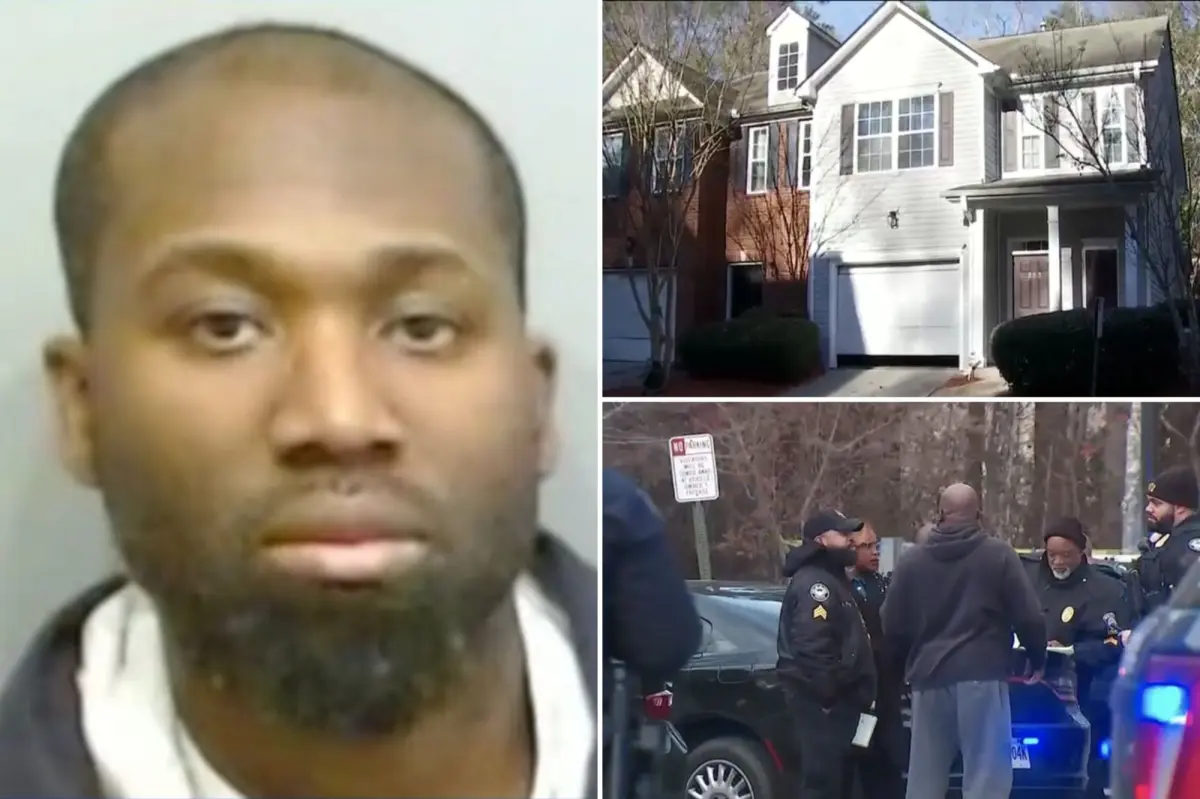
Rakim Bradford, an IHOP head chef according to his LinkedIn profile, was at his townhouse on Celeste Lane SW when he noticed two teenagers—ages 15 and 16—approaching his front porch around 3:40 p.m. on Thursday. According to police reports and Bradford’s arrest warrant, the teens had allegedly spotted a delivery van in the Villages of Cascade complex and followed it, planning to steal packages after they were dropped off. Before they could complete the alleged theft, Bradford confronted them and, in a moment that would change multiple lives, discharged his firearm. The 15-year-old sustained a gunshot wound to the right foot, while the 16-year-old was more seriously injured with a gunshot to the right arm that left him in critical condition requiring surgery. Though expected to survive, the teenager’s life has been irrevocably altered by this encounter over what amounted to packages left on a doorstep.
Atlanta Police Chief Darin Schierbaum acknowledged the context of the incident while emphasizing the gravity of Bradford’s response: “We believe a property crime was occurring, that some packages were being taken off a front porch, which is common this time of year. The homeowner did discharge his weapon to stop that theft of packages.” The police department’s stance was unequivocal, with Schierbaum stating, “The Atlanta Police Department takes gun violence very seriously. Anytime a child is injured in our city, we really take that really seriously.” Following the shooting, Bradford was detained and questioned, ultimately leading to his being charged with two counts of aggravated assault and possession of a firearm during the commission of a felony—serious charges that reflect the law’s view that shooting someone over package theft represents a disproportionate use of force.
The case touches on the complex emotions surrounding home security and property rights that many Americans grapple with. With the rise of online shopping, package theft—often referred to as “porch piracy”—has become increasingly common, especially during holiday seasons when deliveries surge. This reality has created anxiety for many homeowners, who feel violated when their property is taken from what should be a secure space. However, the legal system generally draws a clear distinction between defending one’s life and defending one’s property, with most jurisdictions not permitting deadly force merely to protect possessions. Bradford’s case illustrates the serious legal consequences that can follow when this distinction is ignored, regardless of the frustration that property crime can cause.
The community’s reaction has been mixed, reflecting broader societal debates about self-defense and appropriate responses to crime. Neighbor Andrew Julian captured this ambivalence when speaking to local media: “Don’t go and steal people’s packages. On the other side of that, what right do you have to defend your own home, and then what decision do you make to defend your own home based on somebody taking an item off of your porch? So, it’s certainly a conversation to be had.” This balanced perspective acknowledges both the wrongness of theft and the questionable decision to respond with potentially lethal force. Notably, while Bradford faces serious charges, police have not announced any charges against the two teenagers, suggesting their assessment that the chef’s response exceeded what the law considers reasonable defense of property.
This incident serves as a sobering reminder of how quickly momentary decisions can have life-altering consequences for all involved. Bradford, previously known simply as a local chef, now faces serious felony charges that could result in significant prison time and forever change his life trajectory. The teenagers, who may have been engaging in impulsive behavior typical of adolescence, have experienced physical trauma that could have lasting effects—particularly for the 16-year-old who required surgery. Beyond the individuals directly involved, the incident reverberates through the community, potentially increasing tensions and fear on both sides of the property crime equation. As Atlanta and communities across America continue to navigate issues of crime, security, and appropriate responses, this case stands as a stark reminder that split-second decisions made in moments of anger or fear can lead to consequences far more serious than the loss of a package—consequences that ultimately serve neither justice nor community safety.