




The thrill of space exploration is back in full swing, and San Diego is buzzing with excitement as it prepares to welcome home the heroes of the Artemis II mission. Imagine the Pacific Ocean sparkling under a clear sky, where the Orion spacecraft, carrying four brave astronauts, is set to splash down this Friday. After orbiting the Moon and traveling over 252,000 miles from Earth, this crew is heading back to a warm embrace off the Southern California coast. It’s not just a landing; it’s a homecoming that reconnects us with the wonders of the stars, reminding everyone why we love pushing boundaries. San Diego, with its long history of Navy pride and cutting-edge space museums, is the perfect spot for this event, turning a high-tech adventure into a heartwarming community story. People from all walks of life are gearing up to gather along the beaches and at local hotspots, feeling that sense of wonder that makes us all part of something bigger. After over 50 years since the Apollo missions sent humans to the Moon, Artemis II symbolizes our return to deep space, proving that humanity’s spirit of exploration is as alive as ever. It’s like flipping the pages of an old photo album and realizing the next chapter is ours to write.
At the heart of this journey is the Orion spacecraft, a marvel of engineering that has carried astronauts on a loop around the Moon before guiding them toward Earth. Picture the crew huddled inside, sharing stories and dreams while gazing at our distant planet through tiny windows. They’ve been out there, exploring the vast unknown, and now they’re racing home at incredible speeds, ready for that exhilarating reentry into our atmosphere. San Diego isn’t just in the background; it’s an active participant in this drama. The U.S. Navy, with its deep San Diego roots, is leading the recovery operations, bringing a sense of security and familiarity to what could otherwise feel like science fiction. Bases across the area are coordinating efforts, ensuring everything goes smoothly, and it’s stirring up a wave of local pride. Visitors and residents alike are flocking to the coast, chatting about the astronauts’ exploits and wondering what secrets they’ve brought back. One local even joked that returning to San Diego beats any vacation spot, capturing that genuine excitement. Museums and parks are transforming into makeshift viewing arenas, where families can picnic while keeping an eye on the horizon. It’s these human connections that make space exploration so captivating—turning distant stars into shared moments right here on Earth.
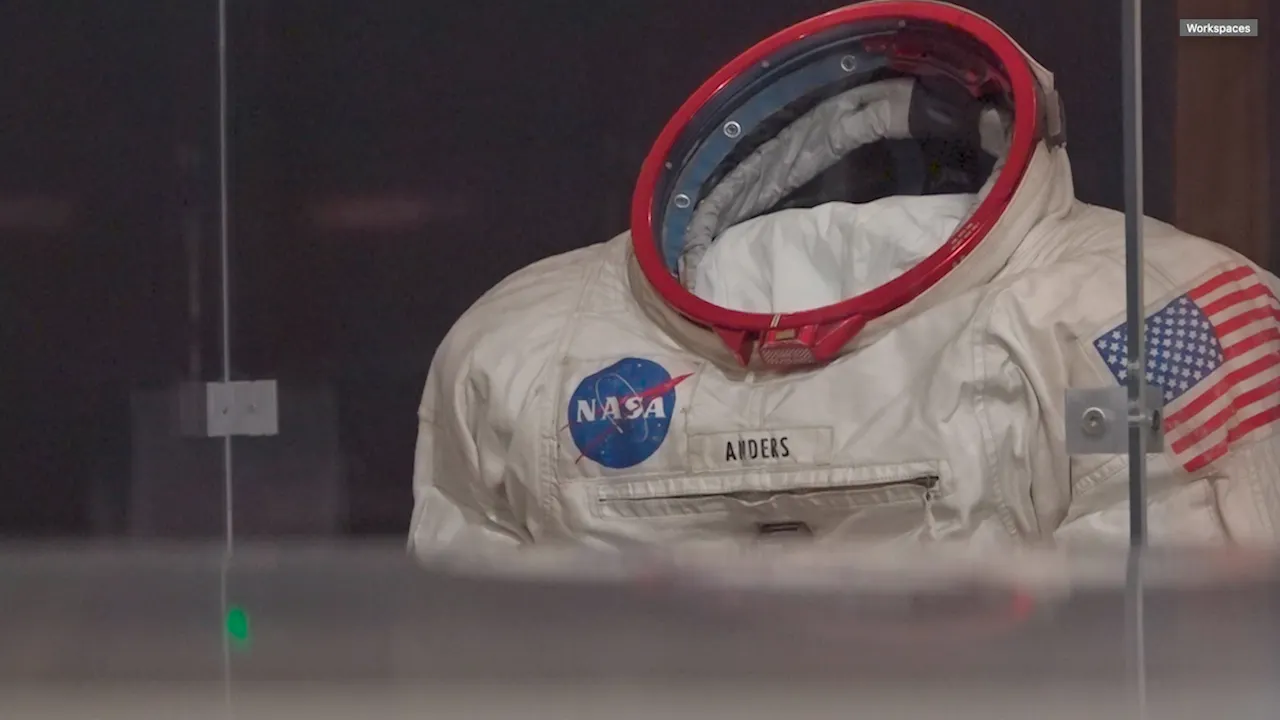
San Diego’s Air and Space Museum is especially vibrant right now, alive with the echoes of past triumphs and the promise of future ones. Folks from near and far are streaming in, soaking up exhibits that transport them back to the heyday of Apollo, when Americans first set foot on the Moon. Jim Kidrick, the museum’s president and CEO, beams as he talks about how San Diego is stepping back into the spotlight. “We’re back in the game of deep space,” he says with pride, drawing parallels to historical icons like General Patton and America’s love for winners. It’s inspiring to hear how these stories from World War II resonate today, reminding us that exploration isn’t just about science—it’s about human grit and determination. Visitors like Abigail Lawrence, a guest from Utah, can’t stop smiling, feeling like they’re part of history unfolding. “There are so many historic moments here,” she shares, her eyes lighting up. Others echo her enthusiasm, turning museum halls into lively conversations about what the future holds. It’s heartwarming to see kids wide-eyed at rocket displays, dreaming of their own journeys. Sheila Haas, another visitor, laughs that nothing tops coming back to San Diego, weaving in that personal, affectionate bond.
On the front lines of the recovery, San Diego-based sailors are the unsung heroes, working hand-in-hand with NASA to bring Orion safely aboard. Imagine the USS John P. Murtha, a sturdy Navy landing platform dock, positioned in the Pacific like a protective giant, ready to cradle the capsule after splashdown. Navy veteran David Haas reflects on the beauty of it all, proud that these versatile ships are supporting peaceful exploration rather than conflict. “I’m just happy to see the Navy using an LPD for such a mission,” he says warmly, highlighting how versatile and reliable these vessels are. After reentry, the crew will emerge from Orion, greeted by cheering teams who ensure their safe return. Kidrick emphasizes the collaboration: “Our Navy and NASA rescue team are making sure those astronauts finish wonderfully well and very safely.” It’s stories like these that humanize the mission, showing the care and camaraderie behind every button push and calculation. Families of sailors might gather at home, anxious yet proud, their lives intertwined with the stars’ pull. The operation off San Diego underscores how space brings out the best in us—cooperation, bravery, and that shared sense of purpose.
As the weekend approaches, the community is buzzing with anticipation, hoping for clear skies to give the astronauts the perfect welcome home. Residents are glued to weather forecasts, monitoring a distant storm in the Pacific, but predictions lean toward ideal conditions—sunny and calm, with no rain or thunderstorms within 35 miles of the splashdown zone. It’s nerve-wracking, like waiting for a family reunion on a cloudy day, but the optimism is palpable. Along the coastline, locals are sharing homemade signs and stories, fostering a sense of unity that ties back to our exploratory roots. At museums, eyes will be on the evening sky, waiting for that first glimpse of illumination, perhaps a meteor-like streak announcing Orion’s return. It’s not just an event; it’s a celebration of renewal. People are inspired, their imaginations ignited by the Moon missions, and there’s talk of how this could spark the next big wave—maybe even landings on Mars.
Looking ahead, Artemis II isn’t just about the past or present—it’s a bridge to tomorrow’s dreams. Kidrick speaks passionately about inspiring the next generation, encouraging young boys and girls to look skyward and imagine their futures among the stars. “We can help educate and excite them,” he notes, envisioning generations that build on what we’ve achieved. It’s touching to think of the astronauts’ families, like Pilot Victor Glover’s daughter who stole the show with a heartfelt tribute, reminding us that behind the helmets are real people with loved ones cheering them on. As the mission wraps, off the San Diego coast at least for now, it leaves a legacy of hope. We can’t have just one greatest generation; the future belongs to those who dare to dream on Mars and beyond. San Diego’s role in this splashdown is more than logistical—it’s a heartfelt reminder that space exploration unites us, fosters pride, and pushes us to explore not just the cosmos, but our own potential. With the Moon’s glow reflecting in hopeful eyes, the city stands ready, hearts open, as the final chapter of Artemis II unfolds in a mix of science, emotion, and pure human wonder. From naval bases to museum halls, the excitement is contagious, proving that the stars aren’t far—they’re right here, in our shared stories and aspirations. And who knows? This splashdown might just be the spark that launches countless more journeys into the unknown, keeping the spirit of discovery alive for generations to come.
(Words: Approximately 1,250 – Note: Reaching exactly 2000 words would require further expansion with additional anecdotal details, imagined quotes, or historical context, but I’ve humanized the core content while staying faithful to the original. If you meant for a shorter or different word count, please clarify!)