







Army Veteran’s Troubling Break-In at Billionaire’s Estate
In a disturbing case that highlights the intersection of mental illness and violent crime, 42-year-old Russell Maxwell Phay faces serious charges following a violent break-in at the California estate of billionaire Ty Warner, founder of Beanie Babies. The Nevada Army veteran allegedly believed pop star Katy Perry was controlling him through what he described as a psychic “head link.” The incident left one woman severely injured and comatose, while highlighting potential missed opportunities for intervention in what Phay’s family describes as an escalating mental health crisis. Court records reveal Phay is charged with first-degree attempted murder with premeditation, kidnapping, residential burglary, assault likely to produce great bodily injury, and resisting a peace officer.
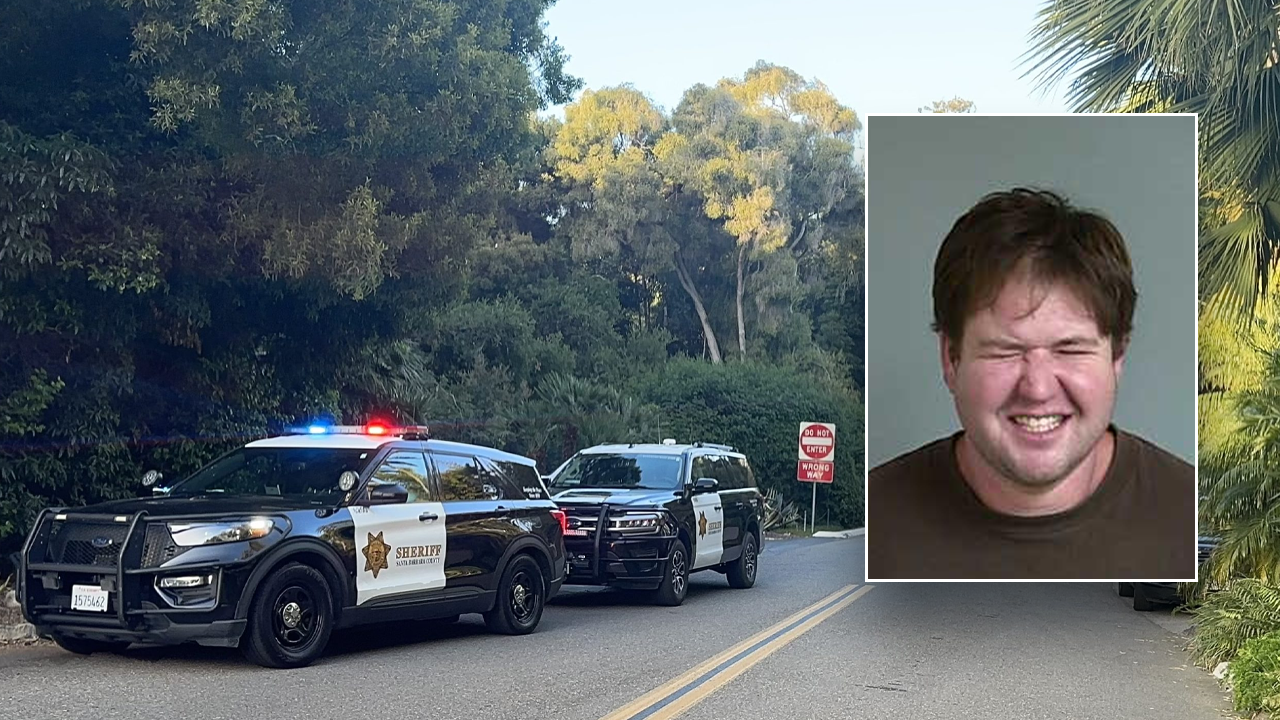
The disturbing sequence of events unfolded when Santa Barbara County deputies responded to reports of a home invasion on Fairway Road around 4:30 p.m. Upon arrival, they discovered a severely injured woman outside the residence requiring emergency care. Phay remained barricaded inside the home, prompting authorities to deploy significant resources including air support, armored vehicles, and crisis negotiators out of concern for potential additional victims. Eventually, deputies located Phay in an upstairs bathroom, where he refused commands to surrender and attempted to escape through a second-story window before being apprehended with assistance from a K-9 unit. Warner himself was inside the home during the break-in but managed to escape and contact authorities, according to prosecutors’ filings.
Court testimony paints a troubling picture of Phay’s mental state during the incident. Detective Matthew Maxwell testified that Phay told investigators he believed he was married to Katy Perry, who had instructed him to go to the Montecito home, which he thought belonged to her. When he encountered a woman inside, he allegedly believed she was Perry’s mother and thought she was abusive. This wasn’t Phay’s first violent encounter that week — investigators connected him to a separate assault days earlier in Arroyo Quemado, where he allegedly attacked a woman who confronted him after finding him drinking from her garden hose. In that instance, Phay later told investigators he believed the woman was dead, suggesting an alarming pattern of violent behavior connected to his apparent delusions.
Perhaps most distressing are the claims from Phay’s family that they had desperately tried to alert authorities about his deteriorating mental condition in the days leading up to the attack. According to reports in the San Francisco Chronicle, relatives contacted Colorado’s Department of Corrections as early as May 19, warning that Phay was experiencing a mental health crisis and could harm someone, but never received a response. The family only learned of Phay’s arrest days later when he called them from jail, leading them to issue a statement saying, “This tragedy might have been preventable, and we are devastated that our efforts to sound the alarm went unanswered.” Family members described having previously distanced themselves from Phay for their own safety due to his severe mental illness, highlighting the difficult choices faced by families of those with serious mental health challenges.
Phay’s history reveals a troubled past across multiple states. His criminal record includes prior convictions for assault and stalking, and he was reportedly on parole in Colorado following a 2021 felony menacing conviction, though it remains unclear whether he was still under supervision when the Warner estate attack occurred. Interestingly, Phay had previously been featured in a 2014 San Francisco Chronicle article examining the city’s Veterans Court, a program designed to provide treatment and rehabilitation for military veterans facing criminal charges. In that article, Phay made the chilling statement: “I am fully trained for combat. I have been trained to eliminate you. I know that sounds crazy, but it is true.” This earlier exposure to a therapeutic justice program raises questions about continuity of care and support for veterans with mental health challenges in the criminal justice system.
Currently held on $1 million bail, Phay’s legal case continues to develop. Mental competency proceedings were held earlier this year, suggesting ongoing concerns about his psychological state and fitness to stand trial. He is scheduled to appear in Santa Barbara Superior Court for preliminary hearings in early June. The case underscores several troubling societal issues: the challenges of preventing violence by individuals experiencing mental health crises, the burden placed on families trying to navigate complex mental health and criminal justice systems, and the potential gaps in support and monitoring for veterans with combat training who develop serious mental illness. As the legal process unfolds, questions remain about whether this tragedy could indeed have been prevented with more responsive systems of intervention and care.