





Immigration Crackdown: Inside Arkansas’ Controversial ICE Hub
In the heart of northwest Arkansas, a county jail has quietly transformed into one of America’s most active Immigration and Customs Enforcement (ICE) processing centers. The Benton County Jail, located in a region with just over 300,000 residents, has detained more than 450 people on immigration charges between January and mid-October this year—averaging about 1.5 arrests every day. This dramatic surge in detentions represents more than 4% of all nationwide arrests tied to similar local-federal partnerships, making this rural Arkansas county an unexpected epicenter in America’s immigration enforcement landscape. The numbers reflect a growing national trend where local law enforcement agencies increasingly collaborate with federal immigration authorities, raising both support for enhanced public safety measures and concerns about community impacts.
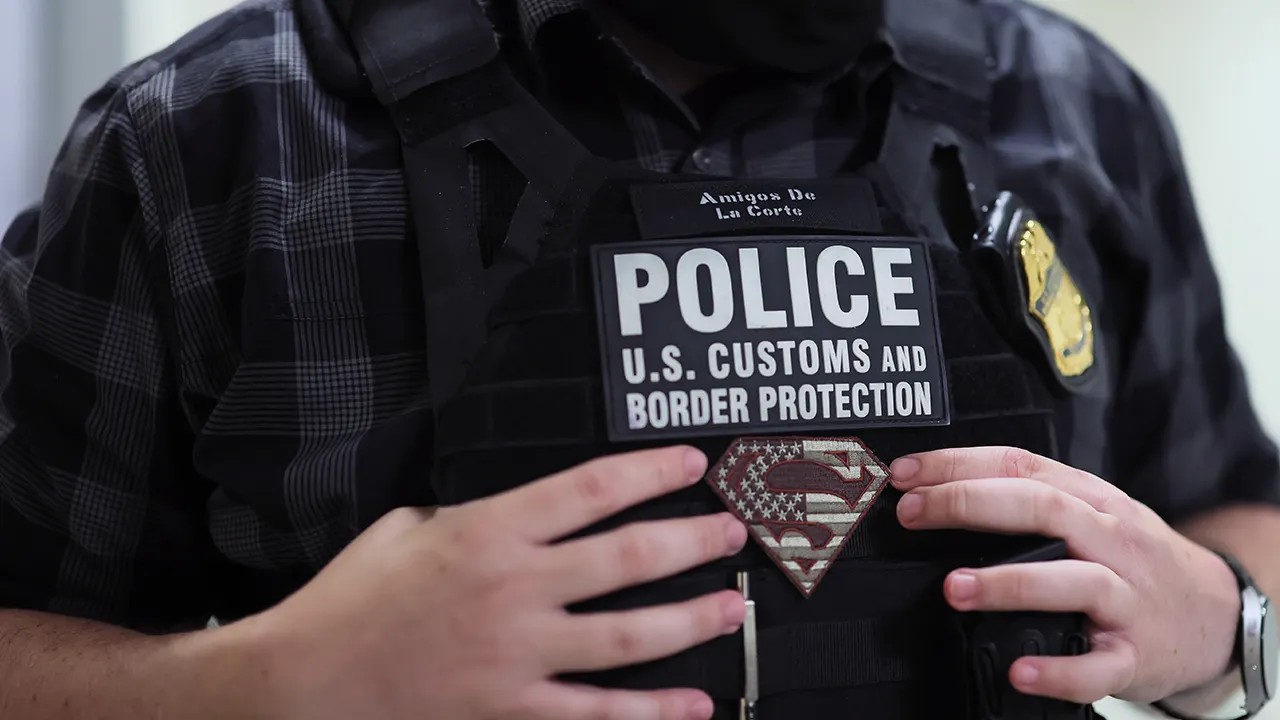
The driving force behind this transformation is a federal initiative known as the 287(g) program, which deputizes local law enforcement officers to perform certain immigration enforcement functions. In practice, this means Benton County deputies can question individuals booked into jail about their immigration status, regardless of the severity of their original offense. When someone is flagged as potentially being in the country illegally, deputies alert ICE, triggering a process that often ends with detention and possible deportation. The journey typically begins with transfer to ICE custody, followed by temporary housing at the county jail before movement to a Louisiana detention center, where deportation proceedings may follow. This pipeline has processed hundreds of individuals in 2023 alone, with records showing arrests for offenses ranging from serious felonies to minor infractions like traffic violations.
Arkansas’ aggressive approach to immigration enforcement received additional backing in August when the state implemented the “Defense Against Criminal Illegals Act.” This legislation, championed by Governor Sarah Huckabee Sanders, increased penalties for undocumented immigrants convicted of violent crimes and explicitly authorized Arkansas sheriffs to cooperate with ICE. The law represents part of a nationwide expansion of such agreements, with the Department of Homeland Security reporting in September that 287(g) program agreements have exploded from 135 to over 1,000—a staggering 641% increase. This dramatic expansion reflects how immigration enforcement has increasingly devolved from a purely federal responsibility to one shared with local agencies, particularly in politically conservative regions where immigration remains a contentious issue.
Proponents of the Benton County program point to public safety benefits, noting that approximately half of those arrested through the initiative had prior criminal convictions. Records reviewed by the Associated Press show recent ICE holds included individuals charged with serious offenses like sexual assault, drug trafficking, and forgery. However, many detainees faced less severe allegations related to domestic disputes, traffic incidents, or public intoxication—raising questions about proportionality and community impact. The program’s defenders argue it helps remove dangerous individuals from communities while enforcing immigration laws that might otherwise go unenforced due to limited federal resources, particularly in interior states far from the southern border.
Critics, however, see a more troubling picture emerging from Benton County’s aggressive enforcement approach. They point to cases like that of Cristina Osornio, a legal permanent U.S. resident and mother of six, who was jailed following a traffic stop months after her husband was deported to Mexico. Such incidents highlight how even lawful residents can become entangled in the expanding immigration enforcement apparatus. Community advocates worry the program creates a chilling effect, discouraging immigrant populations—both documented and undocumented—from interacting with local authorities, reporting crimes, or seeking emergency services for fear of immigration consequences. In a county with a higher-than-average immigrant population for Arkansas, these concerns take on particular significance as families and communities navigate the uncertainty created by intensified enforcement.
The situation in Benton County represents a microcosm of America’s larger, often contentious immigration debate. On one side stand those who view programs like 287(g) as necessary tools for enforcing existing laws and protecting communities from individuals who shouldn’t be in the country. On the other are those who worry about the humanitarian consequences, family separations, and potential for civil rights violations. As the federal government continues expanding these partnerships—with more than 1,000 agreements now in place nationwide—communities across America may increasingly face the same questions confronting Benton County: What price are we willing to pay for increased immigration enforcement, and who ultimately bears that cost? The answers will likely shape not just immigration policy, but the character and composition of American communities for generations to come.