



Anti-Semitic Vandalism at Historic Library Showcasing Jewish Exhibit
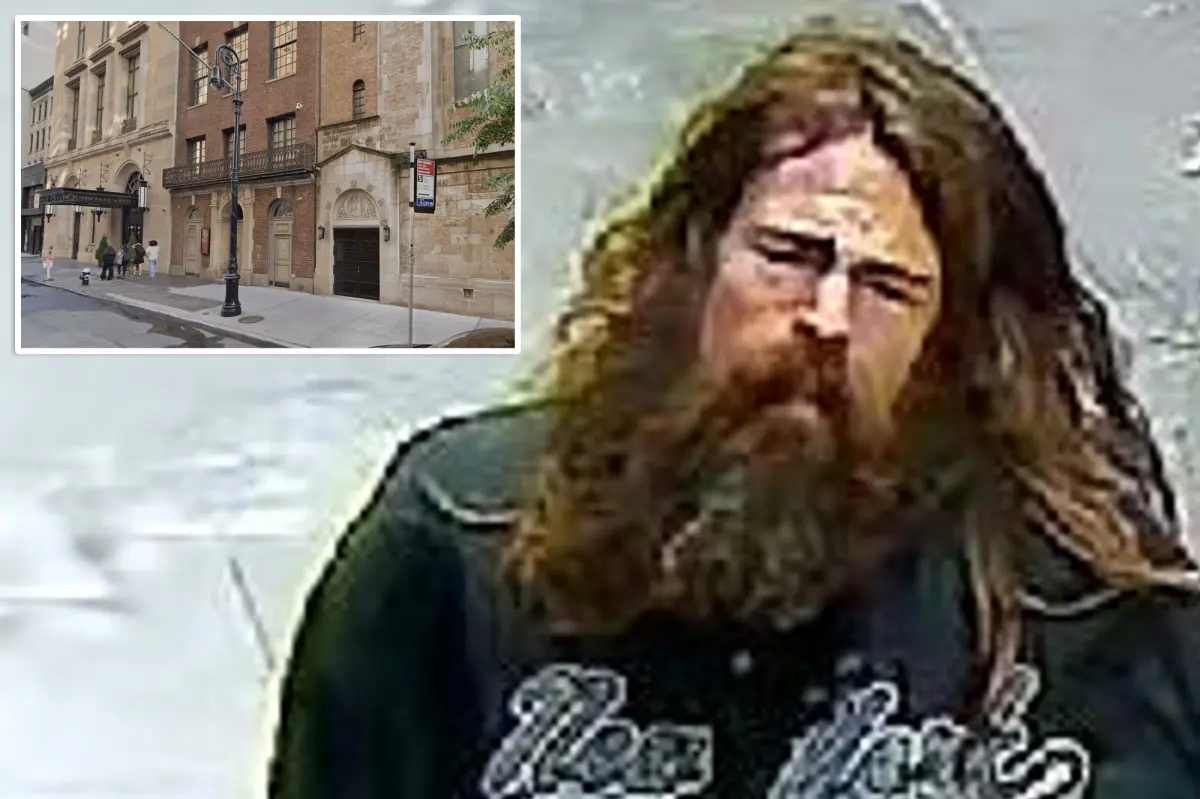
In a troubling incident on the Upper East Side of New York City, a 142-year-old cultural institution became the target of a hateful act on December 27, 2023. The Grolier Club, a venerable private museum, library, and social club founded in 1884, experienced an act of anti-Semitic vandalism when a man carved the threatening words “Die Thieves” into the establishment’s front door. The timing of this disturbing act coincided with the venue’s hosting of “Jewish Worlds Illuminated,” an exhibition dedicated exclusively to Jewish books and featuring precious Hebrew manuscripts from the Library of The Jewish Theological Seminary. This incident represents not just property damage but an attack on cultural heritage and religious expression in one of America’s most diverse cities.
The confrontation between the vandal and a young employee escalated the situation from property damage to personal threat. When the 24-year-old staff member approached the bearded, long-haired suspect upon discovering him defacing the door around 12:15 p.m., the situation quickly turned dangerous. The perpetrator brandished the carving tool he had been using and reportedly made anti-Jewish remarks toward the employee, creating a moment of genuine fear and intimidation. This direct confrontation highlights how quickly hate speech can transform into threatening behavior, putting innocent people at risk simply for protecting a space dedicated to learning and cultural exchange. Fortunately, the vandal fled the scene heading eastward on 60th Street near Park Avenue, and no physical injuries were reported, though the psychological impact of such an encounter cannot be underestimated.
This incident represents more than an isolated act of vandalism—it exists within a broader context of rising anti-Semitic incidents across New York City and the United States. That such an act would target The Grolier Club specifically during an exhibition celebrating Jewish literary and intellectual contributions is particularly troubling. The venue’s decision to host “Jewish Worlds Illuminated” represented a celebration of cultural heritage and scholarly achievement, providing the public an opportunity to engage with rare Hebrew manuscripts and better understand Jewish literary tradition. The attack transformed what should have been a space for appreciation and learning into one tainted by hatred and fear, demonstrating how vulnerable cultural institutions can be to those motivated by prejudice and intolerance.
Law enforcement has responded with appropriate seriousness, with the NYPD’s specialized Hate Crime Task Force taking the lead in the investigation. Police have released a description of the suspect as a man with a light complexion who was wearing a blue jacket, burgundy pants, and black shoes at the time of the incident. The involvement of the Hate Crime Task Force reflects the understanding that such acts are not merely vandalism but targeted attacks meant to intimidate and frighten specific communities. The investigation represents an important response not just to solve this particular crime but to send a message that hate-motivated vandalism against cultural institutions will be pursued with the full resources of law enforcement, particularly in a city that prides itself on cultural diversity and inclusion.
The Grolier Club itself stands as an important symbol in this incident. As one of America’s oldest and most prestigious bibliophilic societies, it has spent nearly one and a half centuries celebrating the art and history of the book. Founded in 1884, the club has served as both a social organization for book lovers and collectors and as a museum and library preserving literary heritage. That such an institution would become the target of hatred while specifically showcasing Jewish contributions to literary history creates a particularly painful juxtaposition. The club’s decision to host the Jewish manuscript exhibition demonstrated its commitment to showcasing diverse literary traditions, making the attack not just on Jewish culture but on the very idea of intellectual and cultural exchange that the institution represents.
The community response to this incident will prove crucial in determining its lasting impact. Authorities have issued a call for public assistance, providing multiple channels through which citizens can report information about the suspect, including the NYPD’s Crime Stoppers Hotline and online options in both English and Spanish. This reflects the understanding that solving hate crimes often requires community vigilance and cooperation. Beyond the immediate investigation, however, lies the deeper question of how cultural institutions can remain open and welcoming while protecting themselves and their patrons from similar incidents. The balance between security and accessibility represents an ongoing challenge for museums, libraries, and cultural centers, particularly those showcasing content related to minority groups that have historically been targets of discrimination. As The Grolier Club moves forward from this incident, its experience will likely inform how other institutions approach this delicate balance between celebration of cultural heritage and protection from those who would target such expressions with hatred.