






The Stirring Controversy Over Automatic Draft Registration
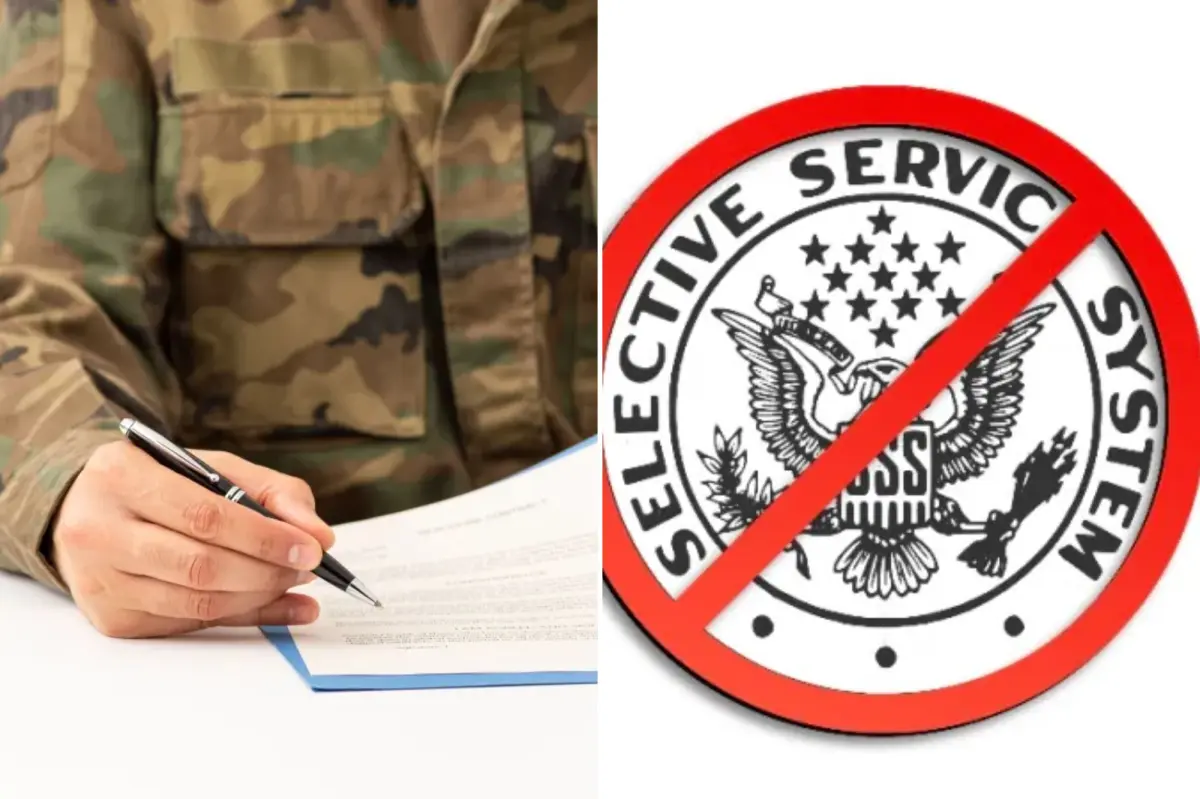
Imagine waking up one day to find out that the government is automatically signing you up for something as life-altering as military service without your say-so. That’s the reality the Trump administration is pushing with its plan to implement automatic registration for the military draft, and it’s got a lot of people fired up. A diverse coalition of anti-war groups, religious organizations, feminists, and civil liberties advocates is fighting back hard, arguing that this move doesn’t just threaten personal privacy but could actually ramp up the risk of unnecessary conflicts. It’s like pouring gasoline on a fire that we’re trying to put out—the idea that readying troops through sneaky data grabs might make wars seem easier to start. I’ve always thought of the draft as this outdated relic from history books, but here we are, in 2024, debating it again. These opponents say this initiative violates basic rights, turning the Selective Service System (SSS) into a tool that could pry into citizens’ lives in ways that feel invasive and undemocratic. Picture a young man going about his daily life, maybe working a dead-end job or studying for exams, only to get a knock on the door because some algorithm deemed him eligible. It’s not just about fairness; it’s about whether we want a system that treats people like cogs in a war machine instead of individuals with choices. The groups involved aren’t fringe—they’re a broad spectrum representing millions of Americans who value peace over perpetual preparedness. And honestly, in a world where technology blurs the lines between public and private, this feels like another step toward a surveillance state. As one organizer put it, it’s fascinating how even Congress, which green-lighted this last year, has seen bipartisan resistance bubbling up. Yet, the administration ploughs ahead, viewing it as a smart, efficient way to bolster national defense. But is it really efficient, or is it just another way to normalize the idea of forcing people into combat without debate? These questions linger, making the pushback not just a protest but a wake-up call for anyone who cares about how their government handles power.
Redefining Enrollment: From Voluntary to Mandatory
Diving deeper into the mechanics, the Selective Service System is gearing up to register “every male citizen of the United States” aged 18 to 25 automatically starting this December. Gone are the days of waiting for people to show up at a post office or log onto a website themselves; instead, the government will tap into existing databases to build this list proactively. It’s a shift that proponents claim will ensure a more complete pool of potential draftees, especially in a world where wars like the one in Iran remind us that conflicts can erupt suddenly. Congress gave the nod last year, approving the mandate amid concerns over readiness, but that’s where the friction starts. I’ve often wondered why we’d assume everyone wants—or needs—to be ready for conscription in an era of volunteer armies and high-tech drones. The vision here is one of bureaucratic efficiency: instead of relying on self-interest, let the system do the heavy lifting by cross-referencing records from agencies like the DMV or IRS. But efficiency comes at a cost, right? For many, this feels like a paternalistic overreach, stripping away the autonomy of young adults who might otherwise choose peace over patriotism. Think about it—age 18 is when most people are figuring out college, careers, or just surviving rent payments, not contemplating military obligations. And while it’s framed as preparing for “worst-case scenarios,” critics argue it normalizes the draft as an everyday option, reducing the moral weight of waging war. Plus, with registration rates for 18-year-olds hovering at just 42% last year—a slight uptick from before—that statistic screams volumes about public sentiment. If people aren’t volunteering their info now, forcing it could lead to resentment or even noncompliance on a massive scale. It’s like telling a reluctant dancer they have to join the ball no matter what; sure, the orchestra plays on, but the harmony’s lost. This automatic approach isn’t without precedent, but in today’s hypersensitive climate on civil liberties, it’s sparking debates that echo Vietnam-era protests. Ultimately, it’s a reminder that tools meant to protect can sometimes just as easily control.
The Rainbow Coalition Against the Draft
What strikes me most about this opposition is the eclectic mix of voices rallying against it—over 40 organizations from anti-war activists to religious folk and feminists have banded together, demanding Congress halt the initiative and repeal the draft altogether. It’s not some monolithic bloc; it’s a tapestry of ideals stitched by shared fears of escalation and injustice. Groups like CODEPINK, known for their bold anti-war stunts, alongside faith-based Quaker and Mennonite communities, plus think tanks like the Ron Paul Institute, show how this issue transcends politics. As Edward Hasbrouck, a key organizer, told The Post, the diversity here is a strength: “You see the diversity of groups that are involved here,” he said, highlighting how everyone from pacifist Christians to modern feminists sees the draft as incompatible with their values. I’ve chatted with folks in similar movements, and it’s always inspiring to see unlikely allies unite—imagine a Mennonite grandmother sharing space with a young anti-war protester at a rally; it humanizes the fight. Hasbrouck points out that even in Congress, where support for the draft has been bipartisan, so too has the pushback, with lawmakers questioning the ethics of reviving such a system. It’s bipartisan indeed, cutting across party lines in a way that’s rare these days. They argue that reviving full-scale conscription isn’t just about manpower; it’s a signal to warmongers that endless wars are feasible without reckoning with public will. Personally, I see echoes of my own family’s history here—grandpa avoided the draft through lucky timing, but he always spoke of it with dread. This coalition isn’t anti-military; it’s anti-forced service in unnecessary conflicts. And in a country where trust in institutions is eroding, demands like theirs feel like a plea for accountability. Why gamble with young lives when volunteers and technology suffice? These groups aren’t asking for much—just a conversation, really, about whether America should cling to Cold War-era habits or evolve.
A Veteran Activist’s Harsh Critique
Edward Hasbrouck isn’t just any organizer; he’s a battle-tested figure in this saga, having been prosecuted back in the 1980s for defying draft registration during the Reagan era. Under the late Robert Mueller’s watch, he served six months in prison for his stand, a chapter that shapes his fiery passion today. “I think it’s interesting… the opposition has also been bipartisan,” he noted to The Post, underscoring how resistance cuts through ideology. For him, automatic registration isn’t accuracy—it’s “weaponization,” a loaded term that conjures images of turning personal data into ammunition. In an intimate conversation I can imagine with him—sipping coffee in a cluttered office—he’d explain how granting SSS access to any federal database for identifying draftees is unprecedented, like handing keys to a house without locks. It’s not just about lists; it’s about creating a dossier society where agencies share info freely, potentially exposing vulnerabilities. Hasbrouck argues this won’t yield a reliable pool of soldiers—it’ll袋 just arm partisan interests or overzealous planners with tools to target dissenters. Imagine the pressure on a 25-year-old who skips town to avoid notice; the system could hunt him down like a fugitive. Though the U.S. hasn’t drafted since Vietnam, the Iran conflict looms large, fueling fears of reinstating it. Low participation rates tell a story, too: only 42% of 18-year-olds registered last year, hinting at apathy or active resistance. In Hasbrouck’s view, this charade props up unlimited wars, letting planners ignore whether folks will fight willingly. It’s a cycle I’ve seen play out—governments plan for the worst, but end up enabling it. His prison time didn’t break him; it forged his resolve, making his warnings resonate. Whether you agree or not,Hasbrouck’s story humanizes the abstract horror of conscription, reminding us that behind policies are people who’ve suffered for peace.
Scary Scenarios: Gender, Immigrants, and Data Grabs
But let’s get real about the practical nightmarish tangles this could create. Hasbrouck warns of “gender witch hunts,” where SSS must discern every 18-year-old’s sex assigned at birth to compile the list. In an age where gender identity is fluid and personal, this rigid classification feels archaic and potentially harmful—think forced outings or exclusions that ignore modern understandings. I remember debating this with friends; one transgender acquaintance shuddered at the thought of government algorithms mislabeling her, turning a private matter into a public ordeal. Then there’s the sticky issue of illegal immigrants, who technically must register but aren’t singled out in official ledgers. “How exactly are they supposed to come up with a list of the names and addresses of every undocumented 18 through 26 year old man in the US?” Hasbrouck challenges, painting a picture of bureaucratic improvisation gone wrong. No agency has that comprehensive data today, yet the mandate empowers SSS to cobble it together—perhaps by partnering with immigration offices or exploiting vulnerabilities. It’s a “dangerous data grab,” he says, with “very few guardrails” like those in typical surveillance programs. Personally, I’ve worried about slipping privacy standards: what if this info leaks, leading to deportations or stigma? In a country built on ideals of refuge, targeting immigrants for draft status twists immigration policy into a weapon. These concerns aren’t hypotheticals; they’re rooted in history, like how draft records fueled McCarthy-era witch hunts. Plus, with AI and cross-agency sharing, errors could multiply—imagine wrongful notifications snowballing into lives upended. For civil liberties groups, this is a red flag: not just registration, but the erosion of protections through sheer ambition. It’s like giving a fisherman a net without limits; he might catch the big fish, but he’d trample the ecosystem. And amidst Iran’s unresolved tensions, these tools could embolden hawks, making peace harder to imagine.
The Bigger Picture: Wars Without End and Optics on Options
Tying it all together, the U.S. hasn’t involuntary drafted soldiers since the Vietnam War ended in the 1970s, a legacy that still shapes our collective psyche. Yet, the lingering Iran conflict, with its fragile cease-fire, has rekindled anxieties about resurrecting it. I grew up hearing Vietnam stories from veterans—tales of trauma and lottery drafts that scarred generations—and it’s disheartening to see old fears revived. The SSS’s low registration rates underscore the point: 42% for 18-year-olds in 2024 shows youthful disinterest, or worse, noncompliance brewing. Hasbrouck contends that maintaining draft pretenses props up “endless, unlimited wars,” allowing planners to dodge recruitment realities. It’s a vicious feedback loop—plan for draftees, and you justify wars that need them. Without a response to queries, the Selective Service System remains shrouded in silence, fueling speculation. Meanwhile, White House press secretary Karoline Leavitt clarifies that implementing a draft “is not part of the current plan right now,” but President Trump “wisely keeps his options on the table.” Wisely? That ambiguity chills me; it keeps the door ajar for escalation without commitment. In a balanced view, this stance might deter aggression by showing preparedness, but optimists rarely win bets on restraint. I’ve pondered this: if wars like Vietnam taught us anything, it’s that forced service breeds division, not unity. Ending draft registration could free us to invest in diplomacy or defense tech instead. But with conflicts festering, the administration’s open-ended rhetoric feels like a hedge against utopia. For anti-war activists, it’s clear—the draft isn’t a safeguard; it’s a Pandora’s box. As debates rage, one can’t help but empathize with young people facing this shadow. Will they volunteer their futures, or rebel? History suggests the latter when stakes are high. Ultimately, this isn’t just policy; it’s about the soul of a nation—whether we build walls of forced service or bridges of choice. If nothing else, the coalition’s plea deserves a hearing before we regret the echo of boots.