






Chaos Erupts at New Orleans Council Meeting as Anti-Immigration Operation Sparks Fierce Protests
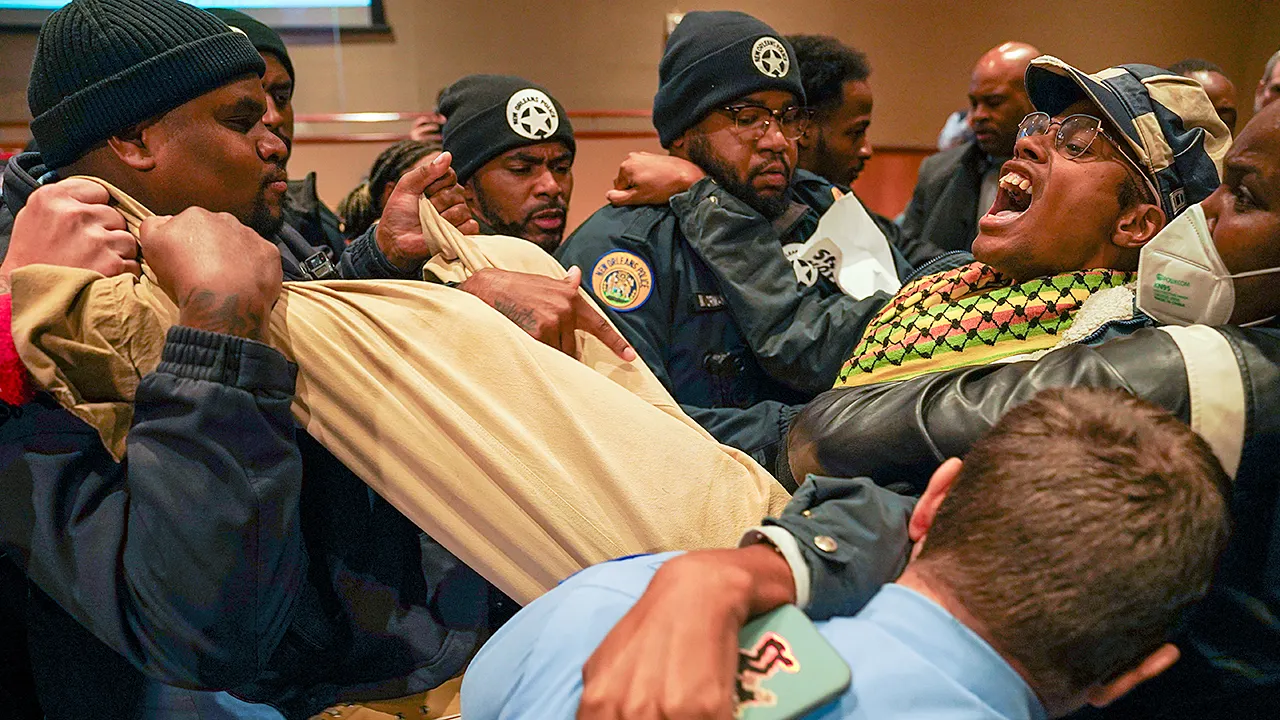
In a dramatic display of civic unrest, the New Orleans City Council meeting descended into chaos on Thursday as protesters stormed the chambers to voice their opposition to a major federal immigration enforcement operation. The protesters, representing various immigrant rights groups, were responding to the Department of Homeland Security’s announcement of “Operation Catahoula Crunch” – a two-month initiative deploying 250 Border Patrol agents across southeast Louisiana. As demonstrators filled the chamber with chants of “No ICE! No KKK! No racist USA!” and officials were forced to suspend the meeting, the confrontation highlighted the deep tensions surrounding immigration enforcement in the region. What began as a peaceful gathering outside City Hall quickly escalated when protesters entered the council chambers and attempted to speak out against the operation, which they refer to as “Swamp Sweep.” Council members, insisting that these comments were unrelated to the agenda, cut off the protesters, triggering an immediate eruption of outrage. Shouts of “Shame!” and “Coward!” filled the room, prompting council members to abruptly walk out and leaving the chamber in the hands of the protesters.
The situation intensified when approximately 30 to 40 demonstrators refused police orders to vacate the premises. In one particularly heated moment, officers physically removed a protester by carrying him from the chamber, sparking furious reactions from onlookers. “Shame on you. He’s a peaceful protester,” one woman shouted, while another confronted police directly, demanding to know, “Our people are under attack, and you drag him out? Who do you work for?” Outside, the tension continued as activists faced off with officers stationed behind metal barricades. Despite the heightened emotions and confrontational atmosphere, no arrests had been reported as of Thursday afternoon.
This confrontation represents the latest development in an escalating conflict between federal immigration authorities and community activists in New Orleans. Just days earlier, on Monday, dozens had gathered outside City Hall to protest the impending operation, with speakers sharing emotional testimonies about the impact of aggressive immigration enforcement on their communities. “We were hurting, we were abandoned and, instead of help, we got soldiers with rifles,” one demonstrator told the crowd, arguing that what the community needed was “housing, health care, real jobs, not soldiers.” Another protester spoke through tears about a deceased family member, emotionally declaring, “You can’t crush the flame of someone who’s already gone.” The demonstration was organized by the New Orleans Alliance Against Racist and Political Repression, with support from various groups including the Freedom Road Socialist Organization, Indivisible NOLA, and Union Migrante.
From the federal government’s perspective, Operation Catahoula Crunch targets what they describe as “criminal illegal aliens roaming free thanks to sanctuary policies” that prevent local authorities from honoring ICE detainer requests. DHS Assistant Secretary Tricia McLaughlin issued a strongly worded statement defending the operation, calling it “asinine that these monsters were released back onto New Orleans streets to COMMIT MORE CRIMES and create more victims.” McLaughlin emphasized that the operation specifically targets individuals who had been “released after arrest for home invasion, armed robbery, grand theft auto and rape,” and stated that under the current administration, “we are restoring law and order for the American people.” This characterization stands in stark contrast to how protesters view the operation – as an unnecessary traumatization of immigrant communities already struggling with numerous challenges.
The confrontation highlights the profound disconnect between federal immigration enforcement priorities and the concerns of immigrant rights advocates. While DHS frames Operation Catahoula Crunch as a necessary public safety measure targeting dangerous criminals, protesters see it as part of a pattern of targeting vulnerable communities. The emotional intensity of Thursday’s protest revealed the deeply personal stakes for many community members. When one protester was forcibly removed from the council chamber, the visceral reaction from others present demonstrated how immigration enforcement is experienced not as abstract policy but as direct threat to people’s lives, families, and sense of safety. The protesters’ accusation that officials were abandoning their responsibility to protect all residents resonated throughout the demonstrations.
As Operation Catahoula Crunch continues its expected two-month duration, the divide between federal authorities and immigrant communities in New Orleans seems likely to deepen. Protest organizers have vowed to continue demonstrating “for as long as Operation Swamp Sweep remains in effect,” suggesting that Thursday’s confrontation may be just the beginning of sustained resistance. The situation in New Orleans reflects broader national tensions around immigration enforcement, revealing how federal initiatives can trigger intense local responses when communities feel threatened. As border issues increasingly manifest far from the actual U.S. borders – in this case, in the heart of New Orleans – the geographical expansion of immigration enforcement continues to generate new flashpoints of conflict between government authorities and the communities they impact. What happens in New Orleans over the coming weeks may provide a window into how similar operations might be received in other cities across the country.