




Tensions Rise as Minnesota Police Clash with Anti-ICE Protesters
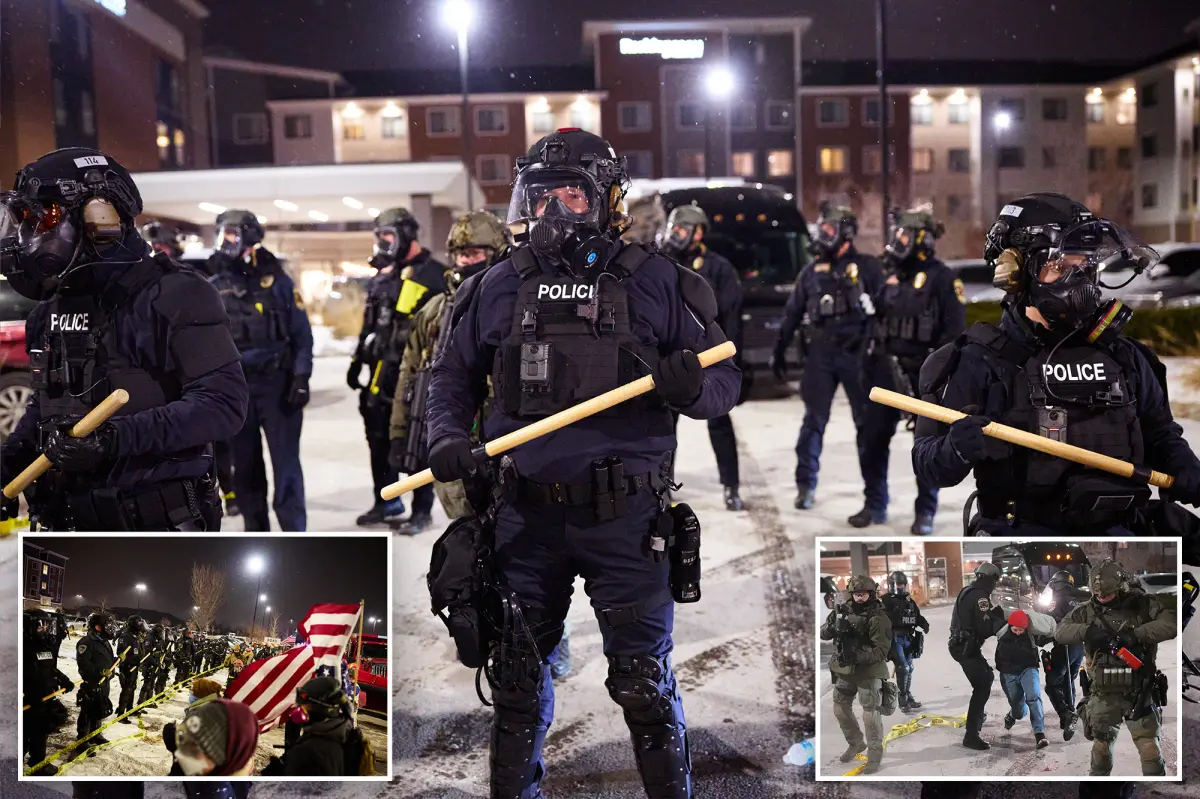
Minnesota police began arresting demonstrators outside SpringHill Suites by Marriott in Maple Grove on Monday after what authorities described as a peaceful protest transformed into an unlawful assembly. The protesters had gathered believing that US Border Patrol Commander Gregory Bovino was staying at the hotel. Bovino has been at the center of a growing controversy surrounding immigration enforcement operations in Minneapolis, particularly following the recent shooting death of Alex Pretti, a 37-year-old American citizen. As tensions escalated, police claimed protesters began throwing objects at officers and damaging property, prompting a multi-agency response including the Minnesota State Patrol, Department of Natural Resources, Hennepin County Sheriff’s Office, and Hennepin Public Order Group to assist Maple Grove officers in dispersing the crowd.
The demonstration comes amid significant changes in immigration enforcement leadership in Minneapolis. President Trump announced Bovino and many of his agents would be leaving the city as part of a leadership reshuffling in his immigration crackdown efforts. This change follows bipartisan scrutiny over enforcement operations in Minneapolis, which intensified dramatically after Border Patrol agents killed Pretti over the weekend while he was recording their activities. The immigration enforcement initiative is now expected to be led by Border Czar Tom Homan, signaling a potential shift in approach. A Maple Grove police spokesperson emphasized in a statement to KSTP that while they “respect and uphold the First Amendment rights of individuals to peacefully assemble and express their views,” their priority remains “the safety and security of all residents, visitors, and property” within the community.
The controversy surrounding Bovino stems largely from his unsubstantiated claims that Pretti, who worked as an ICU nurse, intended to “massacre” law enforcement—an allegation the White House has notably distanced the president from. The circumstances of Pretti’s death have fueled public outrage: he was shot and killed on Saturday by Border Patrol agents while recording federal immigration operations in Minneapolis. According to reports, Pretti appeared to be attempting to help a woman who agents had knocked down when he was sprayed with an irritant, pushed to the ground, and beaten. The situation escalated fatally when an agent pulled Pretti’s gun from his waistband, after which other agents fired several shots, killing him. This incident has raised serious questions about the use of force by immigration officers and the rights of citizens to observe law enforcement operations.
The aftermath of Pretti’s shooting has created confusion about Bovino’s current status. Some reports indicated he had been removed from his role as Border Patrol “commander-at-large” and would return to his previous position as chief patrol agent in El Centro, California. However, Homeland Security spokesperson Tricia McLaughlin contradicted these reports, stating Bovino has “NOT been relieved of his duties” and remains a “key part of the President’s team.” There were also reports that Bovino had his social media access revoked following his public comments about the incident, highlighting the internal tensions within the administration over messaging related to the controversial operations. These conflicting narratives demonstrate the complex political dynamics at play as the administration navigates the fallout from these enforcement actions.
The White House has also taken steps to distance itself from inflammatory rhetoric used by other high-ranking officials regarding Pretti. Homeland Security Secretary Kristi Noem characterized Pretti as a “domestic terrorist,” while Homeland Security Advisor Stephen Miller labeled him a “would-be assassin.” White House Press Secretary Karoline Leavitt notably stated she has “not heard the president characterize” Pretti in those terms, suggesting an effort to moderate the administration’s position in response to growing public concern. This careful repositioning indicates recognition of the political sensitivity surrounding these immigration enforcement operations, particularly as they’ve resulted in American citizen casualties. The administration appears caught between maintaining its tough stance on immigration enforcement while addressing concerns about civil liberties and the use of force.
Pretti’s death follows another recent controversial incident – the ICE-involved killing of Renee Nicole Good in Minneapolis earlier this month – creating a pattern of enforcement-related fatalities that has intensified scrutiny of immigration operations in the region. These deaths have galvanized anti-ICE activists and raised questions about the tactics and oversight of immigration enforcement agencies. The protests in Maple Grove represent just one manifestation of the growing public concern about the human costs of aggressive immigration policies. As community tensions rise and political pressure mounts from both sides of the aisle, the administration faces difficult questions about balancing its immigration enforcement priorities with respect for civil rights and appropriate use of force protocols. The coming days will likely reveal whether these leadership changes and the response to these incidents signal a meaningful shift in approach or merely a public relations effort to manage the growing controversy.