




Church Disruption Amid Rising Anti-ICE Tensions in Minnesota
In a tense confrontation that highlights growing political divisions in Minnesota, anti-ICE demonstrators disrupted a Sunday worship service at Cities Church in St. Paul. The protesters entered the sanctuary during the service, chanting “Justice for Renee Good” and “Who needs justice, we need justice,” claiming one of the church’s pastors had connections to Immigration and Customs Enforcement (ICE). Video footage shows the demonstrators positioning themselves in the middle of the sanctuary while the pastor was speaking, with one protester describing it as a “clandestine mission” after allegedly discovering a pastor’s ties to the federal agency. The incident raises serious concerns about the targeting of religious institutions during political protests and the boundaries of demonstration tactics.
The disruption appears connected to broader anti-ICE demonstrations occurring throughout the Twin Cities. Questions have arisen about whether Pastor David Easterwood, listed as one of eight pastors at Cities Church, shares the same name as the acting director of ICE’s St. Paul field office. The Department of Homeland Security (DHS) responded strongly to the incident, sharing video of the protest and stating: “Agitators aren’t just targeting our officers. Now they’re targeting churches, too. They’re going from hotel to hotel, church to church, hunting for federal law enforcement who are risking their lives to protect Americans.” DHS also criticized Minnesota Governor Tim Walz and Minneapolis Mayor Jacob Frey, claiming they were “whipping these mobs into a frenzy and then allowing them to run rampant,” while asserting that “ICE isn’t going anywhere.”
The church disruption has caught the attention of federal authorities, with the Department of Justice opening an investigation to determine if civil rights laws were violated. Assistant Attorney General Harmeet Dhillon of the Justice Department’s Civil Rights Division specifically mentioned potential violations of the federal FACE Act (Freedom of Access to Clinic Entrances Act), which protects religious worship from interference. This development elevates what began as a local protest to a potential federal case, underscoring the serious implications of disrupting religious services, regardless of political motivation. The investigation represents an important legal response to what many view as crossing a line between legitimate protest and infringement on religious freedom.
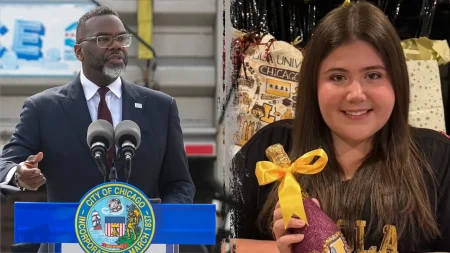
Minneapolis Mayor Jacob Frey has offered a different perspective on the protests, rejecting federal characterizations of the demonstrations as dangerous or lawless. Appearing on CBS’ Face the Nation, Frey pushed back against claims that state and local leaders are fueling unrest. “This is not about safety. What this is about is coming into our city by the thousands and terrorizing people simply because they’re Latino or Somali,” Frey stated, referring to federal immigration enforcement actions. The mayor defended the protesters, saying: “People in Minneapolis are speaking up. They’re speaking up peacefully. They’re standing up for their neighbors. And this is not just about resisting Trump. This is about loving and caring for the people that call this city home. And it’s been inspiring.”
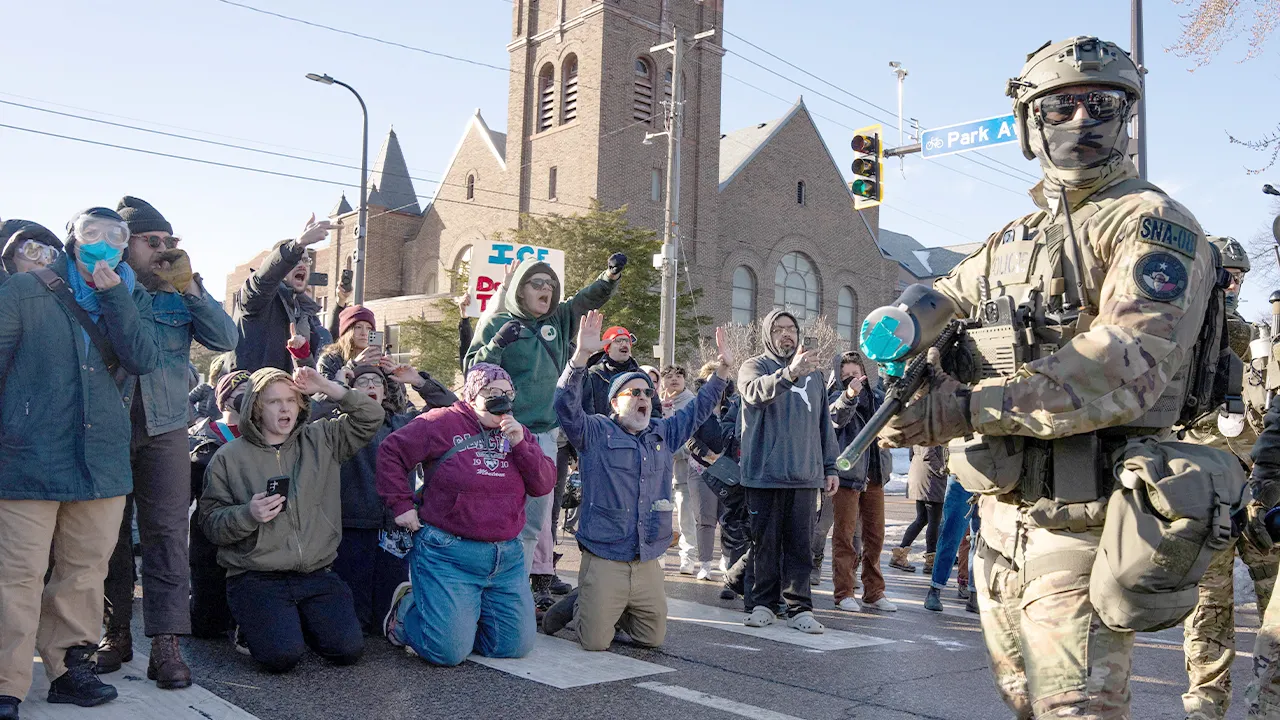
The church incident represents a significant escalation in anti-ICE demonstrations that have been intensifying across the Twin Cities. These protests occur against the backdrop of heightened immigration enforcement activities and what some local leaders describe as aggressive tactics by federal agents. The Minnesota National Guard has been placed on standby to support law enforcement as some demonstrations have reportedly turned violent. Critics of the protests point to the disruption of worship services as evidence that demonstrators are going too far, while supporters argue the demonstrations reflect legitimate concerns about immigration enforcement practices affecting vulnerable communities. The tension reflects deeper national divisions about immigration policy and enforcement.
This confrontation between protesters and religious worship highlights challenging questions about the limits of political activism and the sanctity of religious spaces in American society. While the right to protest is fundamental to democratic expression, many religious and civic leaders express concern about targeting houses of worship, which have traditionally been respected as neutral ground. The incident at Cities Church forces difficult conversations about where to draw lines between effective advocacy and respecting institutions that serve diverse communities. As investigations proceed and community responses evolve, this episode serves as a microcosm of larger tensions playing out across America regarding immigration enforcement, community values, and the boundaries of political protest in spaces traditionally considered separate from partisan conflicts.