





BLM Leader Defends Disruption of Minnesota Church Service
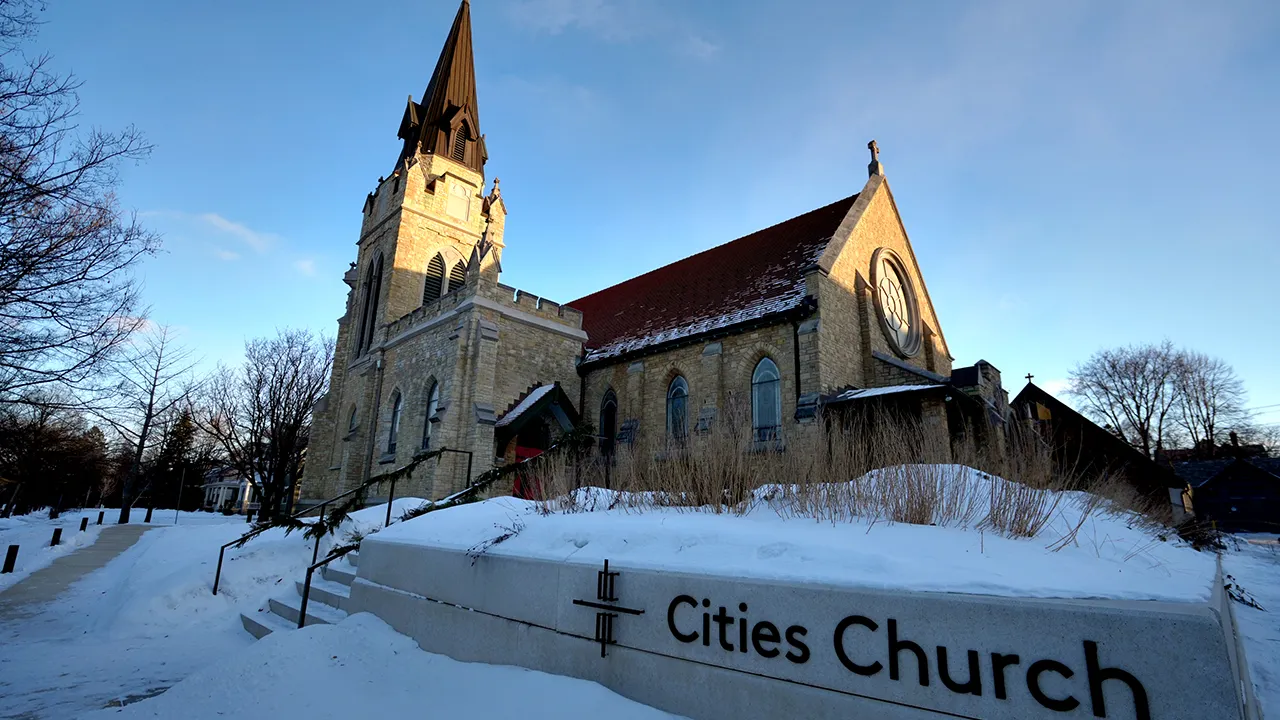
In a bold move that has sparked both controversy and conversation, Chauntyll Allen, leader of Black Lives Matter Twin Cities, has defended her group’s decision to storm Cities Church in St. Paul during Sunday worship. The disruption, which involved protesters chanting “Justice for Renee Good” inside the sanctuary, was described by Allen as necessary to “get the message across” about what she perceives as ICE’s unjust actions in the community.
The protest was triggered by the death of 37-year-old Renee Nicole Good, who was shot by an ICE officer earlier this month—an incident Allen characterized as “the most graphic murder.” According to Allen, the decision to target this specific church stemmed from discovering that one of its pastors, David Easterwood, shares the same name as the acting director of ICE’s St. Paul field office. This connection prompted Allen to declare, “And then we have the head of this whole operation standing in a pulpit preaching to a congregation every Sunday morning. And that was really just not OK for us.” The protesters viewed this as an unacceptable juxtaposition between religious leadership and what they see as oppressive immigration enforcement.
Allen, who comes from a religious background herself—noting that her mother is a pastor—drew parallels between the protesters’ actions and biblical stories, stating, “One of the things I remember about Jesus Christ himself is that when things weren’t going right in the church, he went in and he flipped tables.” This religious justification for disrupting a worship service highlights the complex intersection of faith, social justice, and protest tactics that has become increasingly prevalent in contemporary activism. The demonstrators apparently approached their action as a “clandestine mission,” positioning themselves strategically within the sanctuary while the pastor was speaking to maximize the impact of their message.
The church disruption represents just one facet of ongoing tensions between anti-ICE activists and authorities in Minneapolis following Good’s death. While Allen and fellow protesters view the incident as murder warranting justice, federal officials have presented a different narrative. According to their account, ICE agents were in the process of making arrests when Good allegedly attempted to use her vehicle as a weapon against officers, prompting an agent to fire in self-defense. This stark contrast in how the incident is perceived underscores the deep divisions in perspectives on immigration enforcement and the use of force by federal agencies.
The protest has drawn sharp criticism from Christian leaders, who have characterized the disruption of worship as “unspeakably evil” and called for justice. The Justice Department has stated it is investigating the incident, which occurred while Easterwood was present in the church. The clash of values is evident—with religious freedom advocates viewing the sanctuary as a protected space that should remain free from political demonstrations, while activists like Allen see their actions as justified in the face of what they consider to be systemic injustice perpetrated by ICE against immigrant communities.
This incident reflects broader national tensions surrounding immigration policy, law enforcement tactics, and the appropriate boundaries of protest. Allen’s defense of disrupting a sacred space during worship—claiming it “needed to be done”—raises profound questions about the limits of civil disobedience and the methods employed in pursuit of social justice. As Minneapolis continues to experience clashes between anti-ICE demonstrators and authorities, this church disruption serves as a potent symbol of how deeply divided Americans remain on issues of immigration, law enforcement, and the proper expression of political dissent—with sacred spaces now becoming contested ground in these ongoing cultural conflicts.