


DNA Evidence Takes Center Stage in Brian Walshe Murder Trial
In a pivotal moment during Brian Walshe’s murder trial, forensic evidence presented Tuesday delivered what prosecutors consider a devastating blow to the defense. Saman Saleem, a DNA unit supervisor at the Massachusetts State Police crime lab, testified that multiple items recovered from a Peabody trash collection site contained DNA consistent with Ana Walshe’s profile. Among the evidence were sections of a Tyvek suit, pieces of rug, tissue, slippers, and most notably, both the blade and handle of a hacksaw, as well as the head and handle of a hatchet. Saleem’s testimony revealed that the DNA profile obtained from the hacksaw blade was “at least 39 million times more likely” to have originated from Ana than from an unknown person. Similar DNA evidence was discovered on a blood-stained piece of rug and on “unknown tissue” recovered from a dumpster in Swampscott, painting a grim picture of what may have happened to the missing mother of three.
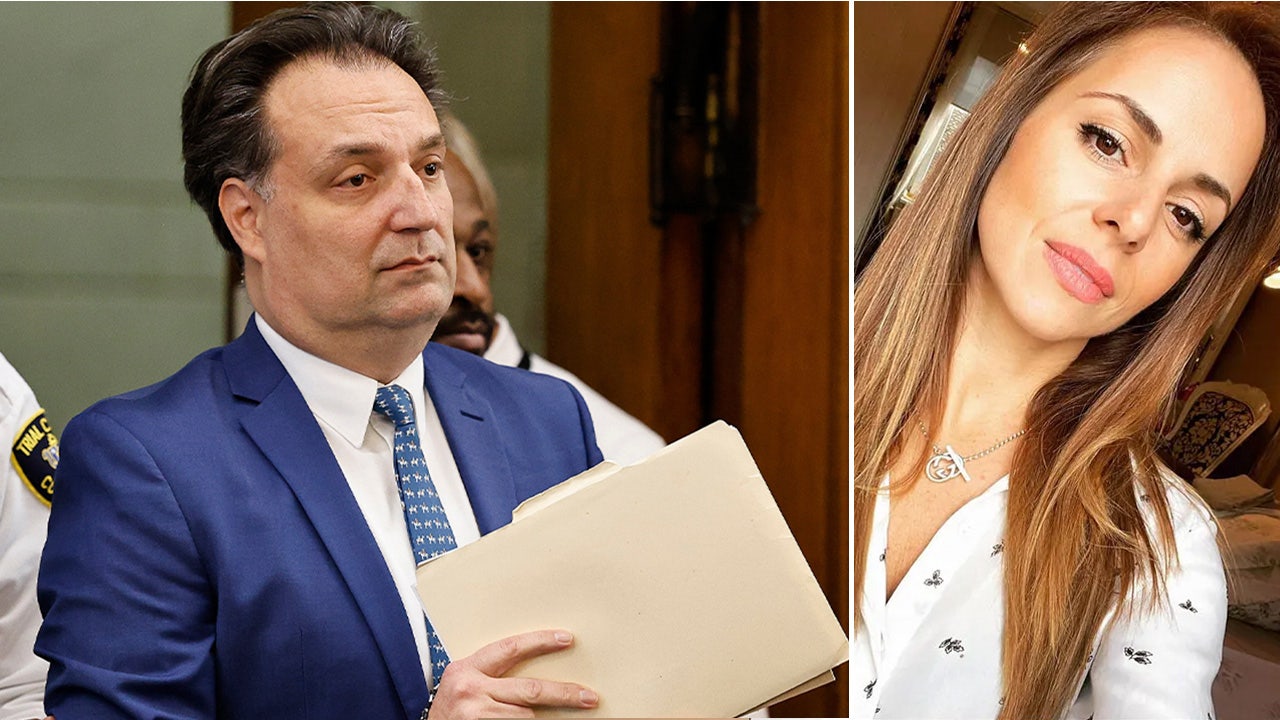
The case against 50-year-old Brian Walshe centers on prosecutors’ allegations that he killed his wife after discovering she was having an affair. The prosecution has built a narrative suggesting Brian believed becoming the sole caretaker of the couple’s three children would help him avoid federal prison time for his previous art fraud conviction. Financial motives have also been highlighted, as court records show Brian was the beneficiary of Ana’s $2.7 million life insurance policy and owed nearly $500,000 in restitution from his federal case. These circumstances, prosecutors argue, created a perfect storm of motivation for Brian to eliminate his wife after she disappeared on New Year’s Day.
Defense attorney Larry Tipton worked diligently during cross-examination to undermine the physical evidence by focusing on potential limitations of forensic testing and the possibility of contamination. In a significant moment for the defense, Saleem acknowledged that DNA “could be transferred from one item to another item in a bag” if pressed together. This admission opens the door for the defense to argue that the evidence may have been compromised during collection or storage, potentially casting doubt on the prosecution’s scientific findings. The defense’s strategy appears focused on creating reasonable doubt by questioning the reliability of the forensic evidence that forms the backbone of the prosecution’s case.
Beyond the DNA evidence, jurors were shown surveillance footage documenting Brian’s actions in the days immediately following Ana’s disappearance. Michael Roddy, a district loss prevention manager for TJX (the parent company of HomeGoods), presented video of Brian shopping at a Norwell HomeGoods on the mornings of January 2 and January 4. The footage revealed Brian purchasing rugs, towels, and bathmats, paying $245.35 and $155.91 using store value cards. In a detail that prosecutors likely hope will resonate with jurors, Roddy authenticated receipts tracing these store credits back to returns made by Ana in December 2022 from stores in Baltimore and Washington, D.C., suggesting Brian was using his missing wife’s store credits while allegedly covering up her murder.
The timing of Brian’s shopping trips has become a crucial element in the prosecution’s timeline, as they occurred during the period when Ana was first reported missing. Prosecutors have meticulously tracked Brian’s movements during this critical time frame, arguing that his behavior demonstrates both consciousness of guilt and efforts to conceal evidence. The purchases themselves—items that could potentially be used for cleaning or covering up a crime scene—add another layer to the circumstantial case being built against him. Despite the mounting evidence, Brian previously pleaded guilty to misleading police but continues to maintain his innocence regarding his wife’s murder.
As the trial continues, testimony is set to resume with Gem Mutlu, Ana’s former boss and friend, taking the stand. The case has captured national attention not only for its disturbing allegations but also for the methodical way prosecutors have assembled evidence ranging from digital footprints and financial records to forensic science and eyewitness accounts. While the defense works to create doubt about the handling and interpretation of evidence, the prosecution continues to build a comprehensive case that Ana Walshe met a violent end at the hands of her husband. With each day of testimony, the jury is presented with more pieces of a puzzle that prosecutors hope will lead to only one conclusion about what happened to the missing mother in the early hours of 2023.