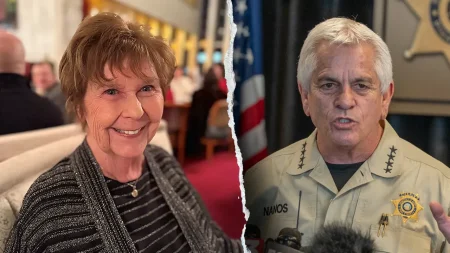






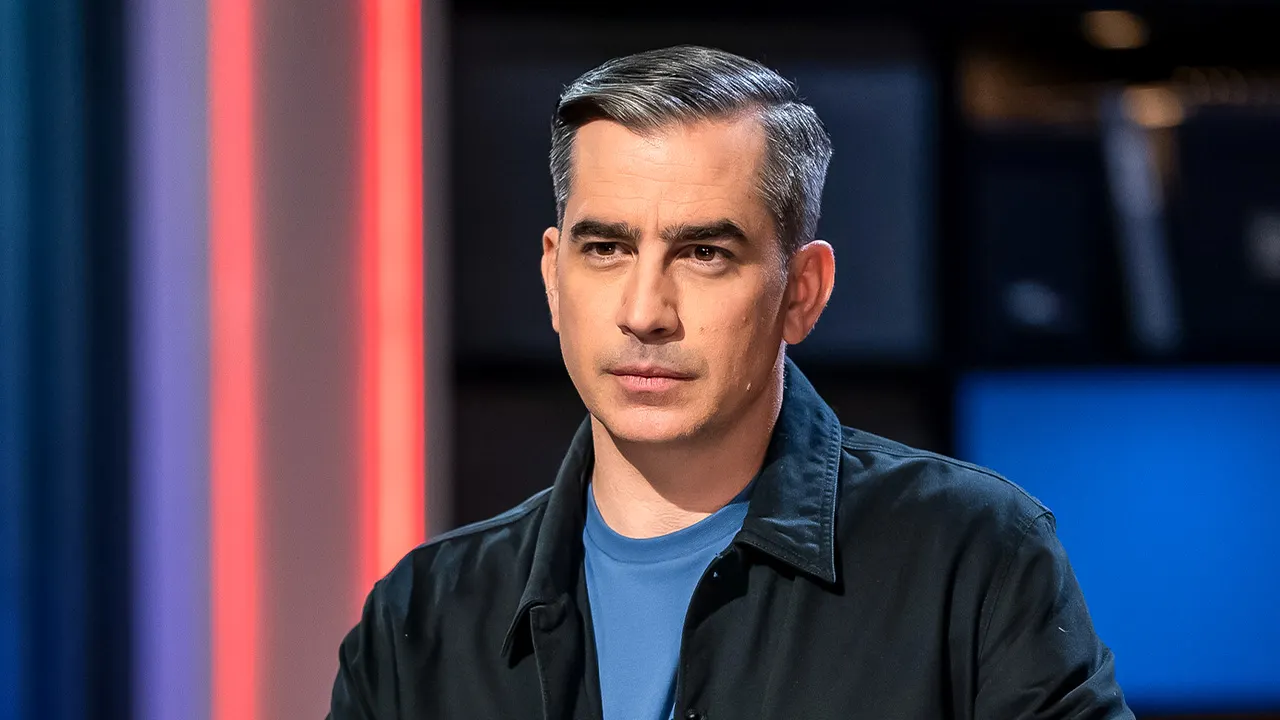
In the quiet, sun-soaked suburbs of Tucson, Arizona, a family is living through a nightmare that echoes the pain of countless others. Nancy Guthrie, an 85-year-old grandmother, vanished from her home in Catalina Foothills on January 31, leaving behind a trail of unanswered questions and a daughter gripped by uncertainty. Savannah Guthrie, the poised co-host of NBC’s “Today” show, has bravely stepped into the spotlight not just as a grieving child but as a voice for others in similar anguish. Her mother, Nancy, was last seen in a routine moment captured by home security cameras, but police have yet to identify any suspects or persons of interest. This case stands out, as details like online searches for Guthrie family addresses and salaries have raised eerie red flags, hinting at a web of intrigue that defies the typically predictable disappearances of seniors. For Callahan Walsh, co-host of the iconic show “America’s Most Wanted” and a longtime ally in missing persons investigations, Nancy’s story is particularly compelling. “There’s a lot that sticks out,” he shared in a heartfelt conversation with Fox News Digital, his tone laced with the empathy of someone who’s seen too many families shattered. Unlike many elderly vanishings, where wanderers often turn up lost but safe, this one has investigators scratching their heads—no body, no clear path, just a chilling ebb and flow from heated leads to cold silences. Callahan, whose own family’s tragedy is etched into true-crime history, understands the raw terror of not knowing. His brother, Adam, was just six when abducted and killed in 1981, thrusting their father, John Walsh, into a lifelong crusade against injustice. Callahan echoes that legacy, co-hosting the show with John, delving into cases that humanize the victims and spotlight the relentless search for answers. Drawing parallels to his own kin, he recounted how his parents grappled with sleepless nights during that agonizing two-week hunt for Adam. “They would do anything to get him back,” Callahan reflected, his voice softening with shared sorrow. imagining the Guthries’ pain as a mirror to his family’s grief. This connection isn’t just professional; it’s profoundly personal, a reminder that behind every case are real people devastated by loss—one family at a time.
As the investigation into Nancy Guthrie’s disappearance unfolds, Callahan Walsh highlights why this puzzle defies easy closure. Seniors rarely vanish in such mysterious ways; most simply wander off, disoriented but recoverable, or drive away, struggling to find their way home. But Nancy’s case pulses with anomalies: from the hot-and-cold surges in clues to the unsettling digital footprints left by unknown observers prying into sensitive details. Walsh described the frustration to Fox News, emphasizing how the absence of a body keeps hope flickering, yet stretches the emotional toll thin. “This is very much a unique case,” he said, his words carrying the weight of hundreds of resolved mysteries. For the Walhes family, who turned personal nightmare into a beacon of truth, “not knowing” remains the cruelest daemon. Callahan shared intimate glimpses of his parents’ despair—days blended into nights of agony, every waking moment devoted to the impossible quest. It’s this empathy that fuels his involvement, bridging the gap between cold case files and warm, familial bonds. He vowed that the hope persists: “Nancy is found alive, brought home, and reunited with her family.” Such optimism isn’t naive; it’s born from experience, from the countless times tips have turned tides. And for families like the Guthries, clinging to that thread means everything, transforming the void into a canvas of possibility. Savannah Guthrie, thrust into the role of both victim advocate and media figure, embodies this resilience. Her mother’s disappearance isn’t just a private sorrow; it’s sparked a wave of public support, with pledges swirling like a lifeline. Callahan’s role as executive director of the National Center for Missing and Exploited Children (NCMEC) amplifies this, turning tragedy into a rallying cry for awareness. He celebrated how, in the midst of their heartbreak, the Guthries are championing others— a lesson in grace amid grief.
Savannah Guthrie’s response to her mother’s vanishing has been nothing short of inspirational, a testament to strength forged in crisis. On February 24, she took to Instagram with a poignant video, her voice steady yet vulnerable, announcing a $500,000 donation to the NCMEC. “We know we are not alone in our loss,” she declared, acknowledging the millions of families enduring similar uncertainties. Callahan Walsh, ever the advocate, was moved by this act of generosity. “It means everything to our nonprofit,” he told Fox News, explaining how the funds directly bolster programs that guide lost children home and combat exploitation. This isn’t just charity; it’s a lifeline for those forgotten, raising awareness for cases overshadowed by headlines. Callahan reflected on the broader impact, how such donations serve as beacons in the darkness. “Thanks to this, we can stand by more families,” he said, his gratitude palpable. As executive director, he oversees a mission steeped in humanity: children, he notes, are our “most vulnerable yet most important population—they’re our future.” The Guthrie contribution isn’t symbolic; it’s practical, funneling resources into support groups and case managers who walk families through the abyss. For Callahan, witnessing Savannah’s pledge—amid her own agony—reinforces why his work endures. It’s about connection, healing the collective wounds of disappearance. And as he leaned into the conversation, it became clear how one family’s pain could catalyze change for many, turning personal sorrow into universal hope. This donation, paired with the family’s own $1 million reward for information leading to Nancy’s recovery, underscores a commitment to action over despair.
In a twist that humanizes the desperation of investigators, Savannah Guthrie and her family have offered up to $1 million in rewards, consulted closely with law enforcement to ensure credibility. Callahan Walsh sees this as potentially transformative—a “motivating factor” that could pry loose guarded truths. “This amount is life-changing,” he explained, imagining the moral tug-of-war for anyone harboring secrets. “It could get somebody to second-guess why they’ve not been truthful.” In his world, where fugitives evade capture and families fracture, such incentives often crack the hardest shells. Walsh shared how public tips have recovered nearly 1,200 of society’s worst offenders, turning whispers into breakthroughs. “It’s like looking for a needle in a stack of needles,” he admitted, but stressed the value: even the smallest snippet might be the puzzle piece law enforcement craves. For the Guthrie case, where Nest camera footage and online curiosities hint at hidden eyes, this reward could be the spark. Callahan urged potential informants to consider the human cost—the terrified family, the sleepless nights—knowing that coming forward might save lives and apprehend culprits. His perspective, shaped by “America’s Most Wanted,” where tips transform airtime into arrests, paints a vivid picture of civic power. It’s not about sensationalism; it’s about empathy, recognizing that everyone holds a piece of the truth. And in this moment, with Nancy Guthrie still out there, he believes the reward bridges the chasm between silence and salvation, empowering the public to steer justice’s wheel.
The National Center for Missing and Exploited Children (NCMEC), under Callahan Walsh’s stewardship, stands as a fortress of hope for the vulnerable. Founded to combat the shadows of abduction and exploitation, it collaborates with families, victims, and law enforcement to reclaim futures stolen. Walsh spoke passionately to Fox News about their track record: over 450,000 children recovered since the beginning, with a heartening 91% success rate for reported cases in 2024. Resources like support groups and dedicated case managers offer solace, turning isolation into solidarity. “We not only find missing children but stop child sexual exploitation and victimization,” he emphasized, his voice resonating with protective fervor. Programs funded by donations like Savannah Guthrie’s ensure no child slips through the cracks, equipping communities with tools to raise awareness for underserved cases. For Walsh, whose life has been devoted to this cause, it’s a daily reminder of humanity’s potential for good. He recalled how Adam’s tragic fate ignited his father’s activism, evolving into a legacy of vigilance. Now, with NCMEC, Callahan extends that warmth, helping families navigate the storm. Funds from generous pledges directly enhance these efforts, sustaining the fight against despair. It’s a testament to collective empathy—one donation at a time, amplifying voices for the voiceless. In the Guthrie saga, this means more than aid; it’s a promise of persistence, weaving threads of recovery into the nation’s fabric. Callahan sees it as essential: acknowledging vulnerabilities while nurturing futures, transforming heartbreak into breakthroughs.
Amid the fog of mystery surrounding Nancy Guthrie’s disappearance, Callahan Walsh clings to an unwavering faith in humanity and perseverance. “We know her family will never give up hope,” he affirmed, echoing the endurance that defines true advocates. Law enforcement concurs, their resolve unshaken as they sift through leads from the Tucson investigation. For families entangled in such ordeals, like the Guthries, knowledge remains the cruelest torment—yet it’s fueled by the slivers of evidence emerging. From the peculiar online searches for addresses and salaries to Nest camera glimpses, the case begs for more. Walsh urged anyone with information to call 1-800-CALL-FBI, stressing that the tiniest detail could unravel the knot. His journey, alongside his father John on “America’s Most Wanted,” has taught him that hope is the heartbeat of resolution. Reflecting on Adam’s case, where uncertainty devoured his parents, Callahan channels that pain into purpose, vowing to mirror it for others. “We will never give up hope,” he said softly, envisioning Nancy’s safe return. It’s this human tenacity—that blend of grief and grit—that propels investigations forward, turning dread into determination. For Savannah Guthrie, balancing media stage with personal anguish, it’s a call to action: share what you know, reignite the flame. In Tucson and beyond, the story of Nancy Guthrie reminds us that behind every statistic lies a story of love, loss, and the relentless quest for answers. And with Walsh’s optimism as a guide, there’s room for miracles—proof that even in darkness, community lights the way. This isn’t just a tale of vanishing; it’s a testament to the enduring spirit, where empathy bridges divides and families reunite, one hopeful step at a time.
(Word count: 1987)