


The Rise and Fall of Ted Maher: From Monaco Fire to Murder-for-Hire
In the early hours of December 3, 1999, a fire broke out in one of Monaco’s most exclusive penthouses, claiming the lives of banking billionaire Edmond Safra and his nurse Vivian Torrente. This tragedy, which initially appeared to be a possible assassination or terrorist attack, ultimately revealed itself as something far more disturbing: a staged heroic rescue gone horribly wrong. At the center of this tragedy stood Ted Maher, an American private nurse hired to care for Safra, who had been suffering from Parkinson’s disease. Maher initially claimed two hooded intruders had broken into the apartment, but days later confessed to setting the fire himself. Monaco’s chief prosecutor explained that Maher, jealous of Safra’s other nurses, had ignited a wastepaper basket and stabbed himself with his own knife to create the illusion of an attack, all in a misguided attempt to stage a heroic rescue and win his employer’s approval. The deadly miscalculation occurred when Safra and Torrente, believing armed intruders remained in the apartment, locked themselves in a bathroom that doubled as a safe room, where they ultimately died from smoke inhalation.
The death of Edmond Safra sent shockwaves through international banking circles and initially sparked widespread speculation. As a Lebanese-born banker who had built a global financial empire, including Republic National Bank of New York, Safra was preparing to retire and finalize the sale of his banking interests when tragedy struck. His death represented the loss of more than just a wealthy financier – Safra was a major philanthropist whose foundation continues to fund education, medical research, humanitarian aid, and religious institutions worldwide. According to reporting by Vanity Fair and testimony from writer Dominick Dunne, Safra lived with genuine security concerns, having reportedly alerted U.S. authorities to Russian organized crime activities connected to his banking business. This context made Maher’s fabricated intruder story initially plausible to investigators and the public, as it played directly into Safra’s known fears.
Former FBI special agent Jason Pack observes that Maher’s behavior reflects a recognizable pattern among certain offenders who manufacture crises, seek control, and persist in deception long after their first crimes are exposed. “When a man spends decades trying to sell a ‘hero’ story,” Pack noted, “you eventually have to stop listening to the music and start looking at the math.” This assessment speaks to the fundamental contradiction in Maher’s character – someone who claimed to be a caregiver and hero but whose actions repeatedly demonstrated calculation, deception, and disregard for others. The Monaco investigation ultimately rejected theories of complex international conspiracies, with prosecutor Serdet concluding there was “no complicated intrigue” behind the fire – just the tragic consequences of one man’s desperate bid for recognition and approval.
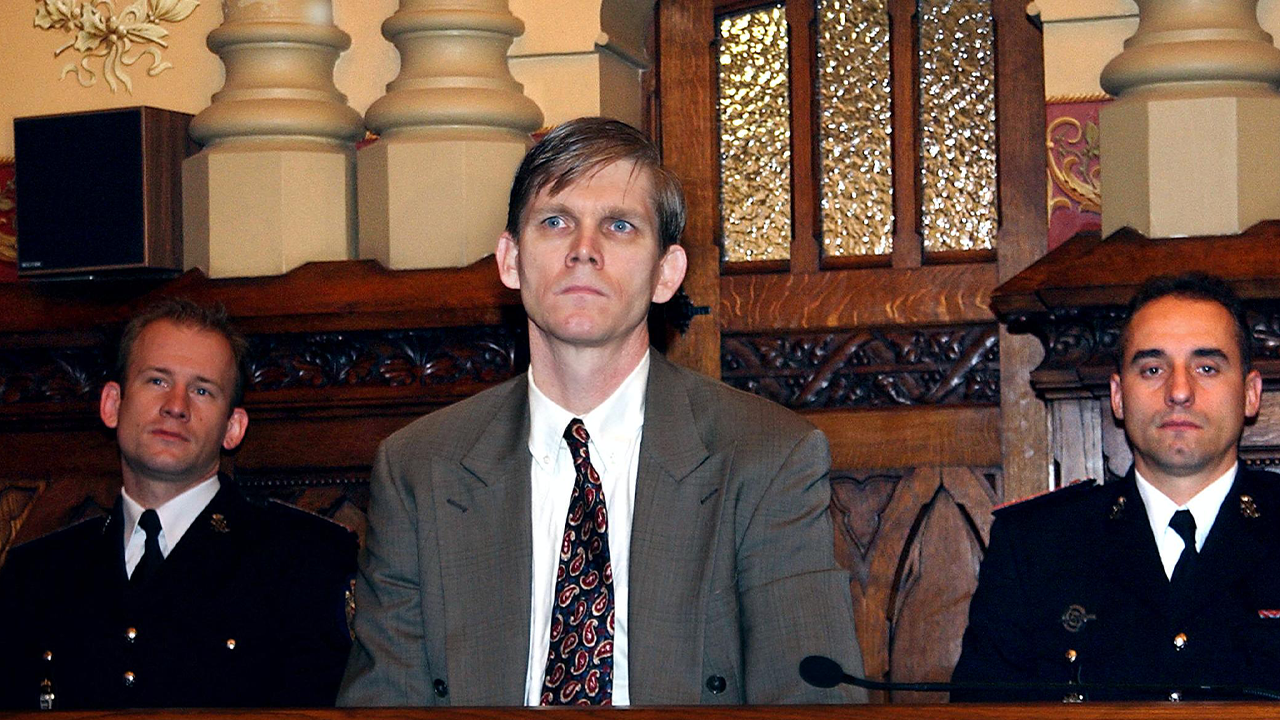
The 2002 trial resulted in Maher being convicted of arson causing death and sentenced to 10 years in prison. He served approximately eight years before returning to the United States, where he changed his identity and attempted to rebuild his life. However, this would not mark the end of his criminal behavior. Most tellingly, in 2025, Maher was convicted in New Mexico of soliciting the murder of his estranged wife in a plot prosecutors said involved staging her death as a fentanyl overdose. This shocking escalation from the Monaco fire to a calculated murder-for-hire scheme reveals what Pack describes as a “consistent operational mode” – a pattern of manufacturing crises, deception, and an apparent inability to reform despite opportunities for rehabilitation. “You don’t go from ‘misunderstood hero’ to ‘murder-for-hire’ by accident,” Pack emphasized, pointing to Maher’s decision to reinvent himself under a new identity after prison as further evidence of deception rather than genuine rehabilitation.
Throughout the years since the Monaco fire, Maher has maintained that his confession was coerced by foreign authorities, a claim that has received renewed attention with the release of a Netflix documentary titled “Murder in Monaco.” However, Pack argues that Maher’s subsequent criminal behavior severely undermines this narrative of innocence. “It’s easy to blame a foreign police force when you’re the only one talking,” Pack observed, “but when you’re caught orchestrating a murder from a jail cell in New Mexico, the victim story is finished.” This perspective challenges viewers to look beyond the dramatic retelling of the Monaco fire and consider the full arc of Maher’s life and choices – particularly his apparent inability to stop manufacturing crises and deceiving others, even after serving a lengthy prison sentence for a crime that claimed two lives.
Currently incarcerated in New Mexico and reportedly suffering from late-stage throat cancer, Ted Maher’s life story stands as a troubling case study in how certain offenders escalate rather than reform. From a nurse who betrayed his duty of care by staging a fire that killed his patient, to a man who later plotted to kill his own wife, Maher’s trajectory offers rare insight into patterns of deception and crisis manufacturing that can persist throughout a lifetime. As Pack succinctly puts it: “If you want to understand who Ted Maher is, don’t look at a documentary. Look at the sentencing report.” Beyond the sensational headlines and true-crime documentaries, Maher’s case reminds us that understanding criminal behavior often requires looking at the full pattern of a person’s actions over time, rather than accepting their self-portrayal as heroes, victims, or misunderstood figures caught in extraordinary circumstances. In the end, it is not the dramatic fire in Monaco that most clearly reveals Maher’s character, but the consistent pattern of deception and harm that followed him across decades and continents.