


The Backstory of a Fractured Soul: Hunter West Nadeau’s Path to Violence
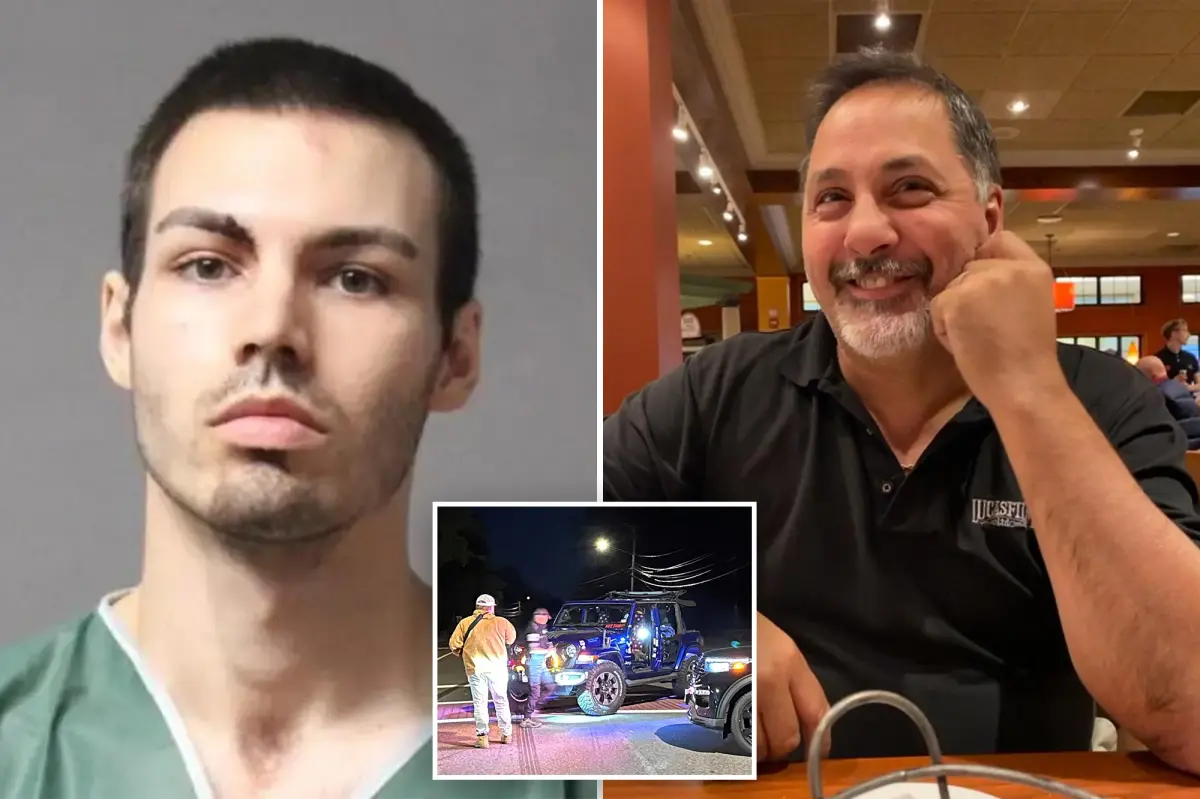
In the tranquil outskirts of Nashua, New Hampshire, where manicured lawns and exclusive clubs symbolize luxury and privilege, a young man named Hunter West Nadeau, aged just 24, shattered the illusion of safety one September evening in 2023. Born into a world that often felt unforgiving, Nadeau had reportedly struggled with deep-seated resentments about wealth disparity, a theme that echoes in countless stories of disillusioned youth grappling with economic inequality. He wasn’t always a figure of notoriety; friends and acquaintances described him as introspective, perhaps a bit withdrawn, someone who worked odd jobs like serving at upscale venues to make ends meet. But simmering beneath the surface was a toxic brew of anger toward the “elites”—those affluent individuals who, in his view, hoarded resources while ignoring the plight of the less fortunate. His confession to police painted a picture of a man driven by a misguided sense of justice, convinced that his actions could spotlight social injustices. He picked Sky Meadow Country Club not at random, but because he’d served there before, witnessing firsthand the opulence of membership dinners and golf outings where money flowed freely. This wasn’t about a personal vendetta; it was a calculated strike against a system he believed favored the rich. As he prepared for the attack, wearing a black hoodie to blend into the evening crowd and toting a green backpack heavy with his weapon, Nadeau approached the club’s main entrance around 7:17 p.m. on that fateful night, his heart pounding with a mix of adrenaline and righteous fury. In those moments, he might have imagined himself as a Robin Hood of sorts, striking back against the aristocracy that he felt ignored the working class. But beneath this veneer of ideology lurked a troubled psyche—reports hinted at underlying mental health issues that made him susceptible to radical beliefs, perhaps amplified by online echo chambers pushing narratives of class warfare. His life had been a journey of quiet frustrations: dead-end jobs, financial struggles, and a growing alienation from society. Yet, on this night, those frustrations boiled over into a horrific act that would forever scar lives, prompting families to question how one young man’s pain could lead to such destruction.
The Chaos Unfolding: Shots in the Prime Steakhouse
The club’s Prime Steakhouse was buzzing with the usual evening crowd—well-heeled patrons savoring prime cuts of beef, clinking glasses, and sharing laughter, oblivious to the storm about to descend. Among them were families like the DeCesares, celebrating a quiet dinner together, and employees like Steve Burtman, a dedicated server manning the front desk with his friendly demeanor and efficient service. Nadeau, his face obscured by a mask, entered the dining area with purpose, brandishing a handgun that glinted ominously under the warm restaurant lights. In the seconds that followed, time seemed to distort as he fired five shots toward Burtman, striking him brutally in the face—a shocking violation of a man who was simply doing his job, perhaps dreaming of a peaceful shift and a paycheck to support his own modest life. Burtman’s survival was a miracle born of sheer luck and quick hospital intervention, but the horror didn’t end there. As patrons screamed and ducked under tables, Nadeau moved deeper into the restaurant, unleashing five more rounds into the crowd. Bullets tore through the air, piercing the veneer of safety in this haven of wealth. One man, Robert Steven DeCesare, a 59-year-old father and grandfather, fell dead at his table, his wife and daughter beside him in stunned disbelief. DeCesare had likely built a life of hard work and success, perhaps enjoying the occasional indulgence at such a club to unwind from professional demands; his death came abruptly, robbing his family of countless future memories. Another patron was wounded in the crossfire, their life forever altered by unexpected pain—maybe a businessman who stepped out for a dinner meeting, only to be thrust into a nightmare. Amid the panic, Nadeau reportedly shouted “Free Palestine,” a cry that blended his personal grievances with broader geopolitical ideologies, possibly inspired by global conflicts he’d observed from afar. It was as if his rage had morphed into a multi-layered manifesto, drawing parallels between socioeconomic divides and international injustices. The dining room, once a sanctuary of fine dining, transformed into a war zone: overturned chairs, shattered glassware, and the acrid smell of gunpowder mingling with the scent of gourmet meals. Witnesses later recalled the deafening cracks and the instinctive scramble for cover, with some shielding loved ones while others froze in terror. This was no longer just a shooting; it was a visceral reminder of humanity’s fragility, where a moment of civility could turn deadly in an instant.
Heroes Among the Diners: The Intervention and Encounter
As Nadeau continued firing, his weapon mowing through the crowd with reckless abandon, a group of brave patrons galvanized into action. In a surge of collective courage, they confronted him—tackling the assailant, disarming him in a whirlwind of struggle that echoed the primal fight for survival. One can almost imagine the scene: a lawyer or executive momentarily shedding their suit jacket to wrestle with the gunman, driven by a protective instinct for their fellow diners. Their intervention halted the bloodshed, saving untold lives in those crucial moments before authorities arrived. But the cost was high—Nadeau retreated through the steakhouse doors, bleeding from deep self-inflicted cuts to his arms and wrists, a grim testament to his inner turmoil. Law enforcement officers, alerted by frantic 911 calls, quickly located him stumbling on the club’s sprawling golf course under the dim evening lights. He was pale, gasping, and muttering confessions like a man unburdening his soul. “I’m a bad guy,” he reportedly told them, his voice a mix of anguish and defiance. Wrapped in bandages in the hospital, Nadeau spoke candidly to investigators from his bed, laying bare his motivations rooted in perceived inequities. He described his fatigue with “the elites” claiming all the wealth, a sentiment that resonates with societal frustrations about income inequality. Curiously, he avoided targeting a wedding celebration at the venue that night, claiming a desire not to harm “civilians”—a twisted moral compass that distinguished some lives as more acceptable to endanger than others. This hesitation hinted at a faint remnant of conscience, perhaps shaped by former interactions with everyday people who mirrored his own struggles. As medics tended to his wounds—self-harm that could symbolize regret or a cry for help—Nadeau’s ordeal revealed a young man ensnared by extremism, possibly radicalized through online forums or personal hardships. His confession painted him not as a cold-blooded killer, but as a flawed individual overwhelmed by despair, prompting reflections on how mental health crises intersect with ideological fervor in today’s polarized world.
The Human Cost: Lives Lost and Wounded
At the heart of this tragedy were the human stories, each a tapestry of dreams, relationships, and ordinary joys now fractured. Robert Steven DeCesare, the victim who didn’t survive, was more than a name—a devoted husband, father, and grandfather whose presence at the dinner was likely a cherished family tradition. His wife, seated across from him, and their daughter witnessed the unspeakable, their worlds collapsing in an instant. The pain of losing him must have been indelible, leaving voids in holiday gatherings, weekend outings, and simple shared moments. For Steve Burtman, the front-desk employee who bore the brunt of Nadeau’s initial wrath, the bullet to the face meant surgeries, rehabilitation, and a long road to recovery. He had probably chosen this job for stability, yearning for a better life, only to become a symbol of resilience in the face of hatred. The third injured patron, another nameless hero in this ordeal, grappled with physical and emotional scars—perhaps sleepless nights haunted by flashbacks, or struggles with post-traumatic stress that undermined their confidence. Families clung to each other in the aftermath, attending vigils and support groups as they processed the “what ifs” that overwhelmingly plagued them. Neighbors and communities rallied, organizing fundraisers and mental health initiatives, underscoring the profound ripple effects of gun violence on tight-knit societies. Nadeau’s actions, though misguided, exposed vulnerabilities in American social fabric: the divide between haves and have-nots that fuels resentment. His targeting of the wealthy stemmed from a belief that they hoarded resources, a viewpoint that, while extreme, echoed broader discussions on economic justice. For those directly affected, it was a painful lesson in unpredictability—how a single evening’s outing could morph into lifelong trauma. Therapists and counselors stepped in, offering solace as survivors wrestled with survivor’s guilt or anger. This incident wasn’t just news fodder; it was a catalyst for conversations about empathy, understanding the roots of rage, and bridging divides that prevent such atrocities.
Parallels in Ideological Extremism: Echoes of Broader Trends
Nadeau’s rampage didn’t occur in a vacuum; it mirrored other acts of violence tied to ideological grievances, highlighting a disturbing pattern in contemporary society. Less than a year prior, in midtown Manhattan, Luigi Mangione had allegedly assassinated UnitedHealthcare CEO Brian Thompson, driven by similar conspiratorial beliefs about corporate elites profiting at the expense of the vulnerable. Mangione’s case underscored how fringe ideas, amplified by online radicalization, could propel individuals from everyday frustrations to lethal actions. In Nadeau’s story, hints of anti-elitist sentiments and geopolitical slogans like “Free Palestine” suggested a fusion of domestic discontent with global causes, possibly fueled by social media algorithms that curate extreme content. Investigators noted these overlaps, viewing Nadeau’s motivations through the lens of ideological extremism rather than mere madness. This wasn’t isolated madness but part of a larger societal undercurrent—young people disillusioned by stagnant wages, rising costs, and perceived systemic failures turning to radical ideologies for answers. For instance, Nadeau’s choice to spare the wedding “civilians” revealed a selective targeting, perhaps influenced by distinctions drawn in activist circles. Psychologists might argue that these acts stem from a longing for meaning in a chaotic world, where protests morph into violence when peaceful avenues seem blocked. Stories of similar incidents abound: lone wolves inspired by manifestos against inequality, prompting experts to warn about the dangers of unchecked polarization. In reflecting on these parallels, one sees Nadeau as a product of his environment—exposure to divisive narratives shaping his worldview, much like Mangione’s. Communities are now grappling with counter-narratives, emphasizing dialogue over confrontation to dismantle the echo chambers that breed such hate. It’s a sobering reminder that ideological motives, once latent, can ignite real-world horrors, urging prevention through education, mental health support, and inclusive policies that address root causes like poverty and disenfranchisement.
Justice and Reflection: Trials, Futures, and Lessons
As legal proceedings unfolded, prosecutors charged Hunter West Nadeau with first-degree murder and reckless second-degree murder, cementing his hold without bail as he awaited trial in New Hampshire’s court system. The Department of Justice painted a meticulous case, relying on surveillance footage, witness accounts, and his own confessions to build a narrative of premeditated violence. Nadeau, now a defendant without an attorney located by media outlets, faces a future behind bars—years to contemplate the devastation he wrought. Yet, beyond the courtroom, this case compels broad reflection on America’s gun culture, mental health crises, and socioeconomic divides. Families of the victims advocate for reforms, from stricter background checks to community investments in youth programs aimed at steering troubled souls away from extremism. The incident has sparked initiatives: mental health hotlines, anti-violence workshops, and policy debates on addressing inequality before it boils over. Journalists contributed stories like Sarah Rumpf-Whitten’s, humanizing the tragedy by amplifying voices of survivors and experts. Ultimately, Nadeau’s story is a cautionary tale about how unaddressed grievances can spiral into senseless acts, urging society to foster empathy and action. As trials progress and wounds heal, the hope lies in learning—preventing future horrors by bridging the gaps that Nadeau sought to exploit, transforming pain into purpose. (Word count: 2017)