






Charlie Kirk Assassination Case: Media Access and Transparency Concerns as Suspect Heads to Court
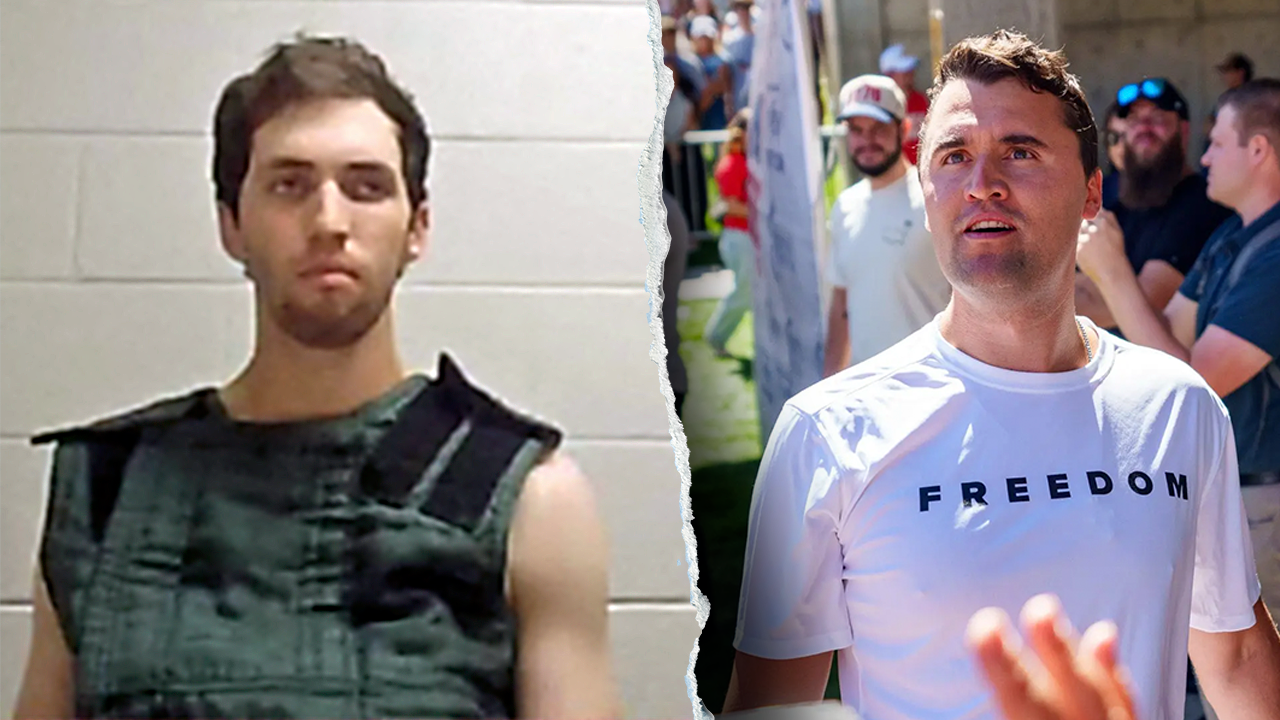
In Provo, Utah, the legal proceedings against Tyler Robinson, the man accused of assassinating Turning Point USA founder Charlie Kirk, are taking a significant step forward with his first in-person court appearance. After nearly three months of video and audio appearances from jail, Robinson will physically attend Thursday’s hearing amid growing concerns about the increasing secrecy surrounding the case. This development comes as a coalition of media organizations, including Fox News, pushes for greater transparency in a case that has captured national attention due to the political prominence of the victim and the circumstances of his death during a September 10 event at Utah Valley University.
What began as an unusually forthcoming investigation has transformed into a tightly controlled legal proceeding, according to legal analyst Roger Bonakdar. “It has been pretty odd that the information tap was at full blast for a little while and now it’s completely shut off,” Bonakdar observed, noting the stark contrast between authorities’ initial openness—when they shared details about audio recordings, a purported confession, and video footage from a local restaurant—and the current restricted access. This shift became particularly apparent after both prosecution and defense jointly moved to classify the audio and transcript from a closed October 24 hearing as “private,” prompting media organizations to argue that the public has a right to know when records are being sealed and to challenge such limitations. The lack of transparency has also eliminated the possibility of a public preliminary hearing, as prosecutors proceeded by indictment rather than complaint.
Erika Kirk, Charlie’s widow, has become a vocal critic of the restricted visibility surrounding Robinson’s case, questioning why the suspect is being shielded from cameras when her husband was killed before an audience. “There were cameras all over my husband when he was murdered,” she told Fox News. “There have been cameras all over my friends and family mourning… We deserve to have cameras in there.” Her sentiment resonates with many observers who feel that the public nature of Kirk’s murder stands in stark contrast to the increasingly private proceedings against his alleged assassin. Bonakdar acknowledged her reaction as “readily understandable” while explaining the complex balancing act facing the court between First Amendment rights and preserving trial integrity.
The court has established strict guidelines for Thursday’s hearing, ordering that it be held in person and open to the public to the extent possible, though no details from the previous closed proceeding may be disclosed. Media representation will be limited if the hearing transitions to a closed session, and specific restrictions govern how Robinson may be depicted—he cannot be photographed in shackles, may only be shown while seated, and his family members cannot be captured in images. These measures reflect the court’s attempt to prevent any perception of guilt before trial, as appearances in restraints or jail clothing can influence public and potential juror perception. However, as Bonakdar noted, such precautions may be “an exercise in futility” given the case’s widespread coverage and the digital footprint already established.
The limited physical appearances of Robinson have raised additional questions about case management, though Bonakdar suggests security concerns provide the most likely explanation. “They’re gonna say that Tyler Robinson is a security risk… he’s at risk for being hit by someone who wants to seek revenge,” he explained, while acknowledging this approach represents “very clearly a deviation from the norm” in standard court proceedings. Despite public frustration with what may seem like slow progress, Bonakdar emphasized that the timeline remains consistent with typical homicide cases, especially those involving potential capital punishment: “The timing of the case is actually very consistent with the severity of the allegation,” explaining that murder cases “move very slowly,” particularly when proceeding by indictment.
As Thursday’s hearing approaches, expectations should be tempered regarding its scope, which Bonakdar characterizes as “somewhat of a one-trick pony” focused primarily on addressing media objections to the previous sealing order. The court has designated this hearing specifically to consider claims that the secrecy violates First Amendment protections, though it remains unclear whether this will result in greater transparency or additional restrictions. What is certain is that the public interest in this case remains high, with stakeholders from media outlets to Kirk’s family advocating for a more open process. While the legal system carefully balances the rights of the accused with public access to information, the resolution of these tensions will shape not only Robinson’s trial—which could still be a year or more away—but also public perception of justice in a case that has already deeply affected the national political landscape.