







ICU Nurse Alex Jeffrey Pretti Fatally Shot During Border Patrol Operation in Minneapolis
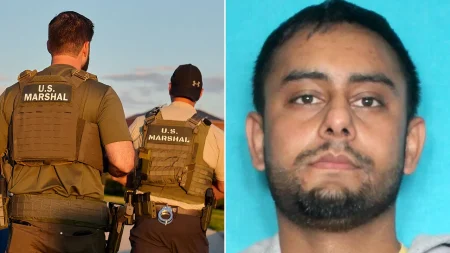
In a tragic incident that has sparked both grief and controversy, 37-year-old Minneapolis ICU nurse Alex Jeffrey Pretti lost his life during a Border Patrol operation early Saturday morning. The American Federation of Government Employees (AFGE) identified Pretti as one of their union members, adding a complex layer to an already sensitive situation. According to Homeland Security officials, Pretti approached Border Patrol agents while armed with a 9mm pistol during an immigration enforcement operation targeting Jose Huerta-Chuma, an undocumented immigrant with prior criminal charges including domestic assault. Officials claim Pretti “violently resisted” when agents attempted to disarm him, leading to the fatal shooting. Despite immediate medical attention at the scene, Pretti was pronounced dead, leaving a community in mourning and raising questions about the circumstances surrounding his death.
The incident has quickly become a flashpoint in the ongoing national debate about immigration enforcement tactics. AFGE leadership has approached the situation cautiously, noting in their statement that “many of the details remain unclear.” They specifically addressed the Department of Homeland Security’s claim that Pretti was brandishing a weapon at officers, stating that “based on the video currently available, that claim is not clearly established.” The union acknowledged the complexity of the situation, particularly given that both the deceased and potentially the agent who fired the fatal shot might be AFGE members. Their statement struck a tone of restraint, urging people to wait for verified facts before drawing conclusions while expressing profound sorrow: “What we do know is this: a member of our union lost their life today, and that alone is devastating.”
The shooting occurred against a backdrop of heightened tensions in Minneapolis regarding immigration enforcement operations. Just one day before the incident, approximately 50,000 Minneapolis residents had participated in a peaceful general strike protesting what some have characterized as federal overreach in immigration operations. This context helps explain the swift and passionate response from various community organizations following Pretti’s death. Among the most vocal has been Common Defense Civic Engagement, the nation’s largest grassroots organization of veterans and military families. Their communications director, Jacob Thomas—himself an Air Force veteran and Minneapolis resident—issued a strong statement declaring that Pretti “should still be alive” and describing the federal agents’ actions as part of an “authoritarian overreach.”
The Minneapolis community’s response reflects deeper concerns about the nature and scope of immigration enforcement operations under the current political climate. Common Defense’s statement went further than most, explicitly calling for “an immediate suspension of all ICE operations in Minnesota and throughout the country before any more of our neighbors are murdered by Trump’s intimidation force.” This language reveals the extent to which immigration enforcement has become deeply politicized, with some viewing enhanced operations as necessary security measures and others seeing them as excessive and potentially dangerous federal intrusions into local communities. The reference to Minneapolis residents joining a “peaceful general strike” the day before Pretti’s death suggests a community already mobilized around these issues, making the fatal shooting even more politically charged.
Local political reactions have also highlighted ideological divisions regarding immigration enforcement. A Democratic Socialist city council member reportedly criticized both Minneapolis Mayor Jacob Frey and Governor Tim Walz for not doing enough to stop what they characterized as an ICE “occupation” of the city. Meanwhile, others have placed responsibility on Minneapolis leadership for creating conditions that led to the confrontation. These contrasting perspectives underscore how incidents involving federal immigration enforcement often become immediate flashpoints in broader political battles about immigration policy, federal authority, and local governance. As investigations into the exact circumstances of Pretti’s death continue, these competing narratives will likely shape public perception of the incident.
What remains undisputed is the human tragedy at the center of this developing story. Alex Jeffrey Pretti, described as an ICU nurse, represents one of the countless healthcare professionals who have served their communities during particularly challenging times. His death has left colleagues, family members, and community members grieving while simultaneously navigating complex questions about accountability, law enforcement tactics, and immigration policy. As AFGE leaders noted in their statement, hearts are “heavy” and many are “deeply stricken by this tragedy.” While investigations proceed and political debates continue, the loss of a healthcare worker in such circumstances serves as a somber reminder of the real human costs that can arise when contentious policy issues manifest in community confrontations. Minneapolis officials, federal authorities, and community leaders now face the difficult task of addressing both the specific circumstances of this incident and the broader tensions that formed its backdrop.