






Aldrich Ames: The Fall of a CIA Turncoat Who Changed the Course of Cold War Intelligence
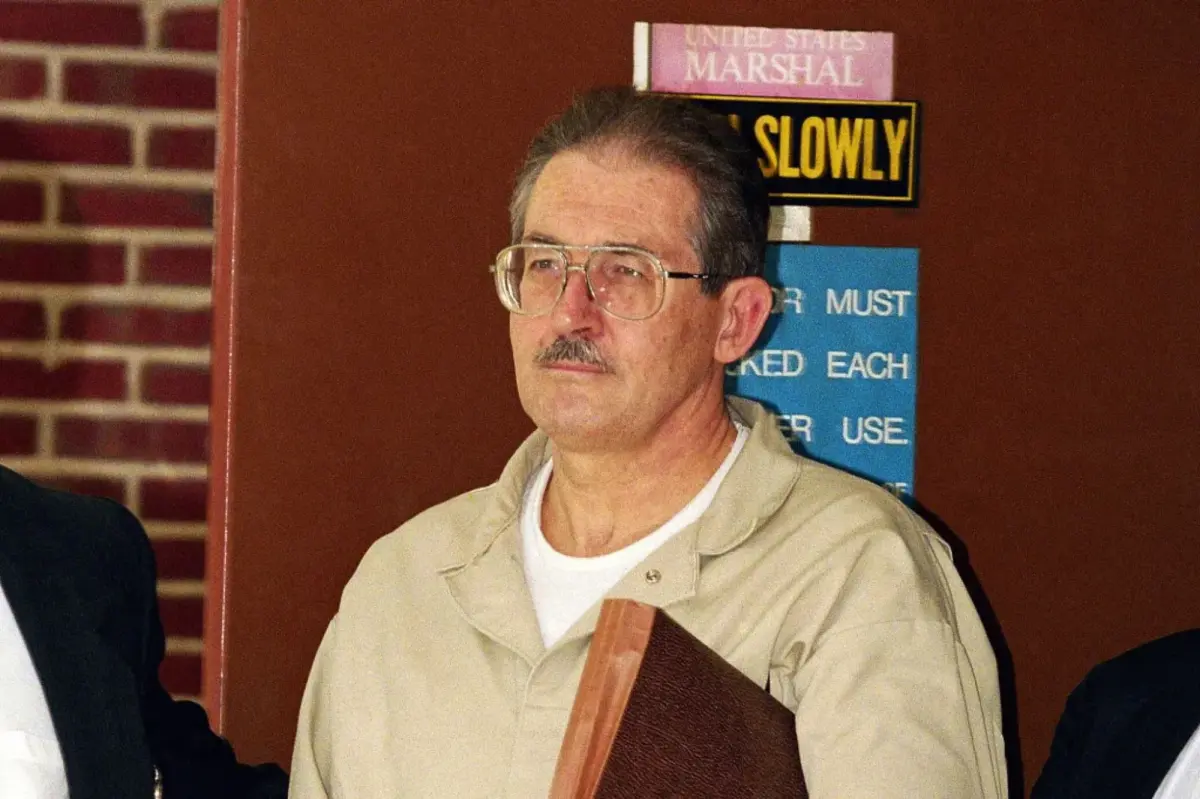
In a quiet prison facility in Maryland, one of America’s most notorious spies took his final breath this week. Aldrich Ames, the CIA officer whose betrayals led to the execution of at least 10 Western intelligence assets and fundamentally damaged U.S. intelligence operations, died Monday at age 84. His death closes a painful chapter in American intelligence history—one that exposed critical vulnerabilities in agency vetting procedures and raised profound questions about the human factors that lead trusted officials to betray their country. For nine years, from 1985 until his arrest in 1994, Ames sold some of America’s most sensitive secrets to the Soviet Union and later Russia, receiving approximately $2.5 million for his treachery. The human cost of his betrayal was immeasurable: identified agents behind the Iron Curtain were executed, carefully cultivated intelligence networks collapsed, and decades of painstaking work by U.S. intelligence officers was undermined in what many experts consider one of the most devastating intelligence breaches in American history.
What makes Ames’s case particularly disturbing was his extensive insider knowledge and the duration of his betrayal. As a 31-year CIA veteran working in the Soviet/Eastern European division at Langley headquarters, Ames occupied positions of significant trust. His career path provided him exceptional access to the identities of Russians and Eastern Europeans who had taken enormous personal risks to provide intelligence to the United States and Great Britain. Beyond human assets, he revealed details about spy satellite operations, eavesdropping capabilities, and general intelligence procedures that compromised American collection efforts across multiple domains. While U.S. intelligence officials worked desperately to understand why so many of their sources were suddenly being discovered and eliminated, Ames continued passing information to Moscow both during a posting in Rome and after returning to Washington. The nine-year intelligence hemorrhage occurred alongside the parallel betrayals of FBI agent Robert Hanssen, creating a perfect storm that severely undermined Western intelligence capabilities at a crucial moment in Cold War history.
In attempting to explain his motives during court proceedings, Ames expressed “profound shame and guilt” for his “betrayal of trust,” attributing his actions primarily to financial troubles and mounting debts. Yet in the same statements, he displayed a remarkable moral detachment from the consequences of his actions, claiming he did not believe he had “noticeably damaged” the United States or “noticeably aided” Moscow. Even more revealing was his dismissal of human intelligence operations as a “sideshow which had no real impact on our significant security interests over the years,” suggesting a deep cynicism about the very profession to which he had dedicated his career. This contradiction—between acknowledging guilt while minimizing harm—offers a glimpse into the complex psychological mechanisms that allowed Ames to continue his double life for nearly a decade, compartmentalizing his actions even as people whose identities he revealed faced execution.
The Ames case exposed significant structural and procedural weaknesses within the CIA. Despite exhibiting numerous red flags—including unexplained wealth that allowed him to purchase a $540,000 home in cash and drive a Jaguar—Ames repeatedly passed security reviews. His lavish lifestyle far exceeded his government salary, yet these discrepancies went uninvestigated for years. According to subsequent analyses, Ames’s heavy drinking problems and financial difficulties should have triggered closer scrutiny under standard counterintelligence protocols. The fact that such obvious warning signs were overlooked raised serious questions about the agency’s internal security measures and prompted significant reforms in vetting procedures and lifestyle monitoring for individuals with access to sensitive information. The case remains a powerful cautionary tale used in training intelligence officers about the importance of vigilance and the potential warning signs of compromise.
The human dimension of the Ames case extended to his family relationships as well. His wife, Rosario Ames, became entangled in his espionage activities and eventually pleaded guilty to lesser charges, receiving a 63-month prison sentence. Their story highlights how espionage often extends beyond the individual spy to impact family members, creating complex webs of complicity, knowledge, and consequences. For counterintelligence professionals, the involvement of Rosario Ames underscored the importance of examining the entire personal network surrounding intelligence officers, recognizing that spouses and family members can either be vulnerabilities or, as in this case, active participants in espionage. The couple’s case study continues to inform how intelligence agencies approach the assessment of potential insider threats, emphasizing that betrayal rarely occurs in isolation but frequently involves enabling relationships and circumstances.
With Ames’s death in prison, where he was serving a life sentence without possibility of parole, a significant era in American intelligence history comes to a close. His legacy is one of profound damage—to national security, to intelligence capabilities, and most tragically, to the brave individuals who lost their lives after he revealed their identities. Yet there is also a legacy of reform, as the intelligence community implemented substantial changes to prevent similar breaches in the future. The Ames case fundamentally altered how American intelligence agencies conduct internal security, approach counterintelligence, and monitor personnel with access to sensitive information. While nothing can undo the damage he caused or bring back those who died because of his betrayal, the painful lessons learned from the Aldrich Ames case continue to shape intelligence practices and security protocols to this day. His story remains a sobering reminder of the devastating consequences when trust is betrayed at the highest levels of national security—and of the critical importance of the systems designed to prevent such betrayals from occurring.