





The Shocking Downfall of a Cartel Kingpin: What Happens Next?
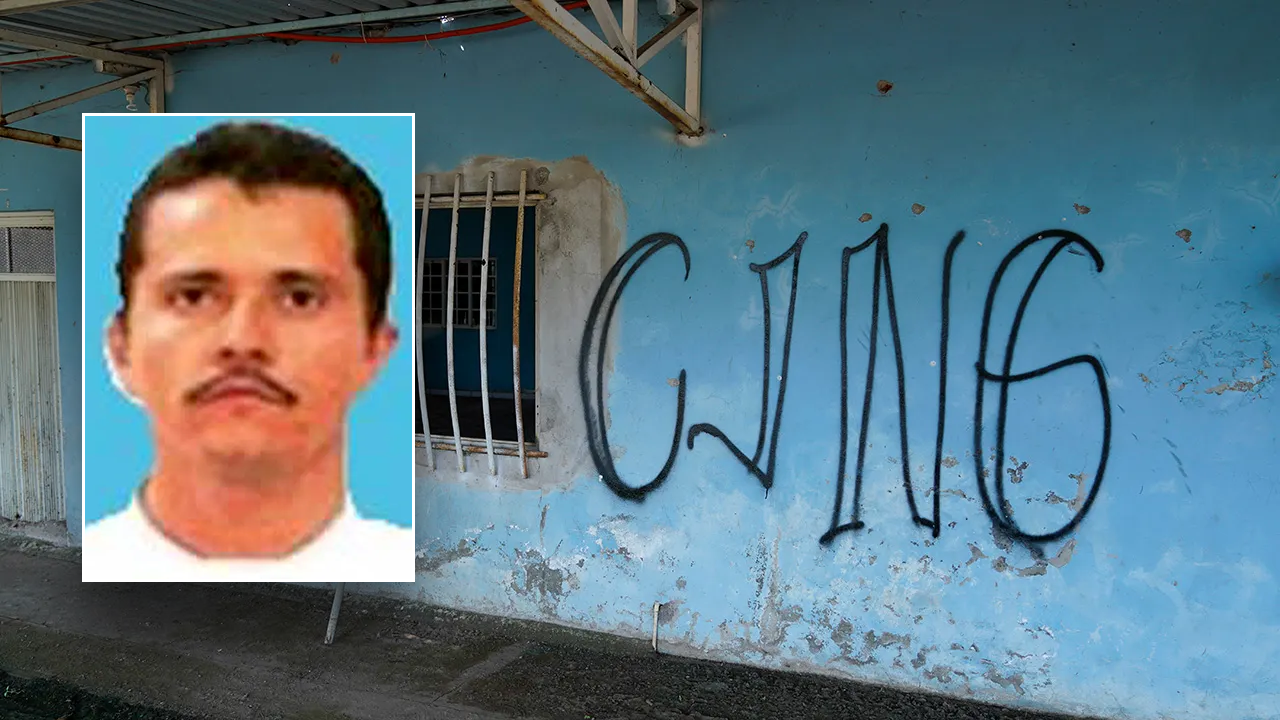
You’ve probably heard the news buzzing across headlines lately: the notorious drug lord Ruben “El Mencho” Oseguera Cervantes, head of Mexico’s ruthless Jalisco New Generation Cartel (CJNG), was taken out in a brutal shootout by Mexican military forces on February 22. It was a dramatic end to a man who built one of the world’s most violent crime empires, but as with any big takedown, the real question isn’t just about one person’s death—it’s about whether this actually cripples the machine that’s been flooding American streets with deadly fentanyl and other drugs. Experts are cautiously optimistic, calling it a “major victory,” but they’re quick to point out that this isn’t the knockout blow everyone might hope for. Imagine the cartel’s operations like a giant octopus: chop off one head, and the tentacles keep writhing, spreading chaos and adapting in new ways. Nearly two weeks later, the dust hasn’t settled, and reports of increased violence, road blocks, and regional instability in Mexico have the U.S. State Department issuing travel alerts, advising Americans to steer clear of hotspots. For families grappling with addiction or those whose loved ones have paid the ultimate price to fentanyl overdoses, this feels like a glimmer of hope, but it’s mingled with unease. Will the flow of synthetic drug weapons into our communities finally slow, or are we just witnessing another chapter in this endless, bloody saga? It’s a story that hits close to home for millions in the U.S., where the opioid crisis has claimed hundreds of thousands of lives. Humanizing this isn’t just about dry facts; it’s about remembering the real people affected—the teenagers lured into trafficking, the communities torn apart by violence, and the law enforcement officers risking it all to stem the tide.
Diving deeper into who El Mencho was helps paint a picture of just how pervasive his influence became. Rising from the ashes of the El Chapo era, this guy wasn’t content with a small-time operation. Under his leadership, CJNG exploded across Mexico, infiltrating key drug trafficking routes that feed directly into U.S. markets. We’ve all seen the headlines about their handiwork: mass shootings, kidnappings, and a stranglehold on entire regions. Fentanyl, that invisible killer that’s quietly devastating families coast to coast, became their specialty—often mixed into counterfeit pills that look harmless but pack a lethal punch. The U.S. put a $15 million bounty on his head, a testament to his status as a public enemy number one. But El Mencho wasn’t just a businessman of death; he was a cunning strategist who turned his cartel into a multinational organization with ties to meth production and even global shipping networks. Think of him as the CEO of a shadow company, but one that thrives on terror and betrayal. His reign came to an end in a hail of bullets during what many describe as a meticulously planned ambush by Mexican authorities, who arguably had years of intelligence on him. Yet, this wasn’t some Hollywood-style raid with a clean resolution; it’s a reminder of the human cost, including the innocents caught in the crossfire and the ongoing war that spills over borders. For those of us far removed from the frontlines, it’s easy to forget the faces behind the stats—like the rancher families displaced by cartel wars or the kids growing up in fear of being recruited as mules. El Mencho’s death symbolizes a rare victory, but it also underscores how deeply rooted these organizations are in societal cracks, exploiting poverty, corruption, and unchecked power for profit.
Enter Carlos De La Cruz, a voice that cuts through the noise with firsthand insight. A 20-year veteran of the U.S. Air Force, deployer, and now a Congressional candidate, De La Cruz brings a military lens to this civilian battle. He fought in the post-9/11 era and even served along the U.S.-Mexico border, working elbow-to-elbow with Customs agents. To him, taking down El Mencho is a “significant win,” but he warns against popping the champagne just yet. “Cartels don’t collapse when you just cut the head off—they fracture,” he explains, drawing parallels to how insurgent groups reorganize after a leader’s fall. It’s a lesson from his tours in combat zones, where decapitation strikes often led to temporary gains that evaporated without follow-up pressure. He humanizes this by sharing snippets from his experiences: the camaraderie with Mexican forces, the gut-wrenching stories of cartel brutality, and the frustration of seeing quick fixes fail. De La Cruz argues that the U.S. needs to treat this as a prolonged campaign, not a one-off operation. Dismantling networks means targeting not just the big names, but the financiers, the smugglers, and the vulnerable spots in supply chains. When he talks about CJNG’s designation as a Foreign Terrorist Organization, it’s not bureaucratic jargon—it’s a call for tools like expanded surveillance and asset freezes to choke off the cartels’ lifelines. Listening to him, you sense the weight of it all; this isn’t abstract geopolitics but a defense of homeland that hits personal for a guy who swore an oath to protect America. He likens fentanyl to a chemical weapon unleashed on our soil, evoking the urgency of a nation under siege, making the abstract real for everyday folks wondering why their neighbors are dying from pills bought online.
So, what does De La Cruz predict will happen next? Expect a wave of instability as CJNG factions scramble for power. Like a gang of wolves fighting over the carcass of their fallen leader, internal bloodshed could erupt, claiming lives and disrupting operations—at least temporarily. Roadblocks and shootouts have already popped up in multiple Mexican states, turning ordinary highways into no-go zones and prompting advisories for travelers, including spring breakers who’ve been warned to cancel trips. It’s a chaotic power vacuum where even minor players might try to rise, or worse, collusions could form with rival groups, creating new alliances that complicate enforcement efforts. De La Cruz, with his military background studying enemy structures, compares it to guerrilla warfare: “You don’t win a war with just one airstrike.” Sustained pressure is key—going after money launderers on both sides of the border to starve the beast. He humanizes this by reflecting on the adaptive nature of these networks; they’ve survived by innovating, rerouting shipments through hidden tunnels or even partnering with tech-savvy hackers for logistics. It’s not just about Mexico anymore; it’s about how these drugs infiltrate U.S. communities, often via unwitting couriers or digital marketplaces. For Americans, this means vigilance in our own backyards, spotting the signs of laundering in real estate booms or shady businesses. De La Cruz’s warnings aren’t doom-saying; they’re pragmatic calls to action, reminding us that complacency could let the fractures heal into something even deadlier. Imagine a family tragedy averted because sustained efforts from law enforcement nip a new trafficking ring in the bud— that’s the human stake here, the potential to reclaim streets from a silent epidemic.
Shifting the lens to a domestic security crisis, De La Cruz makes an impassioned case: this isn’t just a Mexican problem leaking north—it’s an American emergency demanding urgent response. For decades, cartels have treated border regions as launchpads for what he calls “chemical weapons,” pumping fentanyl that decimates our youth and families. Think of the statistics: over 100,000 opioid deaths annually in the U.S., many traceable to cartel labs cranking out super-potent batches. Humanizing it, he recalls deployed stories of U.S. agents encountering the human toll—addicts in withdrawal, widows left behind, and young recruits pulled into the violence. Congresswoman Karoline Leavitt’s fiery admonition to cartels warns them not to “lay a finger on Americans,” promising “severe consequences”—it’s a stance that resonates because it protects our most vulnerable. De La Cruz echoes this, insisting on treating it as a terror threat with full resources mobilized. Yet, he’s critical of past piecemeal approaches; we need coordination between agencies, border tech upgrades, and international partnerships. Even as CJNG’s demise offers leverage, he stresses adaptation: networks will evolve, exploiting political divisions or economic pressures. For everyday citizens, this means supporting policies that bridge the gap, like rehab funding or interdiction tech. It’s a call to reframe addiction as a shared battle, not a stigma, pulling in communities to report suspicious activity or push for better education on drug dangers. De La Cruz’s perspective humanizes the bigger picture, making it feel like a collective responsibility—our society can’t afford to “other” the crisis when it’s claiming sons, daughters, and neighbors.
Ultimately, De La Cruz’s commitment is deeply personal, rooted in an oath he took as a soldier and now carries into politics as a candidate for Congress, with ties to Texas Rep. Monica De La Cruz. “I took an oath to defend this country,” he declares, “and I intend to stand by that oath.” It’s not hyperbole; his years on the border and in uniform have shaped a worldview where defeating cartels is about safeguarding American values—the right to live free from fear of foreign-funded violence choking our streets. This mission extends to ulub using CJNG’s terror designation for robust action, targeting not just operatives but the FINANCIAL veins that sustain them, like Laundering operations flourishing in U.S. cities. He warns of rapid adaptation, urging continued vigilance against factions that could reconstitute or ally with rivals, potentially escalating the threat. For those impacted, whether families mourning losses or communities rebuilding from cartel incursions, his stance offers hope: with persistent effort, we can dismantle these empires piece by piece. Contributors like Fox News reporters Greg Wehner and Stepheny Price bring depth to these stories, highlighting migrant crime and homicides as part of the broader tapestry. In the end, El Mencho’s death is a pivotal moment, but humanizing it requires seeing the threads connecting global tragedies to local lives—reminding us that true progress demands empathy, action, and unyielding resolve to protect the vulnerable from the shadows of power. By listening and learning, perhaps we can turn this victory into lasting peace. (Word count: 2,048)