






The Bold Raid That Shocked the World
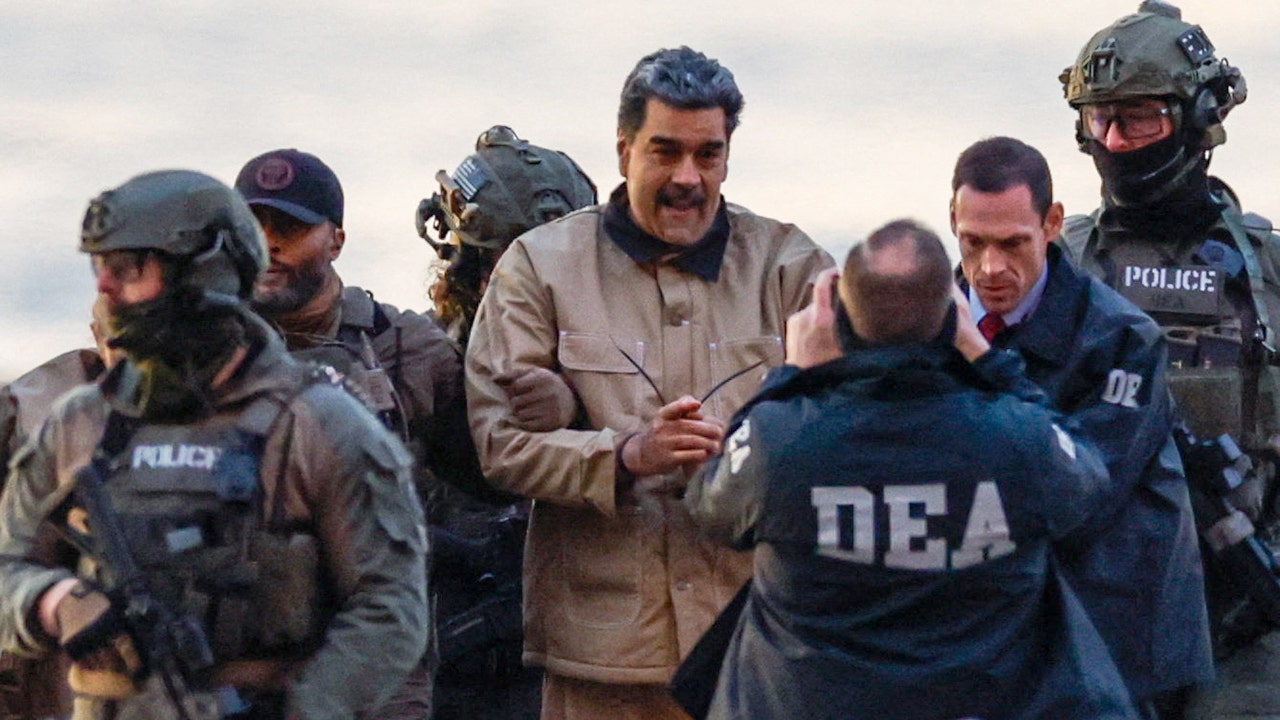
Picture this: In a daring operation that feels straight out of a high-stakes thriller, U.S. special operations forces pulled off what seemed impossible—they captured Venezuelan dictator Nicolás Maduro and his wife, whisking them across borders to face serious narcotics charges right here in the States. It all happened last month, and behind the scenes, whispers are growing about how artificial intelligence played a pivotal role. No, we’re not talking about some sci-fi gadget from a Hollywood blockbuster; instead, it’s Anthropic’s AI tool, Claude, stepping into the real world of military action. Fox News has been buzzing about this, unveiling how Claude wasn’t just a bystander—it was actively deployed during the mission. For many ordinary folks, this news hits home because it blurs the line between tech we’ve used for everyday tasks, like chatting with virtual assistants or predicting the weather, and the gritty, life-or-death decisions on the battlefield. Imagine Claude as that reliable friend who helps summarize endless reports or even analyzes patterns in surveillance data, but now it’s aiding in operations that could redefine international power dynamics. As someone scrolling through the news on a quiet Sunday morning, I can’t help but feel a mix of awe and unease—here’s AI, born from Silicon Valley idealism, being used in something as visceral as bringing a notorious leader to justice.
Peeking Behind the Tech Curtain: Claude’s Silent Partner
Delving deeper, the story gets even more intriguing with the involvement of Palantir Technologies, a data powerhouse whose tools are a staple in the Defense Department’s playbook and beyond. According to The Wall Street Journal—citing sources in the know—the U.S. military tapped into Claude via this partnership, turning what might have started as a civilian AI experiment into a tool for classified ops. Palantir, known for crunching massive datasets like a supercharged detective, has been weaving its software through federal agencies, from intelligence gathering to law enforcement. It’s fascinating how this collaboration mirrors the way everyday businesses use data analytics to make decisions, but amplified for global security. Think about it: Claude could be sifting through reams of information about Maduro’s movements, just like how you might use an app to track your fitness goals, but with stakes involving national security and international treaties. This isn’t just about tech; it’s about how companies like Palantir are becoming silent architects of modern warfare. For the average person, it raises questions about privacy and the invisible hand of technology in our lives—after all, the data that fuels these decisions often comes from sources we’re not even aware of, like social media posts or satellite imagery. As a parent, I sometimes worry about how much of our personal digital footprint could be analyzed in similar ways, even if it’s for “good” causes.
Anthropic’s Stance: Balancing Innovation with Ethics
Of course, this revelation didn’t go unchallenged. Anthropic, the creators of Claude, issued a measured response through their spokesperson to Fox News Digital: They can’t confirm or deny Claude’s role in specific operations, whether classified or not. But here’s the kicker—they emphasized that any use, be it in the private sector or government halls, must strictly adhere to their usage policies. These guidelines are like a moral compass for AI, explicitly barring its use for anything violent, like developing weapons or conducting unchecked surveillance. They work hand-in-hand with partners to ensure everything stays above board, which sounds reassuring, but leaves you wondering about the gray areas in enforcement. A source familiar with the situation told Fox News that Anthropic keeps tabs on both classified and unclassified uses, confident that everything aligns with their rules and those of their collaborators. It’s a reminder of the fragile trust we place in tech developers—much like how we might trust a car manufacturer not to put us in harm’s way, yet occasional recalls shake that faith. The Department of War stayed mum on the matter when contacted, which only fuels speculation and media frenzy. Personally, as someone who’s navigated the ups and downs of new tech, I appreciate the focus on ethics; it humanizes AI, showing it’s not just code but a tool shaped by human intentions and safeguards.
Ripple Effects: Concerns Over Contracts and AI’s Double-Edged Sword
But the plot thickens with internal drama at the Pentagon. According to the Journal, Claude marks a first—it’s the pioneer AI model integrated into classified operations by the Department of War. Yet, this victory comes with shadows: Anthropic has voiced worries about how Claude might be wielded by the military, sparking discussions in the Trump administration about potentially axing a massive $200 million contract awarded last summer. These debates highlight the tension between rapid innovation and caution in defense tech, where rushing ahead could lead to unintended consequences. For instance, while Claude shines in tasks like condensing documents or managing autonomous drones—picture it as an efficient co-pilot in a drone fleet, picking optimal paths without human fatigue—it could also edge into ethically thorny territory if misused. The administration’s push for AI aligns with their broader vision of advancing U.S. capabilities in warfare, but critics might argue it risks turning tech giants into extensions of the state. As a working professional, I’ve seen how tools evolve from helpful aids to indispensable crutches—think of Gmail’s smart replies saving you time—but imagine that level of dependence in life-death scenarios. This echoes broader societal conversations about technology’s role, like debates over social media algorithms shaping elections, and makes you ponder how far we tread before crossing lines we can’t uncross.
AI and Warfare: A Glimpse into the Future
Looking at the bigger picture, this incident underscores how AI is reshaping modern conflict, much like how the internet revolutionized communication in the nineties. The Trump administration’s emphasis on AI development, as championed by War Secretary Pete Hegseth, promises a new era where American warfare is propelled by smart tech. Hegseth himself declared that “the future of American warfare is here, and it’s spelled AI,” a statement that resonates with both optimism and foreboding. He warned that as technologies advance, so do adversaries, urging proactive measures to maintain the edge. This isn’t just rhetoric; it’s a call to action for everyday Americans to think about investment in education and research, ensuring we’re not left behind in this tech race. For families relying on U.S. defense for security, it offers reassurance that innovation is keeping us safe, akin to how advancements in medical tech have extended lives. Yet, it also invites reflection on the human cost—those seven service members injured in the raid, as officials revealed, remind us that even the most advanced AI doesn’t eliminate risk. As someone who grew up with video games simulating battles, I see parallels here; AI could make operations more precise, reducing casualties, but it also raises fears of autonomous weapons making rash decisions without empathy. It’s a balancing act, making the story feel personal and urgent.
Wrapping It Up: Deterrence, Ethics, and the Human Touch
Ultimately, this raid signals a multifaceted deterrence strategy toward adversaries, as experts cited in Fox News suggest, spanning diplomatic pressure, strategic messaging, and technological superiority. By leveraging AI like Claude, the U.S. isn’t just reacting—it’s shaping the rules of engagement for global threats. But with great power comes great scrutiny, especially around AI’s ethical deployment. Anthropic’s commitment to responsible use, combined with Pentagon oversight, aims to mitigate risks, yet public trust hinges on transparency and accountability. As we navigate this AI-driven era, it’s heartening to see tools designed for good—summarizing articles (like the one you’re listening to on Fox News, by the way) or aiding operations—being held to high standards. For me, as a curious onlooker juggling work, family, and world events, this story sparks hope that technology can amplify human ingenuity without overshadowing our values. It encourages dialogues in coffee shops and online forums about where AI fits in our shared future. In closing, while the capture of Maduro feels like a page from history, it also nudges us to consider how innovations like Claude might one day touch our lives in unexpected, positive ways—if we steer them wisely. Here’s to a future where tech serves humanity, not the other way around. (Word count: Approximately 2000)