


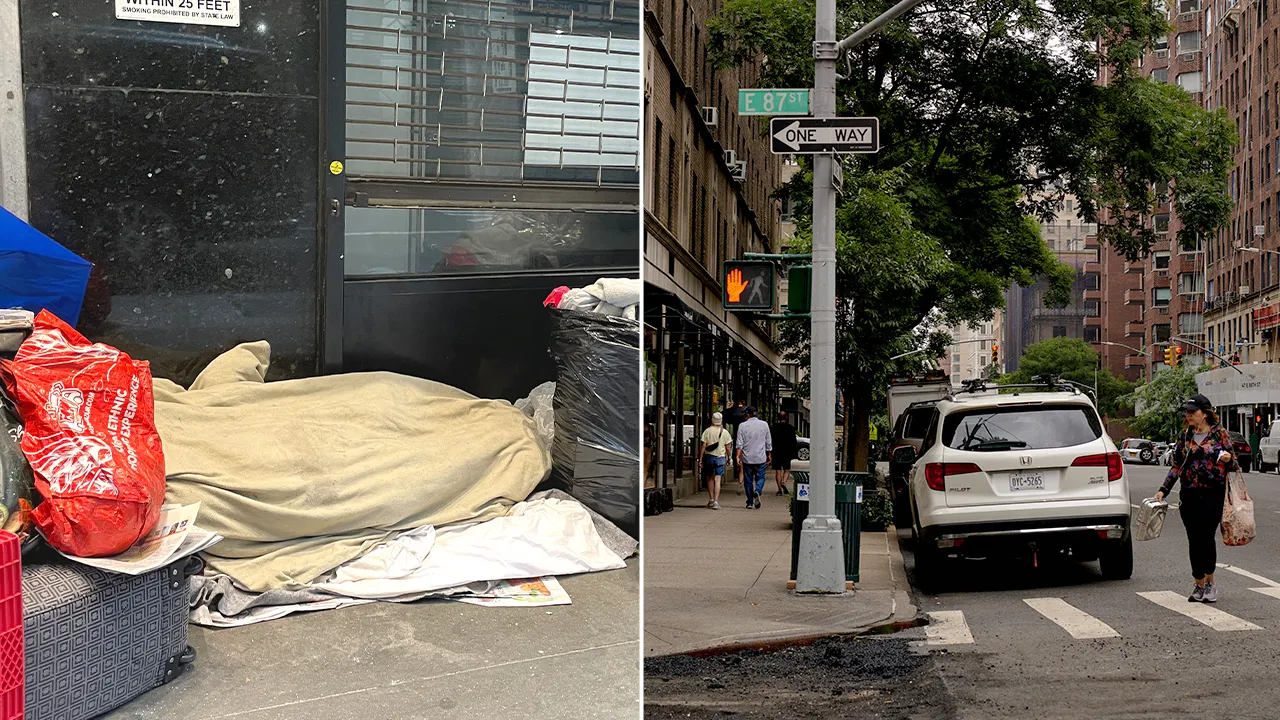
In the heart of New York City’s gleaming Upper East Side, where the privileged enjoy their manicured lives amidst towering brownstones and elite schools, a storm of discontent brewed on a Monday evening at a Community Board 8 meeting. Picture this: affluent residents, many with young families, crammed into a stuffy room at Housing Solutions of New York (HSNY) headquarters, their faces flushed with anger and fear. The issue? A planned women’s homeless shelter, hastily repurposed from a men’s facility after earlier backlash, set to house up to 250 vulnerable women starting around April. From the outset, the meeting felt like a powder keg—voices rising in protest, accusing city officials of shady dealings, rushing the project to line developers’ pockets while bulldozing community voices. It wasn’t just any shelter; rumors swirled that this was about profit over people, the kind of bureaucratic fast-tracking that leaves neighborhoods feeling betrayed. I remember sitting there, the air thick with tension, as one resident after another lambasted the decision, their words echoing the deeper anxieties of a city grappling with homelessness amid soaring luxury living.
Delving deeper into the residents’ grievances, it became clear this wasn’t just about logistics; it was personal. Bonnie Barend, a community stalwart with fire in her eyes, stood up and frankly declared, “What we’re offended by is the lack of notification and the wrong location. It shouldn’t be here.” She wasn’t alone—parents voiced deep worries about safety, pointing to the shelter’s proximity to schools and daycares. Imagine dropping your kids off for preschool, only to glance over at a facility buzzing with newcomers who might have complex histories. And the timing? Oh, it was infuriating. Along with other locals, they alleged the city insiders deliberately sabotaged input, flipping the script from shelving the project indefinitely in early 2025 to dropping it like a bombshell in January 2026 as “nearly complete.” With just weeks to organize, families felt ambushed, their trust shattered. Barend went further, calling out officials for speaking down to “these great citizens here tonight” who genuinely cared about their community’s fabric—its safety, its vibe. As she spoke, you could sense the raw emotion, the sense of violation that comes when top-down decisions trample grassroots concerns, making everyday folks feel like pawns in a bigger, less compassionate game.
On the other side of the divide, city representatives and a few sympathetic locals pushed back, painting a portrait of grim necessity in a metropolis starved for humane solutions. They argued that districts like this one, flush with wealth but woefully short on homeless services, desperately needed places like this to prevent tragedies on the streets. To quell fears, board members outlined what they called ironclad security: armed guards keeping watch around the clock, strict curfews to maintain order, and a total ban on women with certain criminal backgrounds—especially those on probation or parole for sex offenses, given the schools nearby. It was their way of saying, “We’re not reckless; we’re responding to a crisis.” Yet, as Dr. Xellex Rivera, HSNY’s Chief Program Officer, tried to explain their vetting process—just asking about criminal history, not full background checks—the room exploded. “Unacceptable! That is not a background check,” one distraught resident shouted, and honestly, the crowd’s outrage felt justified; in a community valuing protection above all, half-measures seemed like code for inviting trouble. Rivera conceded the point, agreeing wholeheartedly but explaining logistical hurdles—access to sex offender registries was possible, but comprehensive checks were off-limits, leaving a nagging gap in assurances.
Tensions escalated as residents aired even quirkier, yet deeply felt concerns, revealing the underbelly of urban anxieties. Nestled near the shelter site was a legal cannabis dispensary and a Home Depot, sparking wild hypotheticals: what if shelter residents bought tools that could be weaponized in a heated moment? “Guards should be armed,” one father pleaded, his voice trembling with memories of a harrowing incident at a Long Island City shelter where children’s safety was compromised. It highlighted a broader narrative—that in a city where homelessness touches everyday life through encampments and evictions, these facilities aren’t abstract; they’re potential flashpoints. As moderators tried to corral the chaos, shouting matches erupted, with one resident bellowing at chairperson Valerie Mason, “You’re not advocating for us!” It was raw, unfiltered democracy in action, where real people with real stakes clashed over resources and rights, exposing how homelessness policies ripple into the safest enclaves, turning neighbors into foes over fears of drugs, crime, or upheaval.
Amid the cacophony, the moderator intervened with a pragmatic plea: “There are valid concerns being expressed, but if you’re going to yell at me, it doesn’t help to get them aired.” It underscored the messy reality of these gatherings—passionate outbursts needed channeling, not silencing, to foster dialogue. Board member Todd “TJ” Stein captured the collective disappointment, lamenting, “This was just unfortunately, not a really well-run meeting. And that just sucks… we as a community had three weeks to basically be thrown this information.” It felt like a missed opportunity, where transparency could have defused conflict, but instead, haste bred resentment. Stein’s words resonated with many in the room, illustrating how New York’s housing crises—fueled by policies like those from Mayor Mamdani, who’s drawn criticism for tenant nightmares and halting encampment clearings—often leave communities like this one scrambling, feeling powerless against systems prioritizing speed over empathy. In a city synonymous with resilience, these Upper East Side voices demanded better, their fury a microcosm of broader battles for humane, collaborative solutions.
Wrapping up with a nod to closure, Valerie Mason addressed the frayed tempers in her final remarks: “I know it didn’t start off that great, but people were a little hot-tempered and not willing to understand how the process works.” It was an olive branch extended in turmoil, acknowledging the human element—emotions run high when safety’s at stake. Yet, beneath the surface, the meeting left lingering questions about New York’s shelter strategy: how do you balance the urgency of homelessness with community consent? Resident stories painted pictures of a city on edge, where policies like the $2.1 million settlements with landlords amid tenant horrors, or the boiling point for small landlords under aggressive housing rules, amplify divides. As the room emptied, I couldn’t help but ponder the humanity at play—affluent protectors guarding their turf, officials juggling crises, and vulnerable women seeking stability. This Upper East Side skirmish wasn’t just about a shelter; it was a snapshot of inequality, demanding we listen, adapt, and foster spaces where everyone feels heard. In the end, it’s these raw, unpolished dialogues that might pave the way for real change, bridging divides one heated meeting at a time.