




A Family Shaped by Adoption and High Expectations
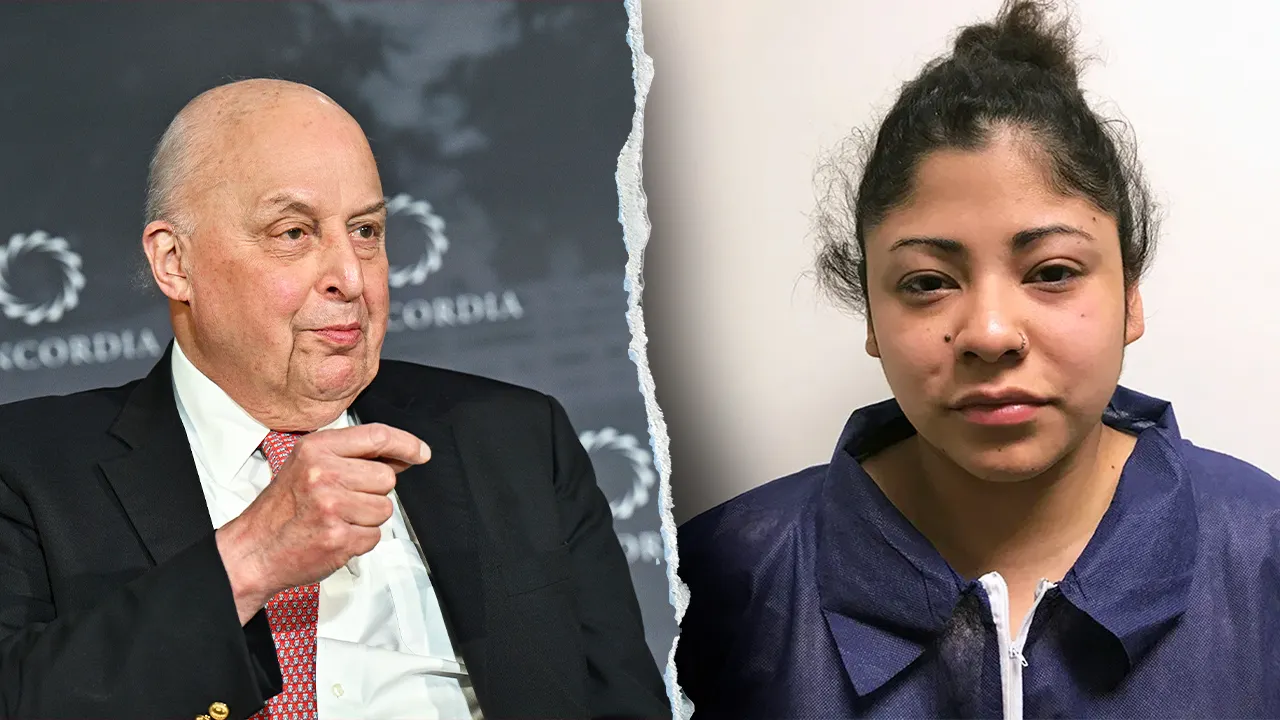
Sophia Negroponte’s story is one of privilege colliding with tragedy, rooted in a family legacy that began in the 1980s. She was one of five Honduran children—orphaned or abandoned—who found a home with John Negroponte, a towering figure in American diplomacy, and his wife Diana. At the time, John was the U.S. ambassador to Honduras, a pivotal role that exposed him to the nation’s hardships. Sophia grew up in an environment of immense accomplishment; her adoptive father would go on to serve as the nation’s first Director of National Intelligence under President George W. Bush after 9/11, and later as deputy Secretary of State. He also held ambassadorships in Mexico, the Philippines, the United Nations, and Iraq. Sophia, with her educated upbringing in Washington, D.C., attended prestigious schools and seemed destined for a life of stability. Yet, beneath the surface, she grappled with the complexities of her identity—a Honduran-born adoptee navigating adolescence and young adulthood in elite circles. Her friends, like Yousuf Rasmussen, were from similar backgrounds, high school acquaintances who maintained intermittent contact into adulthood. This background paints a picture of a young woman who, despite her advantages, struggled with inner turmoil, as if the weight of her family’s expectations clashed with personal demons.
A Night of Revelry Turns Into a Nightmare
On that fateful February night in 2020, Sophia, then 27, rented an Airbnb in Montgomery County, Maryland, to host a gathering that should’ve been lighthearted. She and Yousuf Rasmussen, a 24-year-old friend from their Washington high school days, along with another person, indulged in drinking. What started as catching up over laughs and memories quickly devolved into heated arguments—twice that evening. Details from the state’s attorney’s office reveal the tensions were triggered by trivial grievances, those “silly issues” that often escalate under the haze of alcohol. Rasmussen stormed out at one point, perhaps to clear his head, but returned later to retrieve his cellphone. In that moment of vulnerability, inside the seemingly safe confines of a vacation home, Sophia’s anger boiled over. Witnesses and evidence pieced together a scene of desperation: she lashed out with a knife, delivering multiple stabs, one fatally severing Rasmussen’s jugular vein. It’s hard not to imagine the terror on Rasmussen’s face, the shock of betrayal from someone he once regarded as friendly. Sophia, covered in blood and lying atop him, was found by responding officers, repeatedly crying out apologies. This wasn’t premeditated malice; it was a tragic impulse born of intoxication and unresolved conflicts, turning a reunion into a lifetime-altering horror.
The Aftermath: Confusion, Grief, and Custody
The 911 call flashed an emergency at 11:16 p.m., drawing firefighters and police to the Rockville Airbnb. Sophia appeared disoriented when questioned, her memory fragmented by drink and panic. She remembered arguing but claimed no recollection of the attack, later confessing to pulling a knife from Rasmussen’s neck in a disjointed haze of regret. Rasmussen, pronounced dead at the scene, left behind a grieving family and friends who struggled to reconcile the cheerful host with the perpetrator. For Sophia, the weight of that night was immediate solidarity in handcuffs, facing charges that would define her future. Prosecutors portrayed her as responsible, emphasizing the brutality of the act—a young life extinguished over a dispute that could’ve been diffused. Yet, looking through a human lens, one wonders about her mental state: adopted, perhaps feeling out of place despite her successes, she embodied a mix of privilege and pain. The investigation highlighted how alcohol amplified minor slights into fatal confrontations, a reminder of how everyday choices can spiral into irreversible loss. Her sobs echoed a raw, unfiltered remorse, yet justice demanded accountability.
The First Trial: Conviction and Doubt
In 2023, Sophia stood trial for second-degree murder, a charge reflecting the unintentional but deadly nature of her actions. Jurors, after weighing evidence like the autopsy details and witness accounts, convicted her, leading to a 35-year sentence. The state’s attorney, John McCarthy, hailed it as proportionate, citing the gravity of taking a life. But an appeals court intervened in January 2024, overturning the verdict due to procedural errors. Jurors had been exposed to disputed portions of her police interrogation and testimony that questioned her credibility—perhaps embellished confessions or inconsistencies amplified by her intoxicated state. This set the stage for a retrial, leaving Sophia’s fate in limbo once more. For her family, this must have been agonizing; John Negroponte, a man of stern duty, watched his daughter’s life hang in the balance. Sophia herself faced the psychological toll of public scrutiny, her Honduran roots and high-profile parentage fueling media fascination. The overturned conviction wasn’t about innocence but fairness—the legal system ensuring no one’s story slips through cracks. In humanizing this, it’s poignant to consider Sophia’s isolation in court, a young woman once full of potential now battling the ghosts of that night.
The Retrial and New Sentence: Justice Redelivered
Returning to the Montgomery County Circuit Court this year, Sophia faced a second jury, determined to deliver impartial justice. Judge Terrence McGann presided over proceedings that echoed the first, with evidence replaying the Airbnb scene and autopsy findings. Second-degree murder was once again the charge, encapsulating how her fatal actions, fueled by rage and impairment, crossed into criminal territory. On a Friday in late 2023, she was sentenced to the same 35 years in prison—a mirror image of her initial punishment. Prosecutor McCarthy declared it “appropriate and just,” noting the consensus of two juries after meticulous evaluations. Under Maryland law, this meant no more appeals could easily topple it, cementing Sophia’s reality behind bars through her prime years. For the Rasmussen family, this sentence offered some closure, a measure of accountability for the son lost too soon. Yet, humanizing the moment, one feels the emotional echo: Sophia, now 33, staring down decades of confinement, her youthful errors compounded by a system that doesn’t forgive.
Reflections on a Life Altered Forever
Sophia Negroponte’s case stirs deep thoughts on fate, family, and fragility. Adopted from Honduras, she entered a world of influence, only to fall into personal abyss on a drunken night. Yousuf Rasmussen’s death wasn’t isolated; it was a poignant intersection of lives shaped by shared pasts but diverging paths. Her father’s legacy—appointments by presidents and diplomatic triumphs—contrasts sharply with her downfall, highlighting how privilege doesn’t shield against inner strife. Incidents like this underscore the perils of intoxication in arguments, transforming friends into foes and innocence into incarceration. For readers, it humanizes legal headlines: Sophia isn’t just a convict, but a person marked by loss—her freedom, Rasmussen’s life, and perhaps a fractured sense of self. As she serves her time, one hopes for rehabilitation and understanding, even amid the sorrow. This tragedy reminds us of the battlefield within, where a moment’s rage rewrites histories irrevocably.