




New York City’s Mayor Adams Takes a Stand Against Antisemitism Before Leaving Office
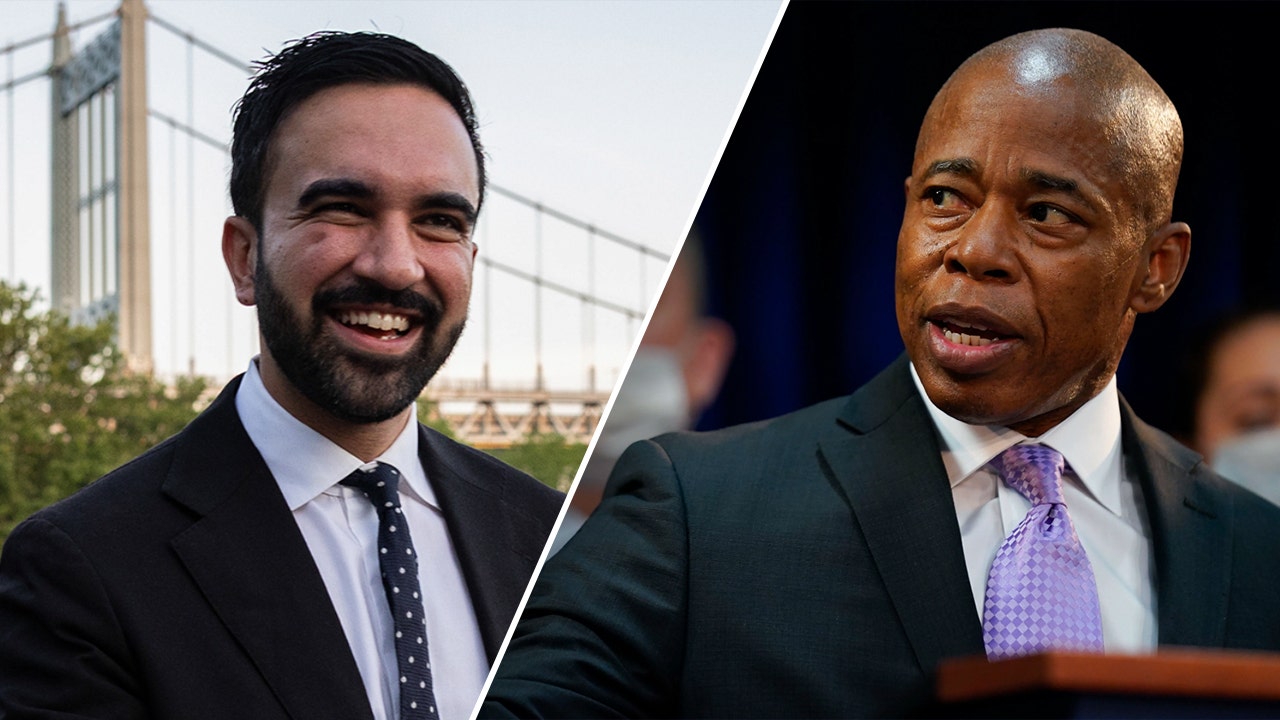
In a significant move during his final weeks in office, outgoing New York City Mayor Eric Adams signed two executive orders Wednesday aimed at combating antisemitism and preventing city funds from supporting the anti-Israel Boycott, Divestment and Sanctions (BDS) movement. The timing of these orders has raised eyebrows, as they appear to set up a potential ideological clash with Mayor-elect Zohran Mamdani, who has openly expressed support for the BDS movement. Speaking at the North American Mayors Summit Against Antisemitism in New Orleans, Adams emphasized the importance of maintaining a strong relationship between New York City and Israel, highlighting his administration’s commitment to protecting religious freedoms and preventing discrimination. These executive orders represent more than just policy decisions—they reflect the ongoing tension in how major American cities approach the complex intersection of international politics, religious protection, and community relations.
The first order directly addresses the city’s financial dealings, barring New York from entering business relationships or making pension investment decisions that discriminate against Israel. This has significant practical implications, considering the city’s massive financial footprint—New York City manages approximately $32 billion in procurement contracts with outside vendors and maintains five pension systems supporting over 750,000 employees, retirees, and beneficiaries with investments approaching $300 billion in global securities, including more than $300 million in Israeli assets. The second order focuses on community safety, directing the New York City Police Department to strengthen enforcement measures protecting synagogues and other religious worshippers from harassment. These measures come in the wake of disturbing incidents, including a recent protest outside a New York City synagogue where participants reportedly chanted “globalize the intifada” and “death to the IDF,” underscoring the real-world concerns that prompted the mayor’s actions. Adams has made it clear that his administration is “ensuring our city government doesn’t participate in that type of behavior and are putting in safeguards that protect New Yorkers’ tax dollars and protect their right to practice their religion without harassment.”
These executive orders place Mayor-elect Mamdani in a challenging position as he prepares to take office on January 1. Mamdani, who has been open about his support for the BDS movement, now faces a decision about whether to maintain or rescind these orders once he assumes leadership of the city. In a November 4 interview with MSNBC, Mamdani defended his support for BDS, characterizing it as a non-violent movement intended to pressure Israel into complying with international law. When asked directly if BDS would be the policy of his administration, Mamdani responded somewhat indirectly, saying he “would support and have supported non-violent movements to bring about compliance with international law” and would bring New York City “back into compliance” where Mayor Adams had “violated and looked to violate that kind of law.” Despite the clear ideological differences with Adams on this issue, Mamdani has insisted that he would be “the mayor for all Jewish New Yorkers,” attempting to address concerns about his stance on issues related to Israel.
The conflict between these two political figures reflects broader tensions in New York City and across the nation regarding how to address antisemitism while also navigating complex international relations. Mayor Adams has been increasingly vocal about his concerns for Jewish New Yorkers’ safety following Mamdani’s election victory, stating during a fireside chat at a Combat Antisemitism Movement event in Tel Aviv last month that “everything is not fine.” This comment, along with his recent executive orders, suggests Adams believes the incoming administration might not maintain the same level of vigilance against antisemitism or support for Israel. The Anti-Defamation League (ADL) has even launched a “Mamdani Monitor” to track the mayor-elect’s actions regarding antisemitism concerns, illustrating the high level of scrutiny his administration will face on these issues from the outset. These developments highlight the challenge of addressing legitimate safety concerns for Jewish communities while respecting diverse political views on international affairs.
Beyond the immediate political implications, these executive orders touch on fundamental questions about the role of city government in international affairs and religious protection. New York City, with its diverse population including one of the largest Jewish communities in the world, has always been a microcosm of global tensions. The Adams administration’s actions suggest a belief that local government has a responsibility to take clear stands on certain international issues when they directly affect city residents. By prohibiting city investments that discriminate against Israel and enhancing protection for religious institutions, Adams is asserting that New York City’s government should actively work to prevent global conflicts from endangering local communities. Following Wednesday’s conference, the mayor emphasized this point on social media, stating that his administration is “governing through the rising tide of hate, fear, and misinformation in our cities so we can better protect ALL communities” and that “we cannot stand by as antisemitism or any other form of hate spreads.”
The debate surrounding these executive orders ultimately reflects deeper questions about how American cities should respond to rising antisemitism while respecting political diversity. Supporters of Adams’ approach argue that clear, decisive action is necessary to protect vulnerable communities and that city governments should not financially support movements that many Jewish residents find threatening. Critics, potentially including Mamdani and his supporters, might counter that boycott movements represent legitimate political expression and that the city should not take sides in international disputes. As New York City prepares for this transition of power, the fate of these executive orders will serve as an early indication of how the Mamdani administration plans to balance these competing concerns. Whatever approach the new mayor takes, it is clear that the issues of antisemitism, religious protection, and international relations will remain at the forefront of New York City politics, with implications that extend far beyond the five boroughs to influence national conversations about these critical matters.