


The Tragic Loss and a Mother’s Heartbreak
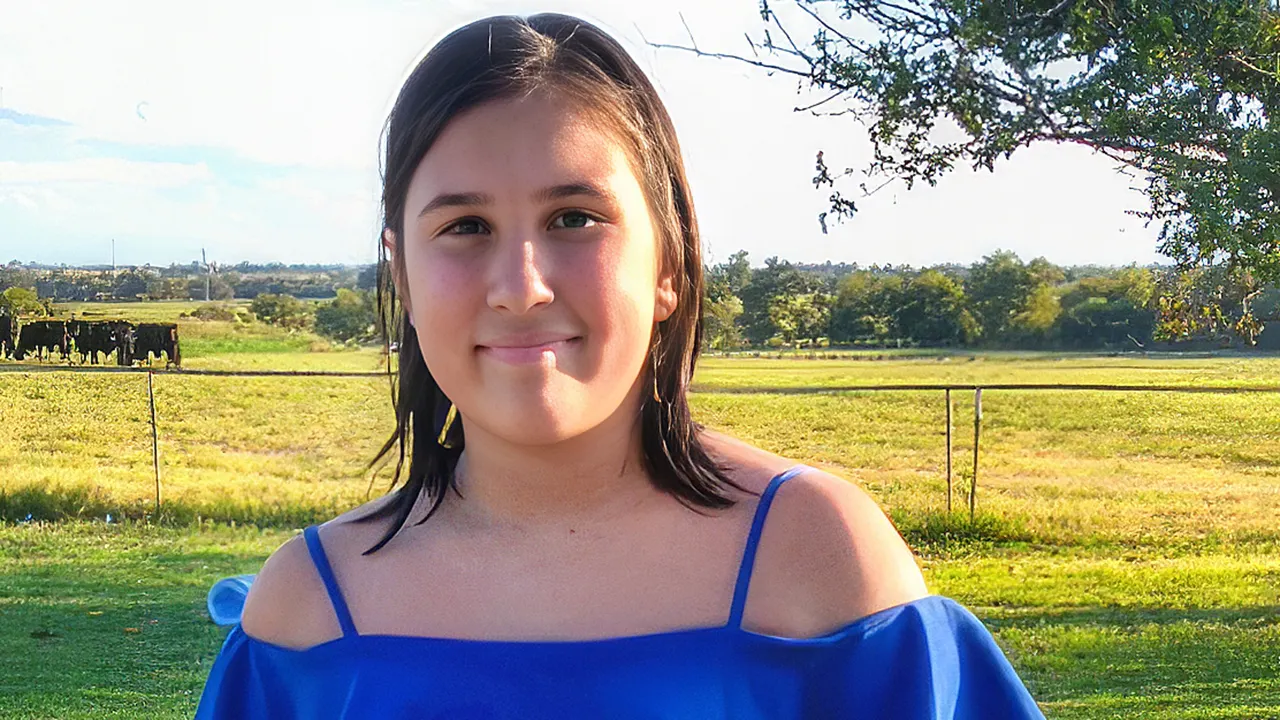
In the quiet town of Stephenville, Texas, a family’s world shattered on February 3 when nine-year-old JackLynn Blackwell became the latest victim of a terrifying social media trend known as the “blackout challenge.” This seemingly innocent viral craze, which has swept through platforms like TikTok, encourages kids and teens to film themselves being choked until they black out, chasing a brief, euphoric “high” from oxygen deprivation. JackLynn, with her bright eyes and boundless energy, was just a typical nine-year-old—full of laughter, curiosity, and a love for playing outside. Her father, Curtis Blackwell, a strong, hardworking man in his late thirties, had built a life focused on family, working long hours to provide a safe, loving home for JackLynn and her siblings. Her mother, grappling with the unimaginable pain of loss, has since become a vocal advocate, her voice trembling with emotion as she recounts the events that led to their daughter’s death. “She was our little light,” she says softly, tears welling in her eyes during interviews. “JackLynn was always so adventurous, climbing trees or exploring the backyard like it was her own kingdom. We never imagined something as stupid as a video game could take her from us.” What began as a normal afternoon—JackLynn heading out to play while her father tidied up inside and her mother chatted with neighbors—ended in horror. The Blackwell family, rooted in faith and community, attended church regularly and emphasized kindness and caution with their children. They owned a modest two-story home surrounded by a lush yard, where JackLynn often pretended to be a princess or a superhero. Now, that same yard, with its flower beds and shaded spots, haunts them as a reminder of the day everything changed. Social media, once a tool for sharing family photos and fun videos, has morphed into a double-edged sword for parents nationwide, turning playful algorithms into life-threatening rabbit holes. JackLynn’s story is not just about one child’s fate; it’s a poignant reminder of the vulnerability of young minds in a digital age where trends can spread like wildfire, unchecked and unrelenting.
The Day Everything Changed: A Father’s Unbearable Discovery
When Curtis Blackwell stepped outside on that fateful day, the February air was crisp but not cold, carrying the faint scent of blooming bushes in their Stephenville yard. He noticed the unusual quiet—a stillness that contrasted sharply with JackLynn’s usual chatter and giggles. “She goes out to play like she always does, out in the yard,” Curtis recalls, his voice heavy with grief. “I thought she was just bending over to pick up a toy or chase a bug, but something felt off.” As a father who cherished weekend barbecues and teaching his daughter to ride a bike, Curtis was protective, always reminding his kids to stay safe near the driveway. He rounded the corner near the carport, expecting to see her bright face, but instead found a sight that would forever scar his soul. JackLynn lay motionless on the ground, a thin cord—likely from a clothesline or backyard play equipment—wrapped tightly around her delicate neck. Her skin was pale, her eyes closed, as if she had simply fallen asleep in an awkward position. Panic surged through him like an electric shock. “JackLynn!” he shouted, rushing to her side, his heart pounding wildly. “I tried everything—unwrapping that cord, calling her name, giving her CPR.” Curtis, a former coach with a steady hand, fought back tears as he pressed rhythmically on his daughter’s chest, his mind racing through memories of her first steps, her first day of school, her infectious laugh. Emergency services arrived within minutes, but it was too late. The medical examiner later confirmed she had strangled herself accidentally, mimicking the dangerous videos she’d seen. For Curtis, a man of few words but deep love, this was his worst nightmare come true. He blames himself for not monitoring her online activity more closely, questioning every parenting decision in the quiet hours of the night. How could a simple backyard game turn deadly? JackLynn’s siblings, too young to fully understand, now wake up crying, asking where their big sister is. The family home, once filled with music and homework battles, now echoes with silence and sorrow.
A Family’s Anguish and a Grandmother’s Warning
JackLynn’s death unfolded in the most innocent of settings after she had shown her grandmother a video of the blackout challenge. The elderly woman, a pillar of the family with her homemade cookies and bedtime stories, was horrified by the content—kids purposefully choking themselves with belts or ropes, gasping and smiling as they passed out for fleeting seconds of thrill. “It was horrible to see my daughter in such a vulnerable state because of something so senseless,” JackLynn’s mother shares, her voice breaking as she sits in the family’s living room, surrounded by framed photos of happier times. The grandmother, with her wisdom etched into every wrinkle, had tried to dissuade JackLynn immediately, explaining the dangers in simple terms, but the allure of social media proved stronger. This wasn’t the first time such concerns had arisen in the Blackwell household. Parents everywhere are navigating a minefield where one click leads to another, algorithms recommending darker content based on harmless searches. JackLynn’s mother, a devoted homemaker in her mid-thirties, had always encouraged her kids’ creativity, allowing screen time for educational apps and videos about animals. But she admits she underestimated the internet’s darker side—the way a cute animal clip could morph into something sinister. “Most of the kids are like 9 years old to 14 years old,” Curtis adds solemnly. “Their brains aren’t fully developed, and they are very easily influenced.” He’s right; neuroscience shows that adolescent minds crave excitement, hormonal surges making them more likely to take risks like these. The family has since poured over JackLynn’s device, discovering a history of searches tied to similar challenges, each one a stark lesson in susceptibility. In the wake of the tragedy, they’ve turned their pain into purpose, urging parents to talk openly about online dangers. JackLynn’s grandparents mourn deeply, recalling how she loved holidays and family gatherings, her presence a glue that held them together. This loss has ripped away not just a child, but a future—dreams of college, marriage, and grandchildren now ashes.
Unpacking the Blackout Challenge: A Deadly Trend
The blackout challenge, exploding on platforms like TikTok and Instagram, started as a misguided quest for adrenaline among teenagers, but it has tragically ensnared much younger children, like JackLynn. Videographers film themselves or friends tightening a makeshift noose around their necks until consciousness fades, then reawakening to post the footage with hashtags like #BlackoutChallenge or #Fainting. Proponents claim it induces a brief euphoria, similar to the “high” from extreme sports or breath-holding, by flooding the brain with endorphins during oxygen deprivation. Medical experts warn that this is dangerously deceptive—what feels like a rush is actually the body screaming for air, risking brain damage, seizures, or permanent injury. For children with still-developing bodies, even a few seconds can lead to irreversible harm. The challenge’s rapid spread underscores social media’s role in amplifying risky behaviors; one viral video can garner millions of views overnight, encouraging impressionable viewers to try it at home. Anecdotes from other families paint a grim picture: kids using belts, scarves, or jump ropes in bathrooms or bedrooms, often alone and unmonitored. Law enforcement agencies, from Texas to Florida, have issued alerts, linking it to a surge in choking incidents and deaths. Psychologists explain it as a modern form of peer pressure, where likes and comments validate the danger, turning tragedy into entertainment. JackLynn’s exposure came through a video shown to her grandmother, a gateway that led her to experiment unsupervised. This trend highlights broader societal issues— the erosion of parental oversight in a screen-saturated world, where digital influence outweighs real-life counsel. Experts call for education on digital literacy, teaching kids to critically question what’s shared online. As communities grapple with this, stories emerge of near-misses: a boy saved by siblings, a girl hospitalized after her parents intervened. Yet, for families like the Blackwells, these warnings feel hollow too late, a testament to the challenge’s insidious reach.
Grim Statistics and Community Responses
According to the Centers for Disease Control and Prevention (CDC), approximately 80 children have died from similar online choking trends, with countless others suffering from brain injuries or long-term health issues. These numbers are staggering, rising sharply since the blackout challenge gained traction in late 2023, outpacing even prior viral dangers like the Tide Pod challenge or the cinnamon challenge. Most victims are under 15, their deaths classified as accidents but rooted in digital impulsivity. Platforms have responded with patchwork solutions—some like TikTok and Instagram now hide or remove such videos, while others use algorithms to block searches. Warnings pop up for users typing related keywords, alerting them to the risks. However, critics argue these measures are reactive, not proactive, allowing the content to exist long enough to seed ideas. In Stephenville and beyond, police have partnered with schools for awareness campaigns, distributing flyers and hosting workshops. “Somebody is going to get killed,” one officer warned in a recent community meeting, echoing sentiments from Florida where teens’ participation led to arrests. The CDC has tracked patterns: rural areas like Texas see higher incidents due to less access to mental health resources, combining isolation with online anonymity. JackLynn’s case fits this profile—her family, while close-knit, relied on limited supervision amid busy schedules. Broader implications include mental health crises; studies show increased anxiety and depression among youth exposed to such content, blurring lines between fun and harm. Advocacy groups push for stricter regulations, calling for social media giants to share accountability for user-generated toxicity. Hearings in Congress have amplified these calls, yet reform lags. For the Blackwells, statistics offer cold comfort—JackLynn is now part of that grim tally, her story a catalyst for change. Communities are rallying: memorials, fundraisers for safety apps, and parent forums sharing tips like setting device limits. But the fight against such trends feels endless, as new challenges emerge like wildfire.
Holding Platforms Accountable and a Call to Action
Grieving families like the Blackwells are demanding accountability from social media companies, accusing them of prioritizing profits over safety. “You could check on your kid, it could be kid-friendly videos, and then three minutes later it could be totally something dark because of the algorithms they start creating,” Curtis laments, his fury palpable during press conferences. In a world where algorithms suggest increasingly extreme content based on user data, platforms like Meta and ByteDance face lawsuits and ethical scrutiny. JackLynn’s parents have joined class-action suits, arguing for better moderation and transparency. The human cost—innocent lives lost to digital recklessness—is too high. To humanize this outrage, consider the ripple effects: siblings left traumatized, parents haunted by what-ifs, communities eroded by preventable sorrow. JackLynn’s story has galvanized nationwide conversations, with experts advocating for parental controls and educational programs in schools. The Blackwell family, in their resilience, honors their daughter’s memory by speaking out. “It’s not a joke, it’s not a game, it’s life and death,” Curtis insists. They encourage families to talk openly, monitor devices, and foster real-world connections over screens. As society adapts, perhaps stricter laws, like age-verification for potentially harmful content, will emerge. But for now, the call is personal: check on your kids, question the trends, and remember lives like JackLynn’s demand action. (Word count: 1,987)