


The Dark Underbelly of Cargo Theft in Southern California
In the sprawling suburbs and bustling cities of Southern California, where palm trees sway against a backdrop of Hollywood dreams, a shadow of organized crime has been quietly unraveling. Imagine the everyday hustle of shoppers loading up on holiday gifts or new appliances, completely unaware that some of those very products might have taken a detour through the hands of thieves before landing in stores. But in a major crackdown that feels like a plot straight out of a crime thriller, authorities in Los Angeles County have shone a spotlight on this hidden world. Just last month, nine suspects were rounded up as part of a sweeping operation that uncovered a staggering $7 million worth of stolen cargo, not to mention an additional $1 million in cold, hard cash stashed away in various hiding spots. This wasn’t just a random heist; it was the culmination of months of undercover work by detectives who had been piecing together a web of deceit. As locals sipped their morning coffees and commuted through traffic-clogged freeways, law enforcement was raiding locations across Los Angeles, Riverside, and San Bernardino counties. The warrants issued between December and February were no small feat—they targeted 13 separate sites, each one a potential treasure trove of illicit goods. It’s the kind of story that reminds us that behind the facades of everyday life, there’s often a darker narrative unfolding, where trust in the supply chain is tested, and communities grapple with the fallout of crime rings that prey on retail giants. This operation, spearheaded by the Los Angeles County Sheriff’s Department, is a testament to the tireless efforts of officers who spent countless hours poring over evidence, tracking leads, and coordinating with multiple agencies to bring these individuals to justice. For families who rely on these retailers for essentials, the news brings a sense of relief, knowing that the goods they cherish might soon be safer from theft.
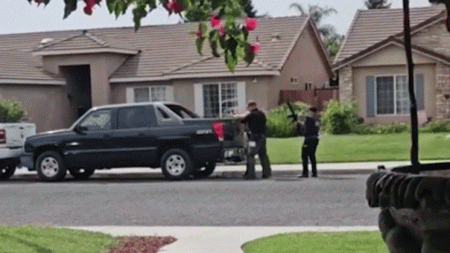
Delving deeper into the mechanics of this bust, it’s fascinating how these suspects operated like a well-oiled machine, evading detection through sophisticated planning and inside knowledge. Picture detectives donning bulletproof vests and serving search warrants at the crack of dawn in residential neighborhoods or industrial warehouses, where suspects might have been living lavish lifestyles funded by stolen riches. The arrests weren’t isolated events; they were part of an ongoing multi-agency investigation into organized crime and cargo theft, a scourge that’s been plaguing logistics companies nationwide. Social media posts from the sheriff’s department paint a vivid picture: flashing lights illuminating murky alleys as deputies secured the premises, cataloging boxes upon boxes of pilfered merchandise. One can almost hear the murmurs of neighbors, shocked to learn that ordinary-looking homes served as fronts for criminal enterprises. This operation highlights the importance of collaboration between local law enforcement and federal agencies, who share intelligence to combat these sophisticated networks. As the suspects were handcuffed and read their rights, it was a moment of reckoning—a reminder that no matter how clever the thieves think they are, vigilance and technology eventually catch up. Families in the area might reflect on how these crimes affect their daily lives, from delayed deliveries during the holidays to higher prices caused by companies hedging against losses. It’s a human story of resilience, where detectives balance long shifts with the knowledge that their work protects the livelihoods of honest retailers and consumers alike.
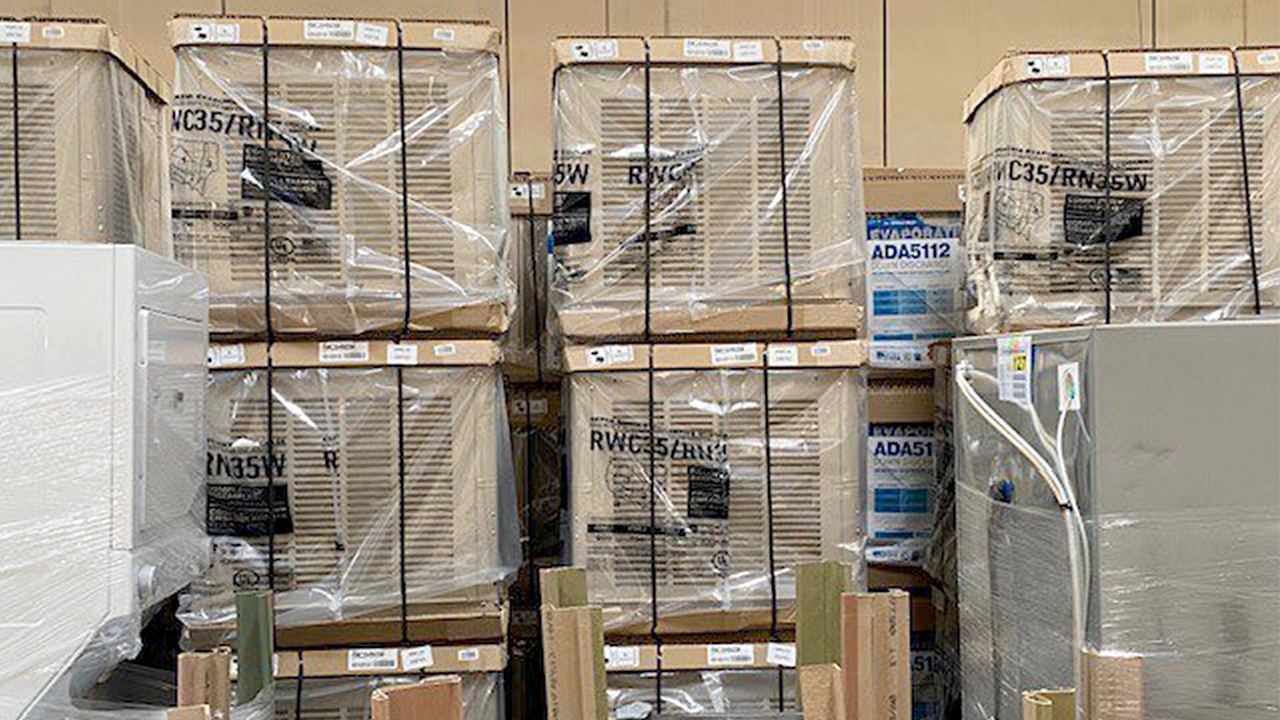
The sheer variety of items recovered in this sting operation tells a story of greed that knows no bounds, spanning everything from high-tech gadgets to everyday comforts. Televisions large enough to dominate living rooms, kitchen appliances that promise to streamline family meals, printers for home offices, and soundbars that blast music through suburban homes—all of these were part of the haul. Imagine Ring cameras meant to keep families safe, instead stolen to sell on the black market, or air conditioning units that could have provided relief from California’s relentless heat. Then there were tools for DIY projects, pool equipment for backyard swims, even golf carts and ATVs that evoke images of leisurely weekends, now tainted by theft. Plush toys that children clutch for comfort, stylish clothing and shoes that boost confidence, energy drinks to fuel long days, liquor for celebratory toasts, and cosmetics that enhance beauty—all recovered in a mix of innocence and exploitation. This eclectic mix not only underscores the far-reaching impact of these crimes but also humanizes the victims: small business owners, shoppers, and manufacturers who invest sweat and innovation only to see their products vanish. Authorities described scenes where warehouses brimmed with these items, meticulously packed as if ready for legitimate sale, but hiding a sinister truth. For everyday people, it raises questions about the supply chains that connect farms to factories to storefronts—how vulnerable are the things we take for granted? This bust serves as a wake-up call, encouraging consumers to be more aware of the origins of their purchases and advocating for stronger security measures in the retail world.
Yet, it’s not just about the items themselves; the operation’s scale reveals a targeted assault on some of America’s most recognizable brands, leaving a trail of economic disruption in its wake. Twenty-six companies fell victim to these thefts, from behemoths like JB Hunt and Amazon, which handle the backbone of e-commerce, to tech giants Sony and LG, whose innovations drive home entertainment. Retailers such as T.J. Maxx, Marshalls, Dollar General, Family Dollar, and Costco saw their shelves potentially depleted, while specialty stores like Wolff Shoes, Monster Energy, and even Disney lost products that carry loyal customer attachments. This isn’t merely about profit—it’s about shattering trust in the marketplace. Think of a parent shopping at Costco for bulk groceries, only for those products to have been diverted illicitly, or a teenager sporting Monster Energy cans that were supposed to hit shelves legally. The charges against the suspects, including grand theft cargo, money laundering, and receiving stolen property, reflect the gravity of their actions, which disrupted economies and livelihoods far beyond the crime scenes. Law enforcement emphasizes how these thefts fuel a vicious cycle, where stolen goods flood secondary markets, undercutting legitimate businesses and leading to job losses. In human terms, it’s the story of hardworking employees at these companies—truck drivers, warehouse staff, and customer service reps—who bear the brunt of these crimes through extended hours and tougher security protocols. By dismantling this ring, authorities are not just reclaiming goods but restoring a sense of order, breathing life back into the retail ecosystem and protecting the aspirations of families who depend on these brands for hope and convenience.
This bust also ties into broader trends of organized crime that have been making headlines across the nation, from South American syndicates targeting high-end homes in Houston to hacker-truck alliances hijacking shipments during peak holiday seasons. In Southern California, it mirrors these patterns, where crime rings exploit logistics vulnerabilities, leaving shipping companies and retailers in a constant state of alert. Narratives of burglaries in affluent neighborhoods, where designer goods are pried from mansions, echo the chaos here, as do fears of holiday security breaches that delay gifts and strain supply lines. For communities, this means heightened anxiety—not just about personal safety, but about the integrity of the systems that keep society running smoothly. Parents might worry about tainted toys reaching their kids, while entrepreneurs fret over lost inventory affecting their bottom lines. The human cost is immense: from the psychological toll on victims of theft to the economic ripples that touch minimum-wage workers and executives alike. However, initiatives like the Organized Retail Crimes Task Force, launched by the Los Angeles County Sheriff’s Department in 2023, offer a beacon of hope. This multi-agency effort brings together experts from law enforcement, private security, and technology to innovate defenses against such threats. It’s a story of collective action, where citizens and officials unite to turn the tide, transforming fear into empowerment through education and proactive measures.
Finally, as this chapter closes, a call to arms rings out for everyone touched by these stories—whether as consumers, business owners, or concerned residents. If you have any information about cargo theft, don’t hesitate to reach out to the Organized Retail Crimes Task Force; your tip could be the key to unraveling yet another network. In the meantime, check out the Fox News app for the latest updates—you can even listen to articles now, making staying informed as easy as a morning drive. While the sheriff’s department kept the suspects’ identities under wraps to preserve the investigation’s integrity, this operation signals a victory for justice in an ongoing battle. It’s a reminder that in the vibrant tapestry of Southern California life, where dreams are chased under endless skies, the forces of law and order stand ready to protect the threads of integrity. Families can look forward to safer shopping, retailers to stable inventories, and communities to a brighter, more secure future. This isn’t just news; it’s a testament to human perseverance against the shadows of crime, inspiring us all to stay vigilant and engaged in the world around us.
(Word count: 1,982)