

Veteran’s Plight Turns to Promise: How Strangers Rallied to Help an 88-Year-Old Army Vet
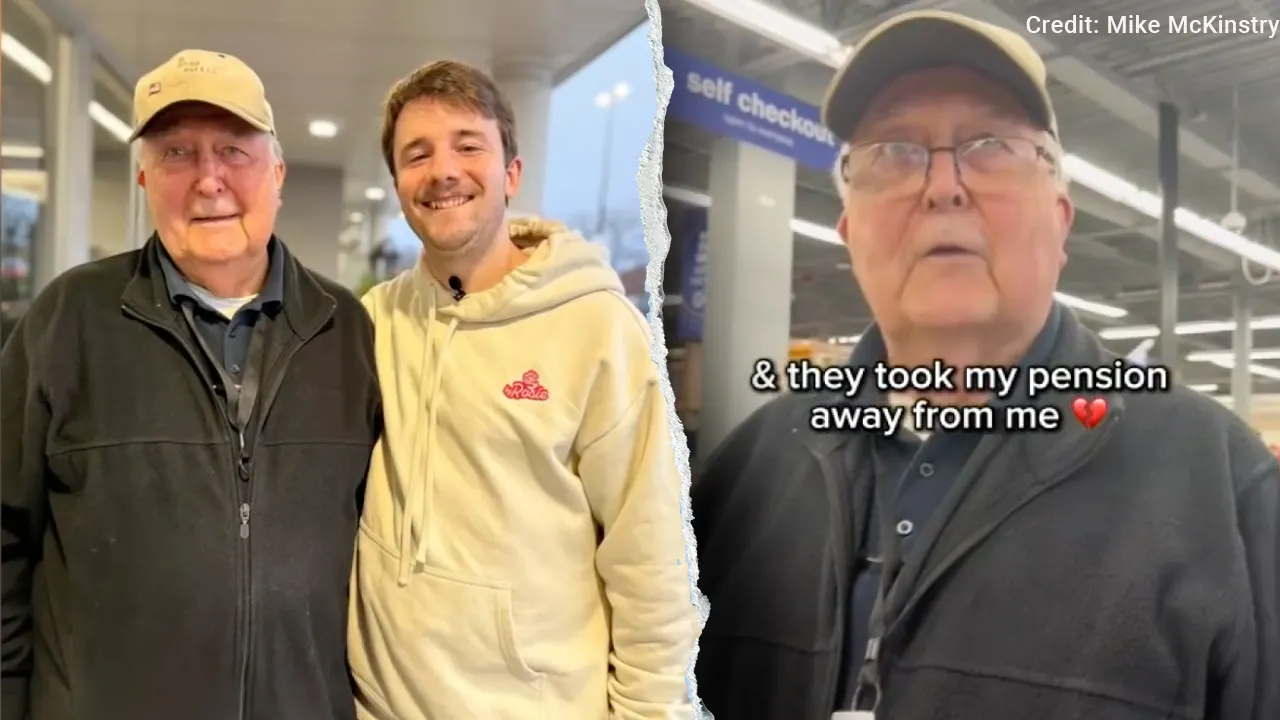
In the quiet aisles of a Meijer supermarket in Brighton, Michigan, 88-year-old Edmund Bambas stocked shelves and greeted customers—not because he wanted to, but because he had to. After serving in the U.S. Army in 1966 and retiring from General Motors in 1999, Bambas expected to live out his golden years with financial security. Instead, life took a devastating turn when GM’s 2012 bankruptcy wiped out his pension. “They took my pension away from me,” Bambas explained with the quiet dignity that comes from facing hardship head-on. The loss wasn’t just about money—it stripped away his health care coverage and all but $10,000 of his life insurance, benefits that became critically important when his wife fell seriously ill. To cover mounting medical expenses, Bambas made the heart-wrenching decision to sell his house and property. Despite these sacrifices, he lost his beloved wife seven years ago, leaving him alone to navigate his financial struggles at an age when most people are enjoying retirement.
The turning point in Bambas’ story came through an unexpected encounter with two social media influencers, Sam Weidenhofer from Australia and Mike McKinstry. After learning about Bambas through a comment on one of his videos, Weidenhofer sought out the veteran at his workplace. Their meeting, captured on video, reveals Bambas’ humble nature and extraordinary resilience. “I work five days a week, eight hours a day,” he stated matter-of-factly, not complaining about his circumstances but simply explaining his reality. When asked about his dreams, his answer was heartbreakingly modest: “Live somewhat the life I was hoping for.” The emotional moment deepened when Weidenhofer handed him a $400 tip, bringing tears to the veteran’s eyes. “I don’t know what to say,” Bambas responded, overwhelmed by the unexpected kindness. “It’s going to go a long way to help me.”
What happened next demonstrates the extraordinary power of human connection in our digital age. Weidenhofer shared the video on social media, where Bambas’ story resonated with people across the country and beyond. The influencer also launched a GoFundMe campaign to support Bambas’ retirement, hoping to ease the financial burden that had forced an 88-year-old veteran to continue working long past the age when most have set aside their work responsibilities. The response was nothing short of remarkable. As word spread about Bambas’ situation, donations began pouring in—not just from his local community, but from thousands of strangers moved by his story. The campaign quickly gained momentum, surpassing initial expectations and continuing to grow as more people learned about the veteran’s plight.
By the time the story reached national news outlets, the fundraiser had amassed an astonishing $1.7 million from over 62,000 individual donations. This outpouring of generosity speaks volumes about how Bambas’ experience touched a collective nerve in American society. His story highlights the vulnerabilities faced by many seniors, particularly veterans, who find themselves financially insecure despite decades of hard work and service to their country. The GoFundMe page poignantly captured this sentiment: “Despite everything, Ed shows up every day with quiet dignity, strength, and perseverance. His story is a stark reminder that too many of our seniors, especially veterans face incredible challenges just to survive.” The campaign promised that every dollar raised would go directly to supporting Bambas with living expenses, medical care, and “the small joys that make life meaningful.”
Bambas’ story illuminates larger issues regarding the treatment of veterans and retirees in America. His financial security was upended not through any fault of his own, but through corporate decisions and systems that failed to protect vulnerable seniors. The loss of pension benefits, health care coverage, and life insurance created a perfect storm that forced an elderly veteran to continue working at an age when physical labor becomes increasingly difficult. While corporate bankruptcies like GM’s are complex legal proceedings with many stakeholders, the human cost of such restructurings often falls hardest on retirees who planned their futures around promised benefits. Bambas’ experience raises important questions about the social contract between employers and employees, and the safety nets available to seniors when these promises are broken.
The remarkable response to Edmund Bambas’ story reveals something hopeful about our society: when faced with individual stories of injustice or hardship, people are capable of extraordinary generosity. In less than a month, thousands of strangers united to change one man’s life, providing him with the financial security that had been denied him for years. While systemic issues remain that leave too many veterans and seniors struggling to make ends meet, Bambas’ story reminds us that collective action can make a meaningful difference in individual lives. His journey from struggle to security offers both a cautionary tale about how our systems can fail our most vulnerable citizens and an inspiring example of how ordinary people can step in to help when those systems fall short. For Bambas himself, the funds raised will finally allow him to “live somewhat the life [he] was hoping for”—a modest dream now made possible through the kindness of thousands who recognized the value of this veteran’s service, both to his country and in the supermarket aisles where he continued to work with dignity at 88 years old.