



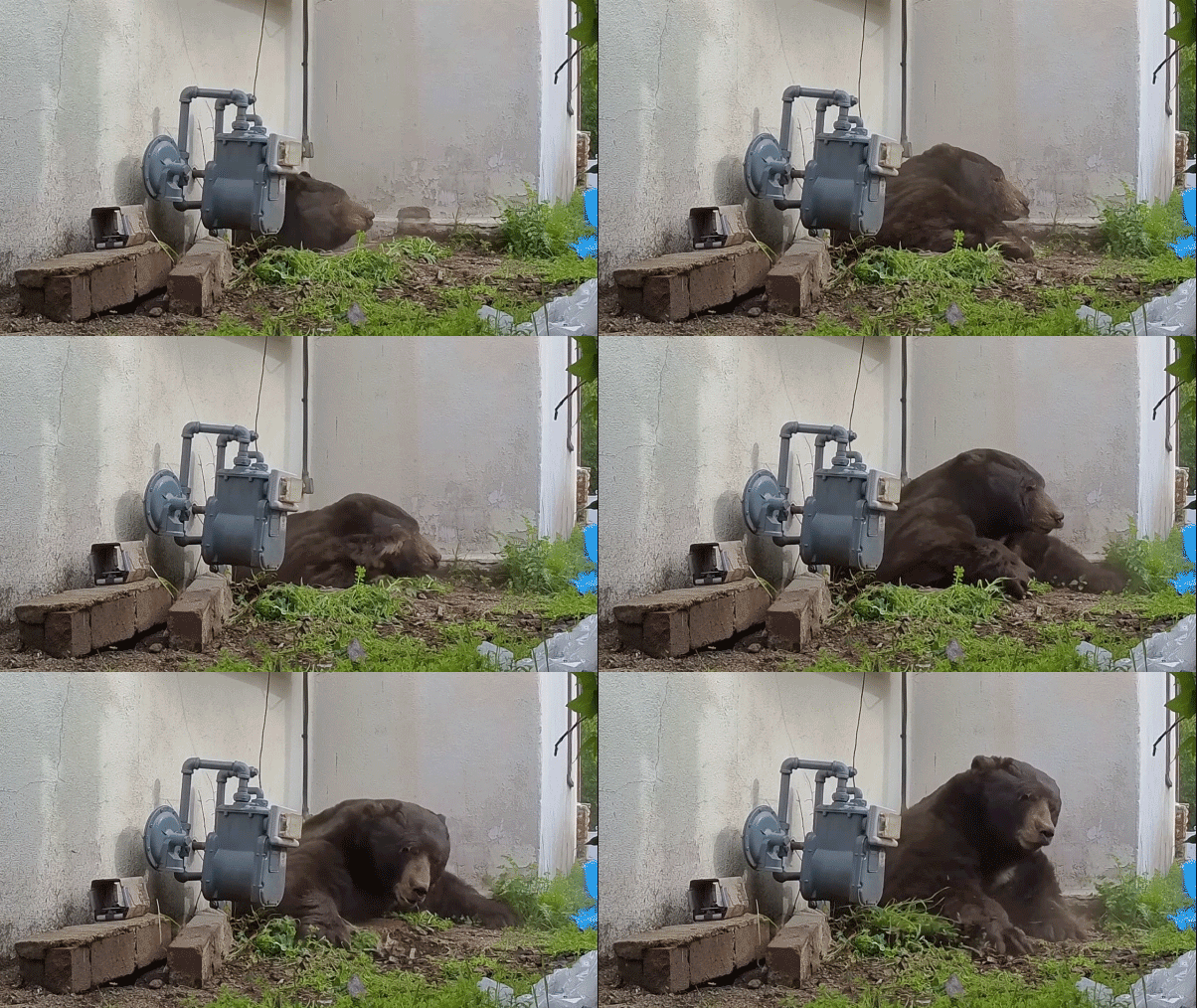
Bear Finally Evicted After Month-Long Standoff Under California Home
In a remarkable tale of human-wildlife conflict, a 550-pound black bear that had been living beneath a California man’s home for over a month has finally vacated the premises. The saga ended thanks to an unconventional strategy employed by bear removal specialists, who succeeded where state wildlife officials had repeatedly failed. Ken Johnson, the homeowner from Altadena, had been dealing with this unwelcome tenant since late November, watching helplessly as the massive animal squeezed in and out of a crawl space beneath his house via surveillance footage. The bear’s extended stay caused extensive structural damage, including the dangerous twisting of gas pipes that forced Johnson to shut off his utilities for safety. This wildlife intrusion couldn’t have come at a worse time for Johnson, who had recently survived the Eaton fire and lost his job, only to then face tens of thousands of dollars in bear-inflicted home repairs.
After numerous failed removal attempts by the California Department of Fish and Wildlife—including baiting, noisemakers, and a trap that embarrassingly caught the wrong bear—Johnson reached out to the BEAR League, a specialized organization based in Lake Tahoe that handles bear emergencies. Despite being located seven hours north of Altadena, the organization dispatched two experienced responders to tackle the situation. Their approach was both simple and daring: one responder named Scott crawled into the space where the bear was still present, positioning himself behind the animal. Armed with paintballs filled with vegetable oil, he fired at the bear’s backside, encouraging it to exit through the crawl space opening. This bold strategy accomplished in less than 20 minutes what state officials couldn’t manage in over a month.
The BEAR League didn’t just remove the bear; they also implemented measures to prevent its return. They loaned Johnson “electric unwelcome mats” to place at the entrance of the crawl space, giving him time to make repairs and permanently secure the area. Social media footage posted by the organization showed the effectiveness of these mats—when the bear attempted to return, it quickly retreated upon encountering the deterrent. This comprehensive approach addressed both the immediate problem and the underlying vulnerability that had invited the bear in the first place, demonstrating the organization’s understanding that successful wildlife management requires both removal and prevention strategies.
This incident highlights an important reality for those living in bear country: poorly secured homes are essentially open invitations for wildlife seeking shelter, especially during winter months. The BEAR League emphasized that simple preventative measures can enable humans and bears to coexist peacefully. Their approach stands in contrast to many wildlife management scenarios that end tragically for the animals involved. The organization noted that they respond to multiple similar situations daily in the Lake Tahoe region and have been doing so for 30 years without charging homeowners. Their mission extends beyond just removing bears from human structures; they work to educate communities about coexistence strategies that respect both human safety and wildlife welfare.
Johnson’s experience serves as a cautionary tale about the importance of securing potential entry points around homes in areas where bears are present. The bear had been able to wedge itself through what must have been a relatively small opening, considering the animal’s substantial 550-pound frame. Once inside, it created not just a nuisance but a genuinely dangerous situation with the tampering of gas lines. Johnson’s decision to shut off utilities likely prevented a potentially catastrophic outcome, but the financial burden of repairs came at an especially difficult time following other personal hardships. His situation demonstrates how wildlife encounters can quickly escalate from minor inconveniences to significant safety hazards and financial burdens.
The successful resolution of this bear standoff represents a victory for humane wildlife management practices. Rather than resorting to lethal methods, the BEAR League’s approach respected the animal’s welfare while addressing the legitimate concerns of the homeowner. Their expertise in bear behavior allowed them to develop a strategy that was both effective and minimally stressful for the animal. As human development continues to encroach on wildlife habitats across the country, such specialized knowledge becomes increasingly valuable. Organizations like the BEAR League offer a model for how communities can address wildlife conflicts in ways that balance human needs with conservation ethics. For Ken Johnson, the end of his bear saga means he can finally begin rebuilding his home and his life, while the bear has moved on to find a more suitable habitat away from human dwellings.