



The Heartbreaking Discovery at Bedillion Honey Farm
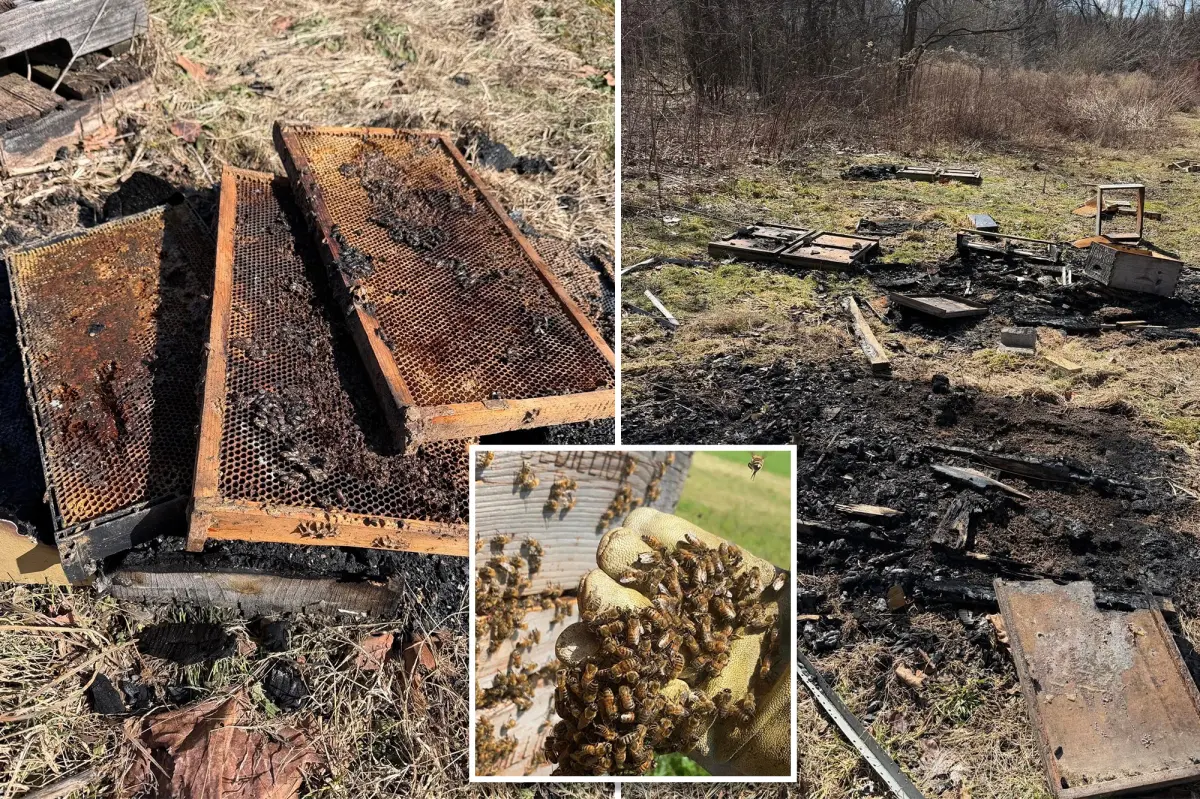
Imagine the crisp spring morning in Industry, Pennsylvania, where the Bedillion family tends to their beloved beehives tucked away in a secluded wooded area. Mark and Sarah Bedillion, alongside their daughter Lily, arrived for a routine check at their family-owned farm, expecting the hum of busy bees and the sweet promise of honey to come. But what they found instead was a scene of devastation that shook them to their core—a deliberate arson that turned their livelihood into ashes. Fires had ravaged 50 beehives, reducing them to charred remnants and claiming the lives of an estimated 50,000 honey bees. This wasn’t just an accident; it was an intentional act of cruelty, as the family would soon confirm. As they stood there, the air thick with the acrid smell of smoke, they grappled with the reality: their bees, those tiny, industrious creatures they cared for with dedication, were gone in an instant. Lily described it as confusing at first—”where are the beehives?”—only to realize the squares of ash marking where pallets and boxes had burned. It was a moment of profound silence, hearts dropping, as the weight of the loss set in. For a family who poured their souls into beekeeping, this was more than property damage; it was a personal attack on the delicate balance of nature they protected.
The scale of the destruction was staggering, a stark reminder of how fragile life can be. Each hive housed thousands of bees, organized communities of workers, drones, and queens, all working in harmony to pollinate crops and produce golden honey. When the flames took hold, tens of thousands of these vital insects perished, their bodies turned to ash along with the wooden boxes and pallets that were their homes. The Bedillions, who have built their business on respecting these creatures, felt the sting deeply. “It was like getting punched in the gut,” Sarah shared, her voice trembling as she recalled seeing the charred ruins. Managing their small retail shop in nearby Hickory, where they sell farm-fresh honey, scented candles, and soaps, Sarah sees beyond the products—she sees the bees’ gentle existence. This arson didn’t just disrupt their operations; it shattered the trust and joy they found in their daily routines with the hives. Beekeeping, after all, is not merely a job for them; it’s a family legacy, passed down through generations, teaching lessons in patience, resilience, and the interconnectedness of life. Losing 50 hives meant setbacks in pollination efforts for local farms, potentially affecting fruit orchards and gardens far beyond their property. The family mourned not just the economic hit, but the silent slaughter of creatures that symbolized hard work and wonder.
Personal stories poured out, humanizing the grief in raw, emotional ways. Lily, with tears welling up, remembered the quiet wooded site where the hives stood, a place of solitude and peace bathed in the scent of wildflowers. “My heart dropped, my dad’s heart dropped—a pretty long moment of silence until it set in that all of our hives were caught on fire. It was heartbreaking, to say the least.” For Mark, a dedicated beekeeper, it was a betrayal; he had invested years nurturing bees from swarms, ensuring their health through harsh winters and bountiful summers. Sarah, overseeing the shop, felt the loss like a wound to her family’s spirit—bees were her constant companions, and now they were gone, victims of senseless hatred. This act rippled through their emotions, evoking anger at the perpetrator and a deep sadness for the innocent lives taken. In interviews, they spoke of the therapeutic role bees played: handling hives calmed anxious minds, and the hum of wings was a lullaby to their worries. The farm’s Facebook post captured it poignantly: “Tens of thousands of honey bees turned to ash, along with the boxes and pallets they were once housed in.” Friends and neighbors used this to share their shock, turning the digital space into a virtual embrace, reminding the Bedillions they weren’t alone in grief.
Beyond the emotional toll, the arson dealt a significant blow to their livelihood, forcing a confrontation with financial realities. Bedillion Honey Farm relies heavily on its beehives—not just for honey production but as the backbone of their enterprise. With 50 hives gone, rebuilding would require new equipment, bee colonies, and time, all during the busy spring season when bees should be foraging and swarming. The family estimated tens of thousands of bees lost, translating to potential revenue from honey sales and the services bees provide, like pollination for commercial crops. Their shop in Hickory, a cozy haven where customers buy handmade goods, now faced uncertainty. Sarah, the heart of the retail side, worried about keeping shelves stocked without the bees’ bounty. Yet, amid this hardship, the incident sharpened their resolve. “This was a significant loss of animal life, as well as the principle of our livelihood, although we intend to regroup and rebuild,” they stated. It highlighted the fragility of small farms in an era of rising costs and environmental pressures. Beekeeping isn’t glamorous; it’s grueling work with bee suits, smoke, and stings, balanced by the reward of nature’s sweetness. The Bedillions dreamed of expanding, perhaps adding apiary tours or educational programs, but now they grappled with starting over, a setback that tested their entrepreneurial spirit.
In the wake of tragedy, the community rallied, transforming despair into hope through acts of generosity. The farm quickly set up a GoFundMe campaign to help recoup losses from the hives and gear. By Sunday night, it had soared past $23,500 toward a $35,000 goal, a testament to supporters’ kindness. People from all walks of life donated, sharing stories of how Bedillion’s honey brightened their mornings or how the bees’ role in ecosystems resonated with them. “We have been overwhelmed by the love and support following the deliberate fire at one of our bee yard locations in Industry, PA,” the family posted in an update. This outpouring wasn’t just monetary; it included messages of encouragement, volunteering offers, and even local businesses donating supplies. The Bedillions filed a police report, urging anyone with information to come forward, and added a $1,000 reward for tips leading to arrest and conviction—further demonstrating their commitment to justice. Interestingly, this event underscored the broader human connection to bees; amidst declining pollinator populations due to pesticides and habitat loss, the arson felt like an attack on something precious and collective. The fundraiser became a platform for advocacy, with donors pleading for environmental protections, reminding us that harming bees harms us all—fruits wouldn’t bloom, ecosystems wouldn’t thrive. For the family, this support was healing balm, reinforcing that their heartache echoed in the hearts of others.
Looking ahead, the Bedillions remain steadfast in their path to renewal, embodying human resilience in the face of cruelty. Despite the demoralization, they’re pressing on with their spring program, tending to surviving hives and nurturing new colonies. “Though it has been demoralizing, we are continuing with our regular spring program in caring for the rest of our hives, and we will keep you posted if we learn more,” they shared on Friday. This resolve stems from a deep love for their work—a blend of passion and purpose that arson couldn’t extinguish. Beekeeping has taught them about survival: bees rebuild after swarms, and so will they. Plans are brewing for stronger security, perhaps cameras or community vigils, to protect future hives. Emotionally, they’re leaning on each other and the outpouring of empathy, finding solace in the idea that from ashes, new life can emerge. The incident has sparked conversations about respecting nature, with the family hoping it raises awareness about the importance of pollinators. In the quiet of their farm, amid the buzz of remaining bees, the Bedillions honor the lost ones by continuing their legacy, turning pain into purpose. This story isn’t just about destroyed hives; it’s about a family’s unbreakable bond with nature and the humanity that rises to support it, proving that even in darkness, light—like honey from the hive—can prevail.