





Major Immigration Policy Shifts in 2025: A New Landscape for Foreign Nationals
The year 2025 brought sweeping changes to America’s immigration system, reshaping how people enter, work in, and become citizens of the United States. From specialized work visas to cutting-edge surveillance technologies and premium pathways to residency, the Trump administration has implemented policies that significantly alter the immigration landscape. These changes reflect an administration focused on prioritizing American workers, enhancing national security, and creating new revenue streams through immigration programs. As these policies take effect, they’re creating both opportunities and challenges for those navigating the U.S. immigration system.
The H-1B visa program, long a cornerstone of America’s tech industry, underwent a major overhaul in late 2025. The Department of Homeland Security’s new proposal fundamentally changes how these coveted work permits are awarded. Rather than the previous random selection process, the new system prioritizes higher-paying positions and jobs requiring advanced skills. This shift came after President Trump introduced a substantial $100,000 application fee, creating a significant financial hurdle for companies seeking foreign talent. According to USCIS spokesman Matthew Tragesser, these changes address what the administration views as exploitation of the previous system, where companies allegedly used the program to hire foreign workers at lower wages than their American counterparts. Tech companies, who have relied heavily on this program to fill specialized roles in software engineering and data science, must now adapt to these new realities when the changes take full effect in February 2026.
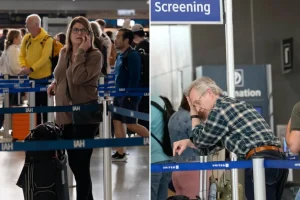
Enhanced security measures at America’s borders now include expanded facial recognition technology for non-U.S. citizens. Implemented in December 2025, the Department of Homeland Security’s new rule mandates biometric facial scanning for all non-citizens at entry and exit points across the country—including airports, land ports, and seaports. This requirement extends to green card holders and other legal permanent residents, marking a significant expansion of surveillance technologies in immigration enforcement. While U.S. citizens are exempt from mandatory participation, they may voluntarily opt into the facial recognition process. This technological shift represents one of the most visible changes to the physical experience of crossing American borders, creating a more standardized—and monitored—entry and exit process for millions of travelers annually.
Social media has become the latest frontier in immigration screening, with the Department of Homeland Security now scrutinizing foreign travelers’ online presence before granting entry to the United States. In compliance with Executive Order 14161, issued in January 2025, U.S. Customs and Border Protection now requires applicants for the Electronic System for Travel Authorization (ESTA) to disclose their social media activity from the past five years. This mandatory disclosure applies to visitors from countries participating in the Visa Waiver Program, which allows short-term visits without formal visa applications. The policy represents an unprecedented expansion of digital surveillance in the immigration process, with authorities now empowered to evaluate not just official documents and criminal histories, but also personal expressions, connections, and opinions shared online. Privacy advocates have expressed concerns, while security proponents argue that such screening is essential for identifying potential threats in an increasingly digital world.
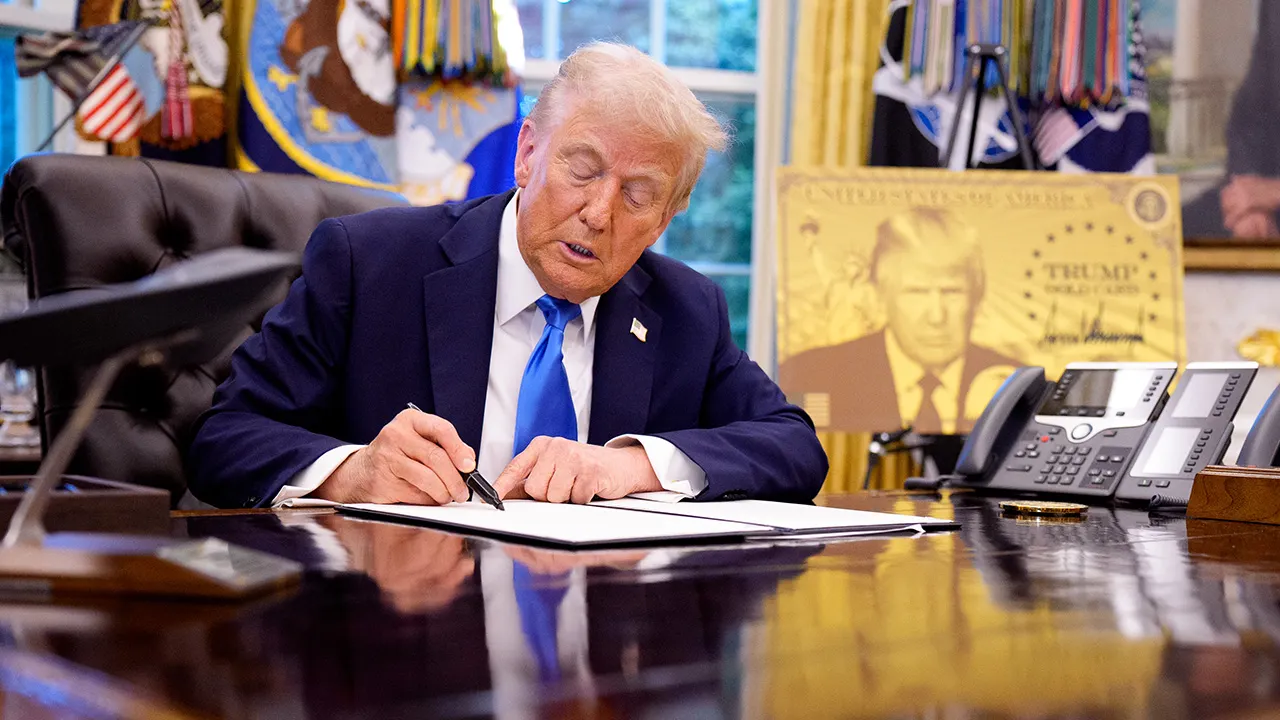
Perhaps the most talked-about immigration initiative of 2025 is the controversial “Trump Gold Card” program, offering an expedited path to permanent residency for those willing and able to pay a premium price. With a starting cost of $1 million, the gold-plated card features patriotic imagery alongside President Trump’s portrait. The program classifies successful applicants as EB-1 or EB-2 visa holders, placing them in priority immigration categories typically reserved for individuals with extraordinary abilities or advanced degrees. President Trump has publicly stated that the initiative could generate over $100 billion dollars, with funds earmarked for tax reduction, economic growth projects, and national debt payments. Available through trumpcard.gov, the program processes applications on an accelerated timeline following payment of a non-refundable fee. Critics have characterized the initiative as “citizenship for sale,” while supporters view it as an innovative approach to generating revenue while attracting wealthy immigrants who can contribute significantly to the economy.
The path to American citizenship also grew more challenging in 2025 with the implementation of a revamped naturalization test. The new examination doubles the number of questions applicants must answer, requiring correct responses to 12 out of 20 questions randomly selected from a pool of 128 possible questions. The updated test places greater emphasis on understanding American government structure, requiring applicants to identify all three branches of government rather than just one. Geographic questions have been eliminated in favor of more governance-focused content. USCIS Spokesperson Matthew Tragesser framed these changes as ensuring that “American citizenship is the most sacred citizenship in the world” and should be reserved for those who fully embrace American values and principles. The new test, which also maintains previous English language proficiency requirements, represents what the administration describes as the “first of many” changes to the naturalization process, suggesting further modifications may be forthcoming in the citizenship journey.