

Police Officers Wounded in Rochester Domestic Violence Response
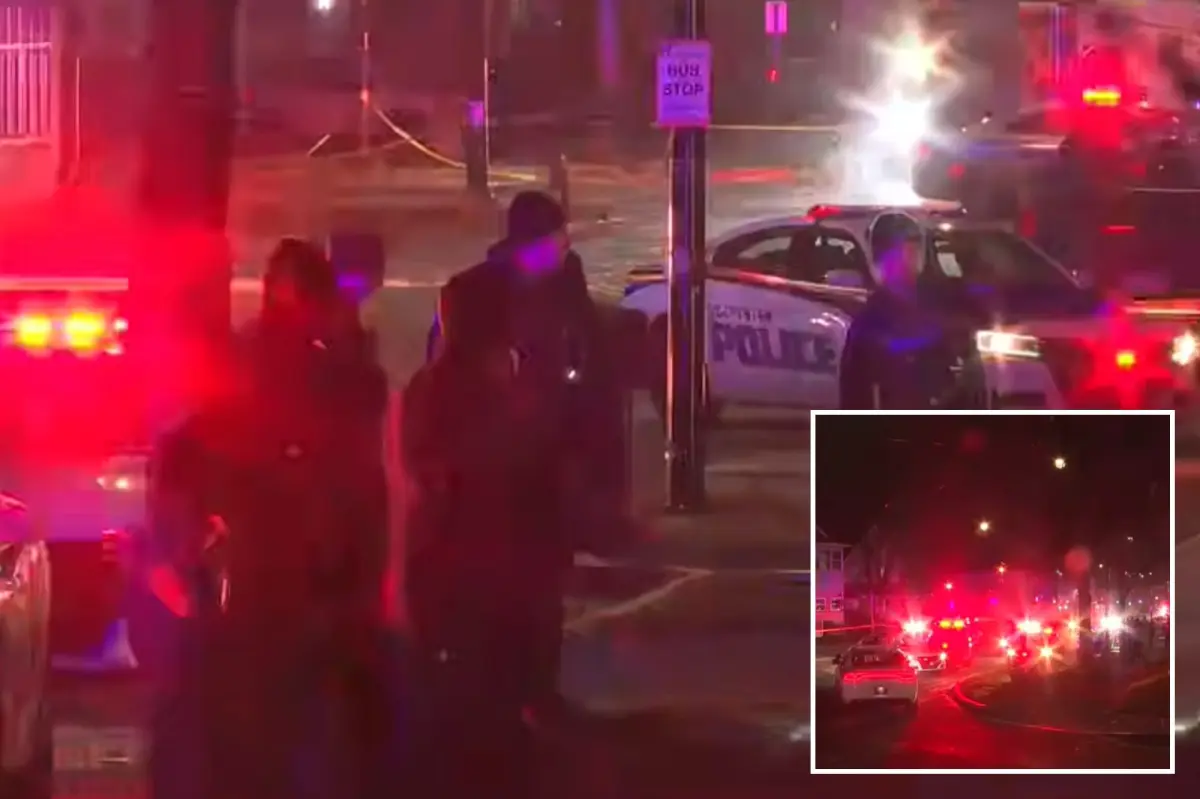
In a harrowing encounter Friday night in Rochester, New York, three police officers were wounded while responding to a domestic violence call, an incident that resulted in the death of a suspect. Rochester Police Department officers faced gunfire shortly after arriving at the scene, according to Police Chief David Smith who addressed the media during a subsequent news conference. The situation escalated quickly, with multiple shots exchanged before the suspect fled the immediate area. Officers managed to locate the individual again nearby, though details of this second encounter were not fully elaborated in the initial reports.
The three wounded officers were transported to a local hospital for treatment, though specific information regarding the severity of their injuries and their current medical status was not immediately disclosed to the public. The incident sent shockwaves through the department and the broader Rochester community, highlighting once again the unpredictable dangers that law enforcement personnel face, particularly when responding to domestic disturbance calls, which are widely recognized among police as potentially volatile and dangerous situations. These types of calls typically involve heightened emotions and occasionally weapons, creating particularly risky circumstances for responding officers.
Rochester Mayor Malik Evans expressed profound concern following the shooting, characterizing such incidents as “our biggest nightmare during this time of the year.” His somber remarks reflected the additional weight that violent incidents carry during holiday periods, which are traditionally associated with family gatherings and celebration rather than tragedy. The mayor requested that community members keep the wounded officers in their prayers, underscoring the gravity of the situation and the communal impact of violence against public servants. This incident adds to ongoing national conversations about officer safety and the complexities of responding to domestic violence situations, which require both tactical preparedness and sensitivity to potential victims.
While the immediate focus remains on the recovery of the injured officers, incidents of this nature inevitably raise questions about protocols for domestic violence response and officer safety measures. Domestic disturbance calls consistently rank among the most dangerous situations police officers face in the line of duty. The unpredictable nature of these encounters – involving people in emotional crisis, often in confined spaces, and sometimes with access to weapons – creates a perfect storm of risk factors. Police departments nationwide continue to evaluate and refine their approaches to such calls, balancing the need for officer safety with effective intervention in potentially life-threatening domestic situations.
The Rochester community now faces the difficult process of processing this violence and supporting those affected. In the aftermath of such events, police departments typically offer counseling and support services not only to the injured officers and their families but also to colleagues who may experience secondary trauma. Community healing also becomes an important consideration, as incidents involving police shootings can heighten tensions and concerns about public safety. Transparent communication from officials regarding the investigation’s progress will likely play a crucial role in maintaining public trust during this challenging time.
As the investigation into this incident continues, it will likely examine multiple aspects of the encounter, including the initial response, the circumstances that led to gunfire, and whether established protocols were followed. Such reviews are standard practice following officer-involved shootings and serve to identify any potential improvements to training or procedures that might enhance safety in similar future situations. The Rochester incident serves as a stark reminder of the risks that law enforcement officers accept as part of their commitment to public service and protection, particularly when intervening in domestic violence situations where their presence is often essential to preventing further harm to vulnerable individuals. The community’s response – from official support systems to individual expressions of concern – will be an important factor in the recovery process for all involved.