


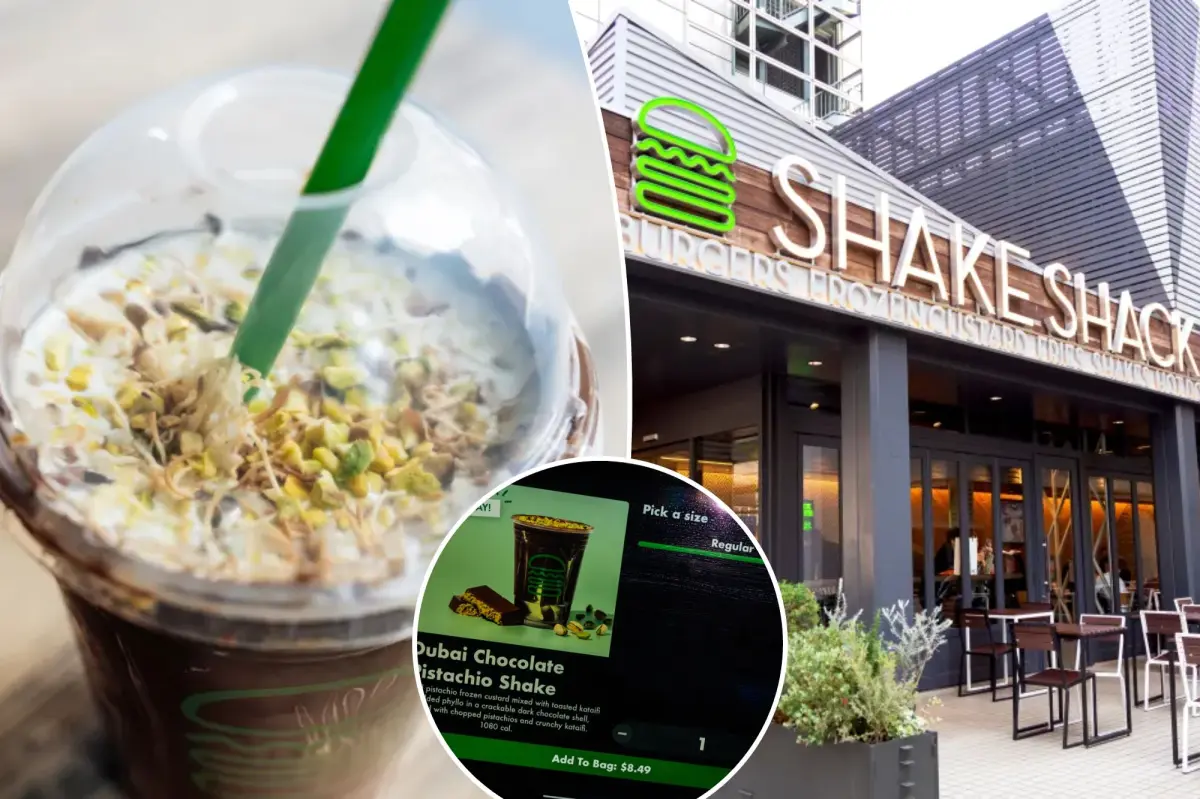
In an era where modern digital trends evaporate as quickly as they appear on our feeds, some exceptional culinary phenomena possess an undeniable gravity that pulls them directly from the screen and into our everyday lives. As the heavy summer heat settles in, Shake Shack is leaning boldly into this cultural wave by announcing the highly anticipated return of its national sensation, the Dubai Chocolate Pistachio Shake. Teasing its excited customer base on Instagram with the lighthearted declaration that “your summer fling is back” and is actively “turning heads,” the popular fast-casual burger chain cleverly referenced the romance, drama, and high-energy appeal of the wildly popular reality television series Love Island. This playful marketing strategy highlights a fundamental truth about how we eat today: our culinary choices are no longer merely about basic sustenance or quick convenience, but about seeking out memorable, shared cultural experiences that connect us to global conversations. By framing this limited-edition milkshake as a thrilling seasonal reunion, Shake Shack has successfully transformed a simple menu update into a major pop-culture event, capturing the collective imagination of internet users and food lovers alike. The return of this drink proves that the public’s love affair with Middle Eastern-inspired flavor profiles is not a fleeting internet fad, but a lasting shift in contemporary taste preferences. In a competitive market flooded with static seasonal promotions, this strategic move showcases Shake Shack’s unique ability to listen to its audience and adapt rapidly to prevailing consumer desires. By bringing back a beloved favorite that initially set social media ablaze, the restaurant chain is not just serving refreshments; they are offering a delightful, nostalgic taste of a viral moment that redefined the boundaries of fast-casual dessert innovation across the entire country.
To truly appreciate why this particular beverage has sparked such widespread adoration, one must examine the meticulous craftsmanship and complex textures that Shake Shack has packed into every single cup. Directly inspired by the decadent, multi-layered architecture of the viral Dubai chocolate bar, this luxurious shake is an elaborate exercise in contrasting temperatures and mouthfeels. At its core is a premium, velvety pistachio custard, meticulously spun in-house to achieve a rich, buttery, and earthy sweetness that feels both comforting and incredibly sophisticated. Interspersed throughout this creamy foundation is toasted kataifi—a traditional Middle Eastern shredded phyllo pastry—which provides a light, airy, and delicately crispy crunch that mirrors the authentic texture of traditional knafeh desserts. The true theatrical focal point, however, lies at the very top of the cup: a solid, crackable dark chocolate shell that hardens over the cold custard, generously crowned with a vibrant dusting of crushed pistachios. This ingenious design element introduces an interactive ritual for the diner, who must physically break through the snappy chocolate barrier to merge the rich cocoa flavor with the nutty custard below. By translating a structured, solid confection into a fluid, drinkable format, Shake Shack has positioned itself at the cutting edge of a highly competitive corporate trend. The brand has triumphantly joined the ranks of major global beverage leaders like Starbucks, Tim Hortons, and Baskin-Robbins, all of whom have raced to capture a piece of the high-demand Dubai-shake phenomenon. This masterful execution showcases a deep respect for high-quality, authentic ingredients, proving that even in a fast-casual setting, dessert-making can be treated with the artistry, respect, and meticulous attention to detail typically reserved for high-end boutique confectioneries.
The emotional wave of feedback from the dining public has been nothing short of ecstatic, underscoring the deep, personal connections that modern consumers form with hyper-trendy foods. As news of the shake’s nationwide resurrection spread across social media, fans flooded comment sections with passionate declarations, with one enthusiastic Instagram user admitting that the dessert had literally “changed my brain chemistry last summer” and that they were fully prepared to have it changed once again. Another excited customer chimed in with “best news ever,” while others spoke of it as the ultimate luxury to stay cool during the sweltering heat of the summer months. This level of intense devotion is especially impressive given the product’s premium positioning; priced at $9.24 and carrying a substantial 1,080 calories, the shake is unapologetically designed as an extravagant, celebratory indulgence rather than an everyday snack. The fascinating history of its rollout reveals just how much influence customer feedback holds over corporate decision-making in the modern digital landscape. When the chain first introduced the highly exclusive treat back in April 2025, it made history as the very first national fast-food franchise to adapt the Dubai chocolate trend for its menu. Originally, the shake was kept on a highly restricted leash, appearing only at a handful of select, high-traffic locations in major cultural hubs like New York City, Los Angeles, and Miami. However, the overwhelming digital outcry and passionate demands from consumers in excluded markets forced Shake Shack’s executives to recognize that they had a monumental winner on their hands. Showing admirable adaptability, the company quickly pivoted, launching a massive nationwide rollout in June 2025 to ensure that chocolate lovers from coast to coast could share in the joy of this unique creation.
A significant portion of the drink’s massive cultural footprint can be traced directly to the hyper-engaging nature of short-form video platforms, particularly TikTok, where lifestyle influencers transformed eating the dessert into a mesmerizing, participatory performance. Last summer, the creamy beverage achieved true viral status as creators filmed themselves executing the visually satisfying “cup-cracking” technique, a process where they squeezed the plastic sides of the cup to generate the crisp, echoing sound of the interior chocolate lining fracturing into small bits. One prominent New York City-based TikTok influencer passionately declared it to be “the best shake they’ve made to date,” elevating the product’s status from a simple menu addition to an absolute must-try cultural milestone. What makes the phenomenon truly remarkable, however, is its unique ability to win over even the most cynical of internet personalities, exemplified by creator Alex Mutammara. Describing himself initially as a staunch “Dubai Chocolate Skeptic” who was weary of overhyped, aesthetic-driven food trends, Mutammara surprised his audience by declaring it to be one of the best milkshakes the restaurant had ever produced. His praise focused on the culinary restraint of the recipe, explaining that the developers wisely chose “not to do too much.” Instead of a chaotic, sugar-laden mess, he found a perfectly balanced creation where smooth pistachio cream is elegantly blended with classic vanilla custard, allowing the crispy kataifi and chocolate coating to provide essential structural contrasts. The overwhelmingly positive reactions to his honest critique showed that when a viral food item is built upon solid, classically grounded culinary principles rather than shallow online gimmicks, it can transcend skepticism, unite disparate internet communities, and achieve genuine, lasting culinary respect.
To fully understand the global journey of this dessert, one must look past the neon signs of American fast-casual restaurants and trace its origins to a small, passionate venture in the Middle East. The viral sensation began in 2021 in the United Arab Emirates, where a creative entrepreneur named Sarah Hamouda founded FIX Dessert Chocolatier. What began as a modest home-based side hustle, born directly out of Hamouda’s intense pregnancy cravings for high-quality, texture-rich sweets, quickly evolved into an international phenomenon that completely redefined luxury chocolate. Her flagship creation was playfully and aptly named the “Can’t Get Knafeh’d of It” bar—a brilliant pun on the traditional, cheese-and-pastry-based dessert known as knafeh—and carried a premium price tag of $20 per bar. The sweet treat’s journey to absolute global stardom was catalyzed in late 2023 when popular content creator Maria Vehera uploaded a brief, fifteen-second ASMR video capturing the incredibly crisp, crackling sound of her biting into the thick, chocolate-laden bar. That single piece of short-form content exploded across the internet, ultimately amassing an astronomical 149 million views and turning the boutique Dubai chocolate shop into an overnight sensation. The demand was so feverish that passionate sweet-toothed travelers began flying thousands of miles directly to Dubai to purchase the hand-painted, elusive bars. Hamouda herself recalled her immense shock and gratitude as reviews and videos began pouring in from distant countries like Canada and Argentina, illustrating how a modest culinary experiment rooted in personal cravings could cross cultural boundaries and captivate the imagination of millions of eager consumers across the entire globe.
Today, this remarkable journey from a boutique confectionery in Dubai to mainstream American kitchens represents a beautiful stabilization of global food fusion, proving that authentic international dessert traditions can find a beloved home within fast-casual dining. Shake Shack’s masterful adaptation of the Dubai chocolate trend serves as a bridge, making once-exclusive flavor profiles accessible to everyday individuals at their local neighborhood restaurant. However, this viral shake does not stand alone as a solitary luxury; it represents the crown jewel of a much broader, highly indulgent summer menu designed to satisfy a wide range of cravings. For customers seeking a savory counterbalance to the pistachio sweetness, the chain has introduced bold, comforting, and hearty options, including the smoky BBQ Boneless Baby Back Rib Sandwich and a rich, creamy, and deeply satisfying Mac & Cheese. This deliberate pairing showcases a brilliant understanding of human comfort, balancing the rustic, smoky depths of traditional American backyard barbecue with the refined, globally-inspired sweetness of the Middle Eastern-themed dessert. By presenting this thoughtful juxtaposition of high-concept internet trends and classic, slow-cooked comfort foods, Shake Shack has crafted a dining space where culinary curiosity and simple satisfaction live side by side. It serves as a gentle reminder that food is at its most beautiful when it is shared and experimental, linking a pregnant mother’s craving in the United Arab Emirates to a viral TikTok review, and finally to a cool, refreshing moment of happiness shared among friends on a hot summer afternoon.