





The Tragic Reality of Rikers Island: A Story of Loss and Systemic Failure
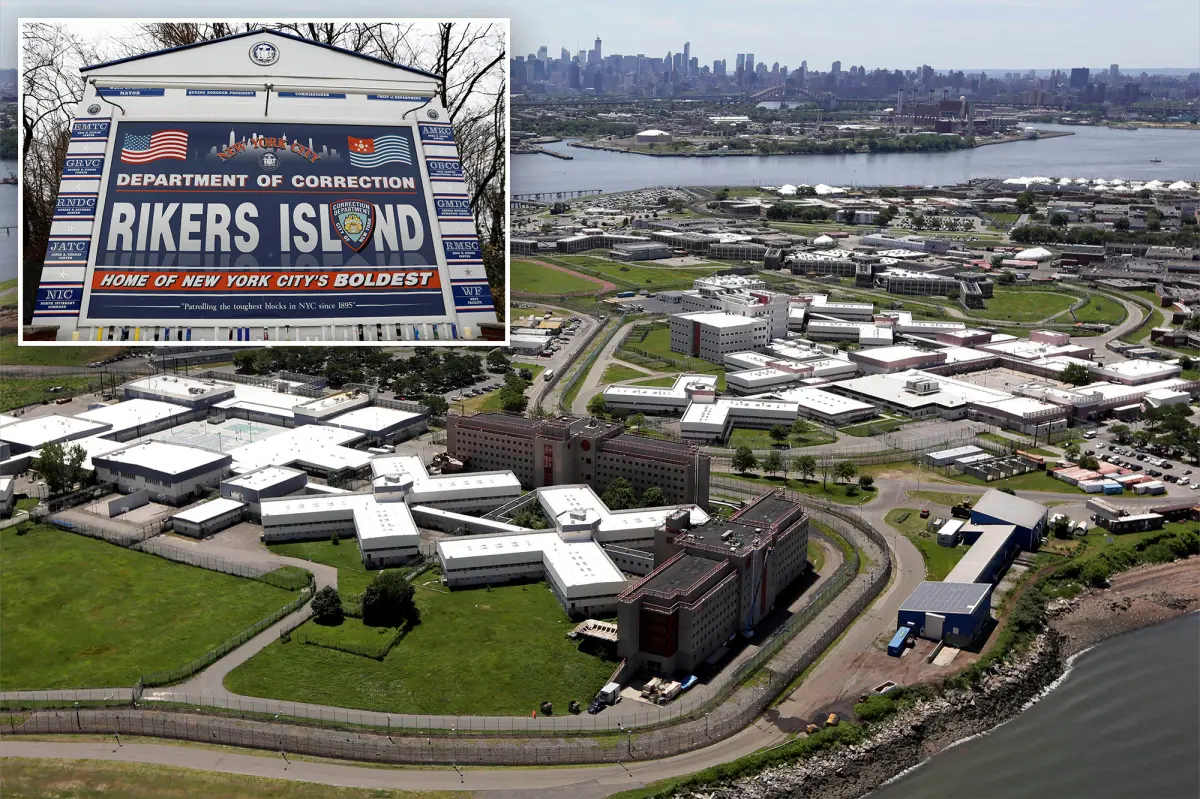
In the early hours of a Sunday morning, Aramis Furse, a 32-year-old detainee at Rikers Island’s Otis Bantum Correctional Center, showed signs of distress. By 3:30 AM, he was pronounced dead at Mount Sinai Queens Hospital, becoming the 14th person to die in New York City’s jail custody this year alone. City Correction Commissioner Lynelle Maginley-Liddie expressed condolences and promised a full investigation, but for Furse’s family and advocates, this represents another tragic entry in a growing ledger of preventable deaths. Furse, who faced various charges including robbery and burglary and was held on $45,000 cash bail, became another statistic in a system that many argue is fundamentally broken. His death came just weeks after another detainee, 38-year-old Edwin Ramos, died in similar circumstances at the same facility after being found “in medical distress inside a bathroom.”
The human toll at Rikers Island tells a devastating story that extends far beyond the clinical language of official statements. When we say fourteen deaths this year, we’re talking about fourteen human beings with families, dreams, and stories that ended prematurely while in government custody. Each represented someone’s child, perhaps someone’s parent, sibling, or friend. While Aramis Furse had pending legal troubles, he remained legally innocent until proven guilty—a foundational principle of American justice that seems increasingly theoretical for those who cannot afford bail. The absence of details surrounding his death raises troubling questions about transparency in a system responsible for the welfare of thousands of vulnerable individuals who, regardless of their alleged crimes, deserve basic human dignity and medical care.
The numbers tell a disturbing trend: fourteen deaths in 2023, nine in 2022, and five earlier deaths. According to advocacy groups like the Katal Center for Equity, Health and Justice, forty-seven people have died in Rikers Island custody since the beginning of 2022—a staggering figure that suggests systemic failures rather than isolated incidents. These deaths occur against a backdrop of long-standing concerns about Rikers, including overcrowding, staffing shortages, violence, and inadequate medical care. The jail complex, built to accommodate around 15,000 inmates, has become notorious for conditions that human rights advocates have described as cruel and unusual punishment. Many detainees, like Furse, haven’t been convicted of crimes but remain incarcerated because they cannot afford bail—raising serious questions about economic inequality in our justice system.
What makes these deaths particularly tragic is their preventability. Advocacy organizations have consistently highlighted patterns of “medical neglect” and violence that persist despite years of investigations, lawsuits, and promises of reform. When a person enters custody, the state assumes responsibility for their wellbeing—a responsibility that appears repeatedly unmet at Rikers Island. For every headline-making death, countless other detainees suffer in conditions that exacerbate mental health issues, physical ailments, and trauma. The cycle continues despite administrative changes and public outcry, suggesting that the problems are structural and require fundamental reform rather than incremental adjustments. Behind every statistic is a human being whose constitutional rights to due process, protection against cruel punishment, and adequate medical care may have been compromised.
The human cost extends beyond those who die in custody. Families of the deceased face not only the grief of losing a loved one but often struggle to get clear answers about how and why their relative died. Communities, particularly communities of color that are disproportionately affected by incarceration, develop deepening mistrust of the criminal justice system. The corrections officers themselves work in stressful, sometimes dangerous conditions that can lead to burnout, mental health challenges, and difficulty maintaining humane practices. The ripple effects of each death touch countless lives beyond the jail walls, creating trauma that can span generations. For those detained at Rikers who witness these deaths or experience similar medical neglect, the psychological impact can be severe and long-lasting.
As New York City grapples with the future of Rikers Island—slated for eventual closure under a plan passed in 2019 but repeatedly delayed—these continuing deaths underscore the urgent need for immediate action rather than distant solutions. While city officials like Commissioner Maginley-Liddie express condolences and promise investigations after each tragedy, critics argue that such responses have become ritualized and ineffective. Real reform would require addressing the root causes: reducing pretrial detention through bail reform, improving medical and mental health services, ensuring appropriate staffing and training, and creating accountability mechanisms that lead to meaningful change. Until then, people like Aramis Furse will continue to enter Rikers Island alive and leave in body bags, representing not just statistical increases but profound human tragedies that reflect on our collective values as a society. The question remains whether his death, like those before him, will fade from public consciousness or finally spark the transformation this troubled institution so desperately needs.