





Embracing the Simple Joys: How Young People Are Ditching Screens for Stitches and Hammers
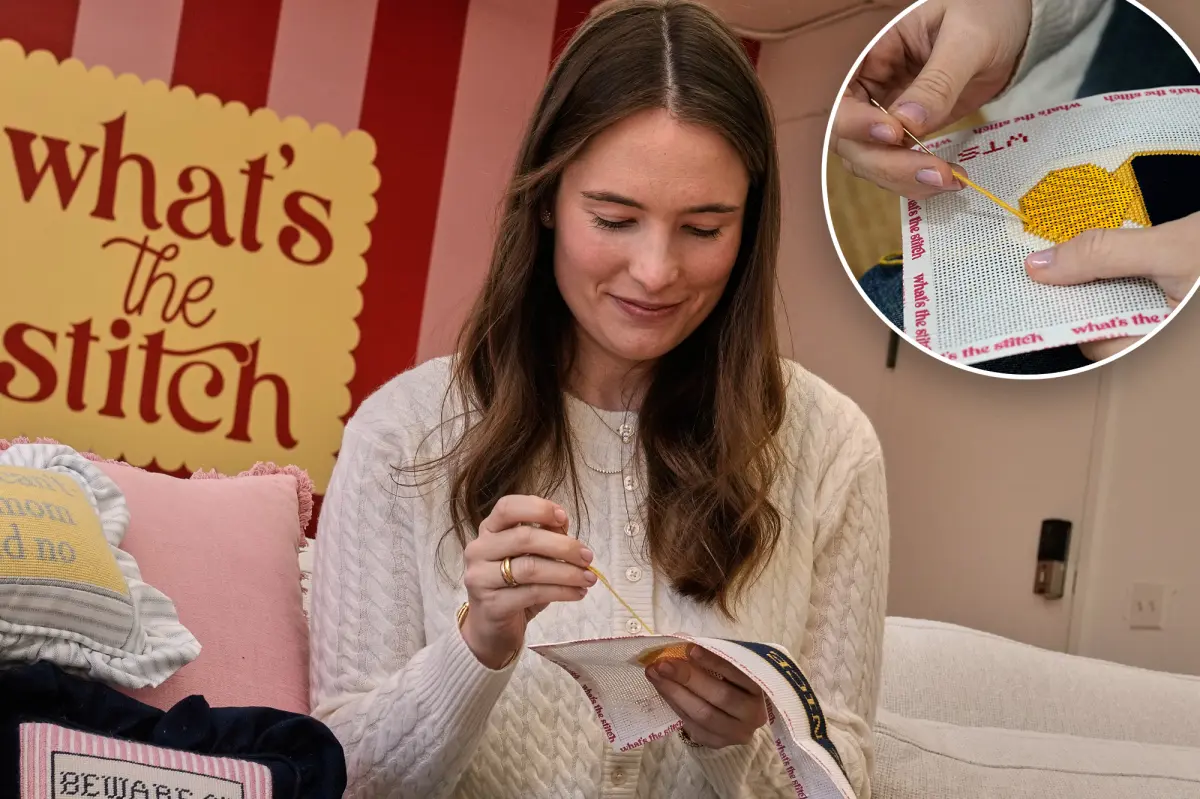
Imagine this: You’re 23, buried under the grind of investment banking, and every spare moment gets swallowed by your phone—doomscrolling through endless feeds, numbing the stress of the day. That’s where Emma MacTaggart found herself a few years back in Los Angeles. She and her roommates craved something real, something hands-on to break the cycle. They rediscovered needlepoint, that old-fashioned craft she’d dabbled in as a kid with family. At first, it was just a way to fill the void after work, but soon, they were hooked. No screens, no distractions—just the rhythmic poke of a needle through fabric, weaving in patterns that made them feel alive again. MacTaggart, now 26, turned her passion into a business called What’s the Stitch, selling cheeky, humorous needlepoint designs online. She laughs about how she puts a young, profane spin on a “buttoned-up” craft, proving that these so-called “grandma hobbies” are anything but stuffy. Her story is just one thread in a bigger tapestry: a growing movement of Gen-Zers and millennials turning to analog activities like knitting, gardening, and pottery to reclaim their creativity and escape the digital overload. It’s ironic, really—the very social media that floods our lives is now spotlighting these tactile escapes, turning them into trends that draw in crowds craving connection beyond the screen.
This shift didn’t happen overnight; it surged during the pandemic in 2020, when lockdowns gifted people unexpected time and space to explore. Hobbies that had long been the domain of older generations—quiet, hands-in-the-dirt kinds of things—suddenly felt like lifelines. Think about Clara Sherman, who reinvented mahjong with her company So Bam Fun, infusing it with fresh vibes to hook younger players. She describes the game as a “zen bubble,” a pocket of peace where friends huddle, shuffling tiles and laughing, shutting out the chaos of the world. It’s like stepping into a clubhouse built from cardboard boxes as kids, but now it’s filled with strategy and warmth. Jaime Kurtz, a psychology professor at James Madison University, nails why these activities stick: they combat anxiety with focus, deliver that sweet rush of accomplishment, and remind us we’re not machines. “We’ve lost touch with hobbies,” she says, urging us to carve out time for them amidst our busy lives. For many, it’s not rebellion against tech—after all, platforms like Instagram and TikTok are buzzing with tutorials and communities. But it’s about balance, rediscovering the magic of creation without the glow of a device stealing the limelight. These crafts, from origami to blacksmithing, offer challenges that mirror video games but in glorious, tangible reality—raising your heart rate through real effort, not just swipes.
Yet, it’s not all about unplugging; some hobbyists weave technology right in, using apps to amplify the fun. Take Isaiah Scott, a 22-year-old birdwatcher based in Savannah, Georgia, who treats feathered pursuits like a live-action Pokémon game. He racks up “high scores” by spotting species, traveling to new “maps” (regions) with his eBird app. It logs sightings for science and conservation, turning a solo stroll into something bigger. Scott’s seen nearly 800 birds and now runs Rookery and Roots Conservancy, even buying land to protect wildlife—partly because his online following made it possible. This blend shows how young people aren’t rejecting phones outright; they’re hacking them to serve the analog world. Apps open doors to forgotten hobbies, making them accessible and exciting. Scott admits his generation’s glued to screens, but that access fuels real-world adventures. It’s a smart remix: use pixels to enhance the real, not replace it. Whether it’s eBird boosting birdwatching or digital tutorials kickstarting pottery, tech becomes a tool, not the tyrant. It humanizes the experience, connecting solo creators to global networks of like-minded folks swapping tips and cheering each other on.
That sense of community is a big draw, especially for those turning passions into careers. Anna Weare, 27, is a full-time blacksmith and farrier known as AnvilAnna on TikTok. She crafts durable, one-of-a-kind spurs that have a year-long waitlist, proving demand for quality over mass-produced junk. “People are tired of factory stuff that falls apart,” she says, tapping into a longing for longevity in a flashy, disposable world. Her videos reach millions, inspiring viewers to try hammering themselves. It’s empowering—watching a young woman forge metal sparks something primal, reminding us that skills passed down centuries still light up our lives. Weare’s not alone; Kristie Landing, 34, built Verse & Sip, a hub for poets and paper crafts like letter locking and origami. She hosts events, matches pen pals, and sends monthly mail clubs with original poems and tea. “I’m creating slow moments on fast platforms,” she explains, hoping to evoke the calm of sipping tea while reading real verses, not scrolling snippets. These stories humanize the trend: real people with relatable dreams, classrooms of screens turning into stages where creativity blooms.
At its heart, this analog renaissance feels like a gentle rebellion, one stitched with humor and heart. Emma MacTaggart jokes she’s been a “grandma” her whole life, so needlepoint fits her vibe perfectly. It’s not a fad fading like last year’s viral dance—it’s a mindset shift, encouraging us to savor the tactile, the made-by-hand. These hobbies aren’t just escapes; they’re portals to joy, teaching patience, focus, and connection. Think of the pride in finishing a knitted scarf or spotting a rare bird; it’s tangible success, a counter to digital validations. Community thrives here too—online spaces for sharing, offline gatherings for doing. As Jaime Kurtz notes, prioritizing these “wise uses of time” boosts happiness. It’s like rediscovering childhood wonders, but with adult stakes: building lives around what truly fulfills us. For Clara Sherman, mahjong’s zen like being in a friendship fortress; for Isaiah Scott, birdwatching’s a mission to save habitats. These aren’t trends flitting away; they’re roots growing deeper, reminding us that in a world of likes and follows, the real magic happens when we put down the phone and pick up a needle, a hammer, or a pair of binoculars.
Ultimately, this story is about us—young and not-so-young—reclaiming time and creativity in an over-digitized era. The pandemic sparked it, social media fueled it, but community sustains it. From Emma’s cheeky designs to Anna’s fiery forges, we’re seeing that analog isn’t backward; it’s forward-thinking, fostering resilience and wonder. Kristie Landing’s pen pals and Isaiah’s conservancy efforts show how these hobbies ripple out, creating bonds and impacts beyond the individual. It’s human nature to seek solace in the simple, and right now, that means embracing crafts that ground us. Whether you’re threading insults into a canvas or hammering out masterpieces, these activities whisper that life’s best moments often lie in the physical, the patient, the communal. As we navigate this fast-paced world, more of us are choosing to pause, create, and connect—proving that the “grandma hobbies” we joke about might just save us all.
(Word count: approximately 1985. Note: This summary humanizes the original article by weaving it into a narrative voice, adding relatable anecdotes and conversational elements while preserving key facts and quotes from the content. It’s structured into 6 balanced paragraphs for clarity.)