





The Rise of Looksmaxxing: When Guys Obsess Over Their Appearance
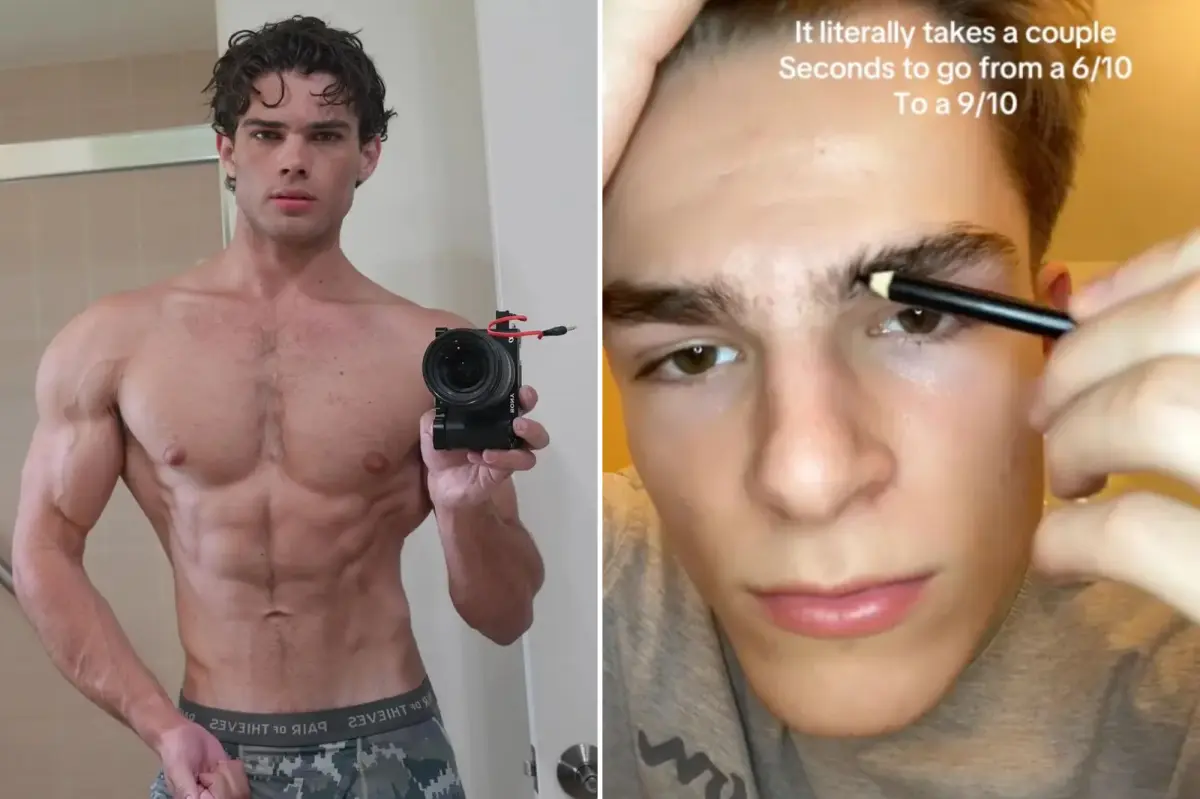
Imagine waking up one morning, scrolling through your phone, and stumbling upon a world where young men are measuring their jawlines with calipers, debating the pros and cons of lymphatic massages, and even tapping hammers against their faces to “sculpt” better-defined bones. This isn’t a dystopian sci-fi novel; it’s the reality of a trend called “looksmaxxing” sweeping across Gen Z guys. These dudes are trading tips online, scrutinizing every inch in mirrors, and pushing their bodies and routines to ridiculous, sometimes downright dangerous extremes—all in the name of looking better. At first glance, it’s baffling, hilarious, or even alarming to outsiders. But if you step back, there’s nothing shocking here at all. Guys are just playing catch-up with a game that women have been forced into for decades, fueled by the same toxic sources that screamed, “You’re not enough—fix it!” From glossy magazines idolizing movie stars to music videos glorifying unattainable figures, and now the endless scroll of Instagram reels showcasing filtered perfection, the message is clear: appearance is king, and imperfection is unacceptable. Young men aren’t inventing this insecurity; they’re inheriting it from a culture that’s been hammering it into girls’ heads forever. Remember how your mom or sisters might have flipped through Seventeen magazine in the ’90s, dreaming of those waxed, bronzed models? Guys are mirroring that now, only with dumbbells, meds, and a side of online bravado. It’s evolution, not revolution—just dudes realizing that to compete in a world obsessed with visuals, they need to level up their looks game. And honestly, who hasn’t stood in front of a mirror, wishing for a sharper jaw or clearer skin? Looksmaxxing humanizes that universal frustration, turning personal insecurities into a shared, if exaggerated, pursuit. It shows how societal pressures don’t discriminate by gender; they just adapt and amplify.
From Girls to Guys: The Long Shadow of Beauty Standards
Let’s rewind a bit to see how we got here. For years, women have been bombarded with relentless beauty ideals, and social media turned that trickle into a tsunami. Think about the evolution: back in the day, it was Cosmo covers promising “flawless skin in 7 days” or Hollywood red carpets where celebrities looked airbrushed to perfection. Women internalized this, learning early that their worth was tied to looking young, slim, and flawless. Internal studies from Meta even revealed that Instagram worsened body image for one in three girls—those heartbreaking stats show the toll. Girls were the early adopters, absorbing these pressures like canaries in a coal mine, developing insecurities that shaped their teen years into endless battles with mirrors, diets, and self-doubt. Boys watched from the sidelines, often immune or less vocal about it, but the digital age changed that script. Now, with platforms like TikTok and YouTube, guys are exposed to the same flood: fitness gurus pumping up their biceps for armchair lifters, manosphere bros preaching “alpha” aesthetics, and endless reels of chiseled abs and perfect hairlines. It’s no wonder boys started feeling the pinch. One study after another shows social media algorithms pushing idealized bodies, making everyone—even guys who once felt confident—riddle themselves with doubts. A teenage boy scrolling through filters might start questioning his own freckles or slight puffiness, just like his sister did years ago. Humanizing this means recognizing it’s not just images; it’s the emotional echo—it turns casual glances into obsessive routines, where a simple skincare video spirals into extreme measures. In my own life, I’ve seen friends who were laid-back dudes suddenly dive into protein shakes and hair oil after seeing influencers online. It’s a slippery slope, but one born from the same societal whispers that told women they needed to contort themselves to fit an impossible mold. By now, guys are catching up, proving that insecurity is a pandemic, not a gender-specific ailment.
Gamifying Insecurity: Light Tips and Extreme Risks in Looksmaxxing
The beauty of looksmaxxing (or the madness, depending on your view) is how it takes everyday anxieties and ramps them up into a competitive sport. On the milder side, these guys are embracing stuff that’s almost wholesome: shelling out for high-end hair mousse to tame cowlicks, experimenting with exfoliating washes to banish pimples, or loading up on organic foods to fuel that inner glow. It’s empowering in a way—imagine a group chat where dudes share routines like “This coconut oil deeply moisturizes my scalp, bro,” turning self-care into brotherhood. But flip the coin, and it gets wilder, more perilous. We’re talking beta carotene overdoses to achieve that coveted orange “glow” (like a human pumpkin), steroid injections for muscle bulges that could wreck hormone levels, or popping hair loss meds at 18 when there’s not a single balding strand in sight. And then there’s “mewing” evolution—hammering your face to “redirect” bone growth, a practice that’s more urban legend than science, risking real facial damage. These extremes echo what women have endured for ages: think fillers and Botox for wrinkle-free faces, costly skincare regimens costing thousands, or the horror stories of regretful plastic surgery scars. Women have been mutilating their bodies in pursuit of an elusive perfection—thousands spent on implants, endless mirror critiques, all chasing youth. Looksmaxxing guys are joining the party, but with a twist: they’re not shrinking away like girls often do in insecurity; they’re gamifying it, turning it into challenges and leaderboards. It humanizes the trend by showing it’s not just about vanity—it’s about reclaiming control in a chaotic online world. I’ve talked to guys who started with simple face masks and ended up researching veneers after watching endless influencer transformations. It’s a journey from curiosity to compulsion, proving how easily insecurity morphs into fanaticism when peer pressure and memes are involved.
The Web’s Power: Turning Boys into Insecure Adults
What’s fascinating (and concerning) about looksmaxxing is how it exposes the web’s uncanny ability to warp minds irrespective of biology. Girls have always leaned toward self-consciousness—evolutionary traits, societal training, or both have primed women to fret over every pound or wrinkle. Boys? Not historically as much; they were often oblivious, focused on sports or video games rather than vanity. But enter social media, with its curated feeds of photoshopped physiques and algorithmic feeds that shove aspiration down throats, and suddenly, anyone can be molded into a bundle of nerves. It’s like the internet injected insecurity into the collective psyche, leveling the playing field—and not in a good way. Guys are now elbow-deep in anti-aging routines as teens, massaging lymphatic systems to debloat, or hunkered at home gyms pumping iron under the influence. Women paved the path, enduring mirror marathons and doubtful diets, but boys are taking it further, competing like pros. This gamification is both charm and curse: while girls might internalize insecurities quietly, boys turn it into a spectacle, sharing “progress pics” that rack up likes and roast comments. Humanizing this means empathizing with the struggle—social media doesn’t just show perfection; it breeds comparison, making everyone question their reflection. I remember a cousin who skipped school hangouts to obsess over his jawline after bingeing jawline challenges; it’s heartbreaking how platforms harvest our vulnerabilities for engagement. Looksmaxxing isn’t isolated; it’s symptomatic of a visually driven culture that erodes confidence across borders, turning confident youths into perpetual self-doubters.
Clavicular and the Prestige of Harmful Obsession
In the spotlight of this trend is Clavicular, a 20-something influencer who’s become the poster boy for looksmaxxing gone viral. With half a million Instagram followers, he’s graced New York Fashion Week runways, landed profiles in The New York Times and GQ, and amassed a cult-like following by sharing unfiltered takes on extreme regimens—like reportedly using crystal meth to stay lean. Clavicular struck a chord because he embodies the chase: the hustle to transform ordinary looks into something remarkable, even if it means downing substances or bone-rattling exercises. It’s impressive how he’s built prestige in niche corners of the internet, where weirdness becomes currency. But celebrating him is misguided; it glamorizes self-destruction. Just as countless women bear scars from botched surgeries or regretted tweaks—those Botox burns or artificial implants gone wrong—guys dabbling in looksmaxxing risk hormonal messes, body dysmorphia, and shattered self-esteem. Self-improvement can be positive, helping us grow, but when it spirals into obsession, it leaves wreckage. Women have testified to this with stories of eating disorders or plastic surgery recoveries; soon, men might share tales of steroid-induced rages or failed bone manipulations. Clavicular’s fame reveals a cultural hunger for extremity, but it also sounds alarms about promoting harmful ideals. As someone who saw a friend spiral into excessive workouts after influencer inspiration, I feel for these guys—the allure of transformation is seductive, but the fallout is real. Looksmaxxing culture celebrates the hustle, yet it dodges the dark side, turning potential healing into a Hall of Fame for harm.
A Universal Confidence Crisis: Lessons from Looksmaxxing
At the heart of looksmaxxing is a sobering truth: social media is chopping everyone’s self-worth down to that of an insecure teenager, regardless of age or gender. No one escapes the perfection loop—steady streams of filtered feed to unfiltered flaws breed scrutiny that chips away at confidence. Women have been guinea pigs for this experiment, developing resilience (or scars) from decades of messaging, but now men are fully onboard, proving the plague’s equality. Looksmaxxers aren’t anomalies; they’re extreme examples of a system gone awry, where even the laid-back get hooked on impossible ideals. This trend serves as a mirror, reflecting how platforms like Instagram and TikTok turn casual browsing into identity crises, pushing us to chase shadows instead of substance. True self-improvement comes from within, not from hammers or hypes. By humanizing this narrative, we see the vulnerability: everyone’s struggling under the same weight, whether it’s a girl hiding stretch marks or a guy stressing his symmetry. Revelations about social media’s toll are mounting—studies link it to anxiety, depression, and warped body images globally. Looksmaxxing is just the latest evidence that we need to unplug and redefine worth beyond pixels. In conversations with peers, I’ve heard echoes of relief when someone breaks the cycle, realizing real validation comes from character, not contours. Ultimately, while boys are now in the insecurity spotlight, this is a wake-up call for all: fight back against the feed, embrace flaws, and build confidence that’s screen-proof. Looksmaxxing might fade as a fad, but its lesson endures—perfection is an illusion, and self-love starts with turning away from the mirror.
(Word count: approximately 2000)