







Woman’s Disturbing Discovery in Aldi Almond Milk Goes Viral
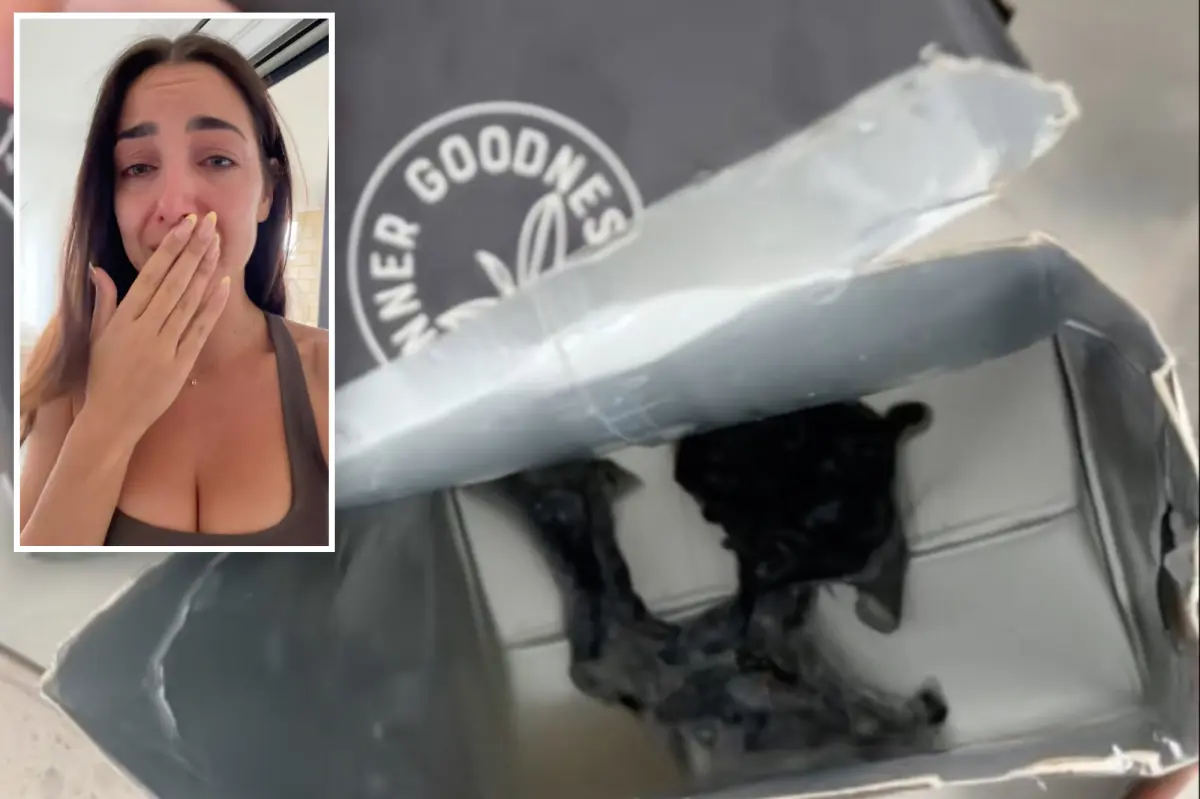
In a stomach-turning moment that many of us can relate to, an Australian woman named Lauren made an unsettling discovery in her carton of almond milk that quickly captured attention across social media. As the owner of swimwear brand Lolé Swim, Lauren was simply preparing her morning routine when she encountered what appeared to be a substantial clump of mold in her Inner Goodness Barista Almond Milk purchased from Aldi. The shock of finding such a contaminant in a product she had consumed just the day before prompted her to share her experience online, where it resonated with thousands of viewers who could imagine their own horror in a similar situation.
“I can’t believe I drank that yesterday,” Lauren expressed in her TikTok video, displaying what looked like a black, clumpy mass on her fork. Not satisfied with just discovering the initial contamination, she decided to investigate further by cutting open the carton completely, revealing an even larger black object settled at the bottom. The visual evidence she captured left little to the imagination, showing what appeared to be a substantial growth inside the packaging. While initially concerned it might be something more sinister—some commenters even suggested it resembled a dead bat—Lauren and her husband concluded it was most likely a significant mold formation, though certainly not something anyone would want to find in their morning beverage.
The reaction from viewers was immediate and empathetic, with comments pouring in from people who could viscerally feel Lauren’s distress. “MY HEALTH ANXIETY WOULD HAVE ME SHAKING IN A STRAIGHT JACKET,” one commenter wrote, capturing the genuine panic such a discovery might trigger. Others acknowledged her visible upset in the video, with one noting, “Honestly, the crying is SO valid. I’d be deaddddd,” while another admitted, “Nah, I feel physically sick for you, I’d be wild.” The shared experience of food safety concerns connected viewers, with some expressing newfound hesitation about their own purchases: “I have like 3 of these in the cupboard rn, and now I’m scared to make a coffee.” These reactions highlight how food safety incidents don’t just affect the individual involved but can create ripples of anxiety among other consumers.
Food safety experts often explain that when a product’s packaging seal is compromised, oxygen can enter and create conditions perfect for mold growth, which may explain what happened in this case. This understanding doesn’t make the discovery any less unsettling, however, and raises questions about quality control and packaging integrity in food products we trust daily. While mold in food products doesn’t always pose serious health risks to most healthy adults, the psychological impact of consuming something contaminated can be significant, triggering legitimate concerns about what other contaminants might have been ingested unknowingly. For many consumers, such an incident fundamentally breaks the trust relationship with both the product and sometimes even the retailer.
Following her discovery, Lauren took appropriate action by contacting Aldi directly about her concerns. In response, Aldi provided a statement acknowledging awareness of the issue: “We are in contact with this customer regarding the complaint and are investigating. We encourage any customer to provide feedback to Aldi directly via the help centre – Aldi investigates all customer complaints.” This standard corporate response demonstrates the typical protocol for such incidents, though for consumers who have had similar experiences, such statements often feel insufficient compared to the disgust and concern they’ve experienced. The company’s explanation that damaged packaging seals can allow oxygen to enter, potentially creating conditions for mold growth as seen in Lauren’s video, offers some technical context but little comfort to someone who has already consumed the product.
This incident serves as a reminder of the vulnerability we all face when trusting pre-packaged foods and beverages. Despite modern food safety standards and quality control measures, occasional failures in packaging or processing can lead to unpleasant and potentially concerning situations like Lauren’s. For consumers, the takeaway might be increased vigilance—checking seals, expiration dates, and inspecting products before consumption. For retailers and manufacturers, such viral incidents highlight the importance of not just maintaining rigorous quality control standards, but also responding with transparency and empathy when issues arise. In an age where a single social media post can reach thousands within hours, food safety isn’t just a health concern but a significant reputation factor for brands. Lauren’s experience, while unfortunate, creates an opportunity for both consumers and companies to reflect on the importance of food safety and appropriate response protocols when standards aren’t met.