






The Honest Company’s Strategic Pivot: From Direct Sales to Retail Partners
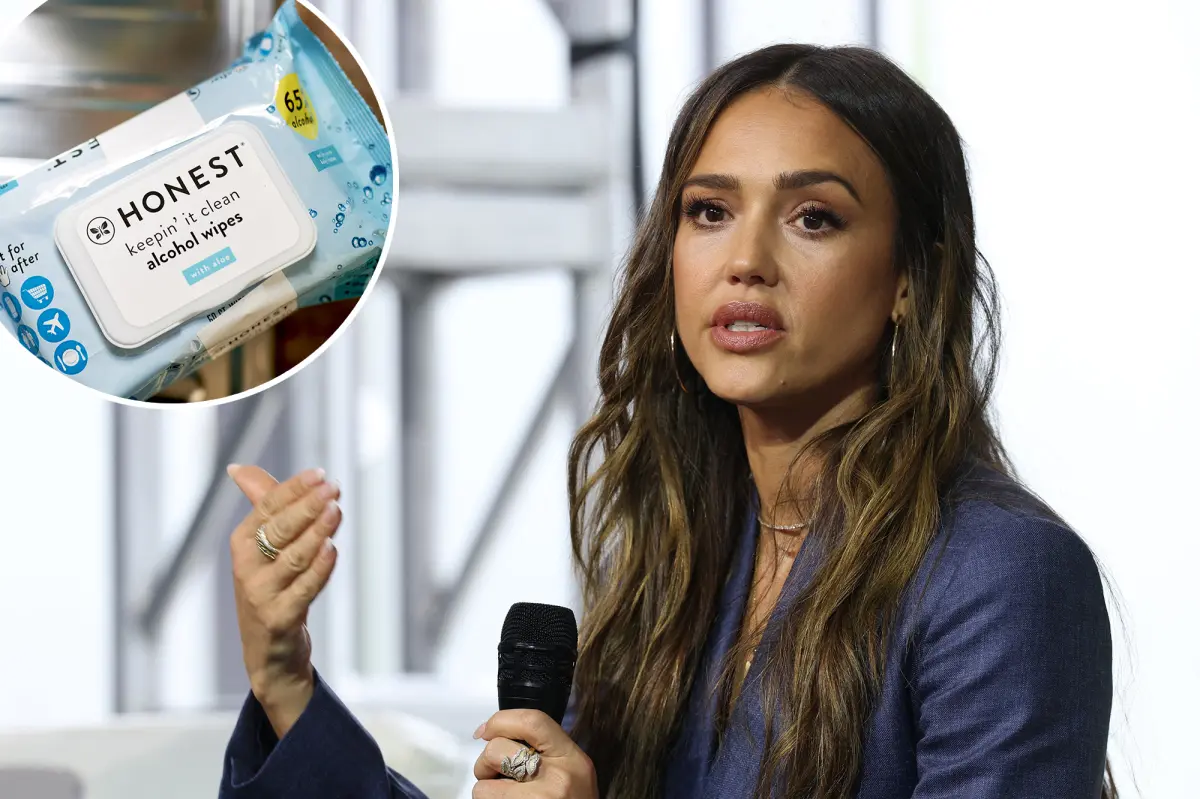
In a significant business transformation, The Honest Company, the sustainable baby and household products brand founded by Jessica Alba in 2012, has shuttered its direct-to-consumer operations. The company recently announced the closure of its app and website sales channels, pivoting instead to focus exclusively on selling through retail partners like Walmart, Target, Amazon, and Kroger. This strategic shift represents a dramatic change for a brand that initially built its reputation through direct consumer relationships, but now finds itself needing to streamline operations to ensure long-term viability in a competitive market landscape. While the company maintains this decision will better serve its mission of providing clean, sustainable products, it marks a substantial departure from its original business model and raises questions about the challenges facing mission-driven consumer brands in today’s retail environment.
The company’s restructuring began showing signs last November when Honest unveiled an updated business plan that included shutting down its website fulfillment operations, apparel division, and exiting the Canadian market entirely by closing both brick-and-mortar and online stores there. CEO Carla Vernón explained that these changes would allow the company to concentrate on what she termed their “core categories” – specifically wipes, personal care products, and diapers. While acknowledging these were lower-margin categories that might not immediately boost profits, Vernón expressed confidence that the strategic refocus would drive growth and improve profit margins over time. The company’s leadership repeatedly emphasized that reducing complexity in operations would strengthen profitability, suggesting that the previous direct-to-consumer model had become unsustainably complex or costly to maintain against the backdrop of broader retail challenges.
In communication with its customer base, The Honest Company attempted to frame this pivot as ultimately beneficial for consumers rather than a retreat from its founding principles. In a late December email to customers, the company insisted these changes were made “with you, our loyal Honest family, at heart” and would enable greater focus on product development adhering to their “rigorous Honest Standards.” The company assured customers that while direct purchases would no longer be possible, the website would remain active as a brand hub where consumers could explore products, learn about new launches, and find retail partners carrying Honest merchandise. This messaging reflects the company’s effort to maintain brand loyalty while fundamentally changing how customers interact with and purchase their products – a delicate balancing act for a brand built partly on direct consumer relationships.
Since its public market debut in 2021, The Honest Company has steadily expanded its retail partnerships, perhaps foreshadowing this eventual shift away from direct sales. The company began selling through Walmart in 2022 and strengthened its relationship with Ulta Beauty by placing products in physical stores and developing an exclusive product line. These expanding retail partnerships suggest The Honest Company had been gradually testing and building alternative distribution channels before making the decisive move to abandon direct sales entirely. For subscribers to the company’s Diapers + Wipes service, the transition was relatively abrupt – new subscriptions ceased being offered from November 12, 2025, with all active subscriptions terminating automatically after December 28, 2025, effectively ending one of the company’s signature direct customer relationships.
The strategic pivot coincides with significant internal leadership changes that further signal the company’s transformation. Jessica Alba, the founder and public face of the brand, stepped down from her role as chief creative officer in April 2024. The company also appointed both a new senior vice president of supply chain and a new chief financial officer this year, suggesting a comprehensive reorganization of the business’s leadership structure alongside its operational changes. These executive shifts indicate The Honest Company is not merely adjusting its sales channels but potentially reimagining its entire organizational approach and market positioning as it works to establish a sustainable business model in an increasingly challenging retail environment for specialty consumer products.
The financial markets have responded skeptically to The Honest Company’s strategic shift. JPMorgan recently downgraded the company’s stock (HNST) from Overweight directly to Underweight – bypassing the neutral rating entirely in what amounts to a significant vote of no confidence. The investment bank cited intensifying competition and ongoing challenges with diaper pricing as key concerns, suggesting The Honest Company may continue to underperform the broader market despite its restructuring efforts. This double-downgrade reflects the substantial skepticism among financial analysts about whether the company’s pivot away from direct sales will successfully address its fundamental business challenges. As The Honest Company completes this transition, the question remains whether abandoning direct consumer relationships in favor of retail partnerships represents a sustainable path forward or merely a temporary measure for a brand still searching for the right balance between mission and market reality.