







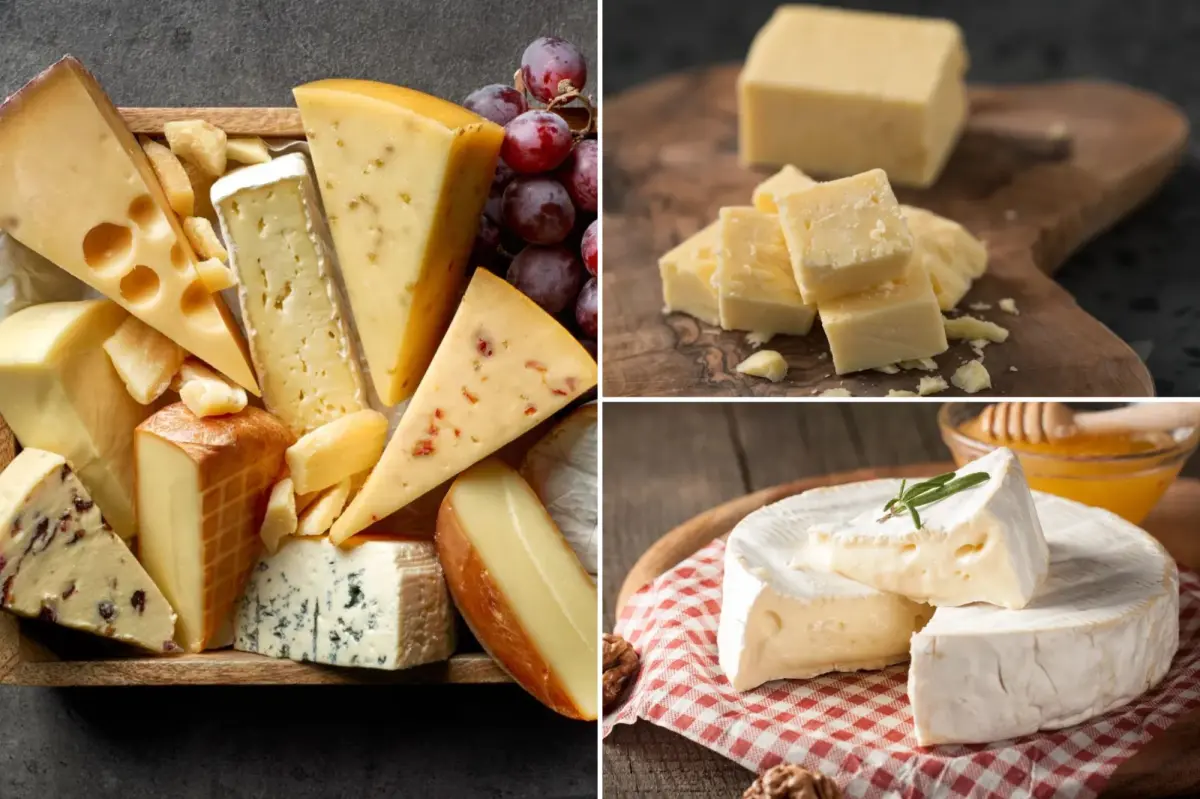
The Surprising Truth About Cheese and Heart Health: Not All Fats Are Created Equal
For decades, cheese has been vilified as a cholesterol-raising indulgence that health-conscious individuals should avoid, especially during the holiday season when cheese boards become a festive staple. However, recent scientific research and expert opinions from cardiologists and dietitians suggest that the relationship between cheese consumption and heart health is far more nuanced than previously thought. While certain varieties of cheese are indeed high in saturated fat and sodium, the way cheese acts within the body differs significantly from other saturated fat sources like butter or processed meats. This evolving understanding is changing how medical professionals view cheese as part of a heart-healthy diet, offering good news to cheese lovers who have been unnecessarily restricting one of life’s great culinary pleasures.
The traditional view that hard, aged cheeses such as cheddar, Parmesan, and Gruyère are “worst” for heart health due to their higher saturated fat content is being reconsidered in light of emerging research. Dr. Sam Setareh, director of cardiology at Beverly Hills Cardiovascular and Longevity and attending cardiologist at Cedars-Sinai Medical Center, points out that while these cheeses may appear problematic “on paper” because saturated fat raises LDL cholesterol, studies show that cheese affects cholesterol levels differently than isolated sources of saturated fat. The American Heart Association still recommends limiting saturated fat to less than 6% of daily caloric intake, but research indicates that cheese raises “bad” LDL cholesterol significantly less than would be expected from its fat content alone. More surprisingly, large population studies have actually linked cheese consumption with lower heart disease risk, challenging conventional wisdom about dietary fats and highlighting the importance of considering whole foods rather than just their individual nutritional components.
Scientists attribute cheese’s unexpected health profile to its unique “food matrix” – the complex interaction of various nutrients and compounds found naturally within the food. This matrix combines calcium, protein, and fermentation byproducts in ways that may actually reduce cholesterol absorption in the body. Fermented cheeses such as cheddar, Swiss, Gouda, Parmesan, feta, and blue cheese contain beneficial compounds including probiotics, vitamin K2, and bioactive peptides that may contribute to improved heart outcomes compared to other saturated fat sources. This explains why studies consistently show cheese having different – and often better – effects on cardiovascular health than butter or processed fats, despite similar saturated fat content. The discovery of cheese’s complex food matrix has important implications for nutritional science, suggesting that evaluating foods based solely on individual nutrients like fat grams fails to capture the full picture of how foods affect our bodies.
Despite these encouraging findings, nutrition experts emphasize that not all cheeses offer the same benefits, and portion control remains essential. Certain varieties – particularly soft, creamy, mild-tasting, or highly processed options like cheese spreads, sprays, and single-serve products – can be especially easy to overconsume, particularly during festive periods when indulgence is the norm. Washington-based women’s health dietitian Kari Hamrick identifies Brie, cheddar, and American cheese as “among the worst offenders” due to their high calorie density and concentrated fat content. Similarly, London dietitian Kezia Joy notes that harder, aged cheeses like cheddar, Gouda, Parmesan, and blue cheese, while potentially offering health benefits, are calorie-dense and can lead to overconsumption if portions aren’t carefully monitored. The risk isn’t necessarily in enjoying these cheeses occasionally, but in how quickly saturated fat intake can escalate when portion sizes grow unchecked, potentially contributing to elevated LDL levels over time.
For those concerned about heart health but unwilling to give up cheese entirely, experts suggest several varieties that can fit well into a balanced diet. Two-percent cottage cheese, part-skim mozzarella, reduced-fat feta, ricotta, goat cheese, and even small amounts of grated Parmesan are recommended options that contain less saturated fat per serving while still providing important nutrients like protein and calcium. While cheese can be high in sodium – another potential concern for heart health – studies suggest it doesn’t raise blood pressure as expected, and lower-sodium options like Swiss or fresh mozzarella can help mitigate this concern. Interestingly, research shows little difference in heart health outcomes between full-fat and low-fat cheese consumption, with Hamrick noting that full-fat versions often taste better, provide greater satiety, and may offer better nutrient bioavailability for fat-soluble vitamins. This suggests that the quality of cheese and portion size may be more important than whether it’s a full-fat or reduced-fat variety.
The key to incorporating cheese into a heart-healthy diet lies in mindful consumption practices and balancing it with other nutritious foods. Nutrition experts recommend using cheese as an accent rather than the main component of meals – for example, grating Parmesan over salads or melting small amounts into vegetable dishes. A reasonable portion is approximately 1 to 1.5 ounces per sitting (about the size of a pair of dice), and cheese should be balanced with fiber-rich foods like whole grains, nuts, fruits, and vegetables. For those concerned about sodium, pairing cheese with potassium-rich foods like apples can help offset its effects. Dr. Setareh emphasizes that cheese can absolutely fit into a heart-healthy diet, even during the holidays, when consumed as part of a balanced, minimally processed eating pattern. The evolving understanding of cheese’s complex relationship with heart health represents a broader shift in nutritional science away from demonizing specific nutrients toward considering the whole food and its place within overall dietary patterns – a more nuanced approach that ultimately allows for greater enjoyment of food while still supporting health.