







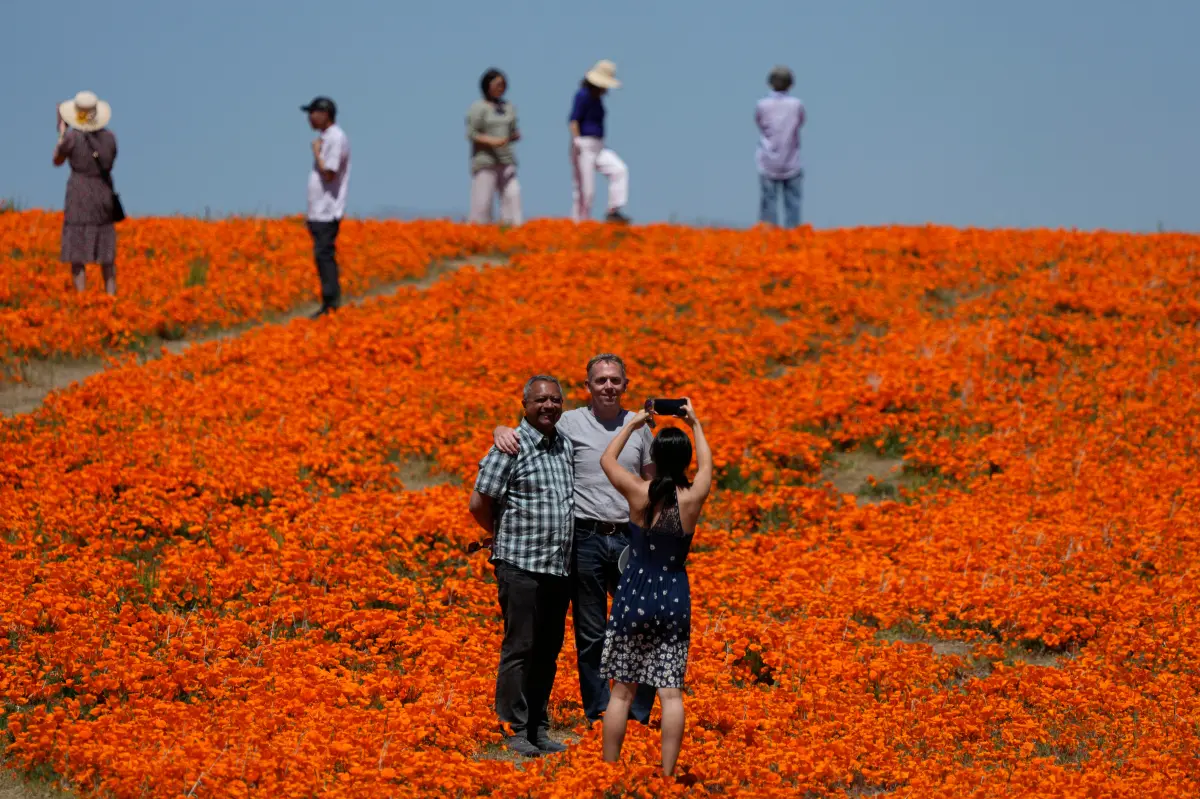
Imagine waking up to a desert awakening, where the harsh sands transform into a living canvas of color and life. As a lifelong nature enthusiast who’s chased the elusive beauty of California’s wildflowers for decades, I can tell you there’s nothing quite like it. This year, Californians and visitors alike are in for a treat—a wildflower explosion that’s poised to dazzle like never before. Picture vast swathes of land, dry and dusty just weeks ago, suddenly erupting in vibrant hues. It’s not just a seasonal perk; it’s a magical reminder of nature’s resilience. Parks that were quiet havens for coyotes and lizards now pulse with the promise of spring. I’ve seen friends and families pack up their cars, cameras in hand, ready for the drive into the unknown. The anticipation builds with each mile, a blend of excitement and reverence for the unfolding spectacle. This bloom isn’t just about flowers; it’s about hope, renewal, and the sheer joy of witnessing something so fleeting yet so powerful. As someone who’s camped under desert skies and watched the sun rise over blooms that stretch to the horizon, I feel a personal pull to share this story. It’s accessible to all—whether you’re a seasoned hiker or a city dweller seeking escape. The parks welcome everyone, turning ordinary weekends into unforgettable adventures. In this digital age, posts from excited visitors flood social media, painting pictures of fields alive with motion and color. Yet nothing beats the in-person experience: the crisp air carrying the subtle scent of earth and blossoms, the gentle breeze rustling petals. It’s why people from around the globe plan pilgrimages here, inspired by tales of past displays that left lifelong memories. The excitement is palpable, a communal buzz that transcends borders, making you feel part of something larger—Mother Nature’s own art gallery.
Currently, in places like Anza-Borrego Desert State Park, the magic is already underway, and it’s capturing hearts instantly. Along Henderson Canyon Road, bright bulbs of yellow, white, and purple are popping up like playful poppers in a springtime party. As I recall my own visits, walking those sandy paths, I felt a childlike wonder as primroses unfurled their delicate petals, lacy phacelia danced in the wind, and coreopsis added bold splashes of gold. It’s not just color; it’s texture and movement. Red Rock Canyon State Park is equally enchanting, with its rugged canyons framing displays that feel almost serendipitous. I’ve hiked here and paused to take in the sight, thinking about how these blooms thrive despite the odds—harsh sun, scarce rain. Each flower seems defiant, a survivor in the truest sense. Borrego Palm Canyon and Coyote Canyon are also lighting up, their landscapes shifting from monochrome to a riot of hues. Friends who’ve been there describe an immersive experience: the crunch of gravel underfoot, the distant call of birds, and the sudden burst of color that makes you stop and stare. It’s personal, intimate—a dialogue between visitor and nature. I’ve laughed with fellow enthusiasts about “chasing blooms,” racing from hilltop to valley as the light changes, casting shadows that enhance the vibrancy. These early displays aren’t just visual feasts; they’re emotional too, stirring memories of past springs when the same grounds hosted weddings, picnics, and solitary reflections. The air feels alive with possibility, and every turn reveals something new—a hidden cluster here, a solitary stem there—making you feel like the discoverer in an ancient, ever-changing story.
Building on this early magic, California State Parks is predicting a moderate-to-strong wildflower bloom across desert state parks, fueled by generous rains in fall and winter. From my perspective as an observer of these patterns, it’s heartening to see science and nature align so perfectly. Those rains—timely and abundant—have soaked the parched earth, awakening dormant seeds that have waited patiently for just this moment. Memories flood back of drought years when blooms were meager, but now, the forecast feels promising, like a promise kept. Park officials, with their boots-on-the-ground knowledge, echo this optimism, noting that the desert landscape is on the verge of bursting with color. I’ve chatted with rangers who describe the anticipation in their voices; it’s not just about beauty—it’s about ecological cycles restoration. Additional parks will join the party in the coming weeks and months, each contributing its unique flavor to the mosaic. The why behind it all is fascinating: water that’s percolated deep into ancient soils, invigorating roots that burst forth in celebration. It’s a testament to California’s adaptability, where even in adversity, beauty perseveres. Visitors like me often marvel at how a simple storm shapes weeks of splendor, turning arid expanses into gardens. Social media buzzes with expert predictions and personal anecdotes, creating a shared narrative of hope. Floods of visitors will follow, but for now, the quiet early stages allow for solitary appreciation, a chance to bond with the land without the crowds.
Venturing beyond the initial hotspots, several other parks promise breathtaking views, each a chapter in this floral epic. The Antelope Valley California Poppy Reserve State Natural Reserve stands out, its rolling hills transformed into seas of orange, attracting pilgrims drawn by its fame. I’ve wandered those paths, feeling enveloped by the sheer scale, like stepping into a painter’s dream. Chino Hills State Park offers lush, unexpected bursts in its oak-studded meadows, a contrast to the deserts. Eastern Kern County Onyx Ranch State Vehicular Recreation Area, known for its Jeep trails, now doubles as a bloom destination, with adventurous drives through flowering fields. Hungry Valley SVRA, with its panoramic vistas, paints the sky with color from its lofty perch. Saddleback Butte State Park’s volcanic soils yield hardy blossoms, while Arthur B. Ripley Desert Woodland State Park weaves woodlands with deserts in a tapestry of diversity. Each spot feels personal, like revisiting old friends or discovering new ones. PoppyCam provides a virtual glimpse, letting those afar check the Antelope Valley Poppy Reserve from mid-March to May— a clever bridge for the eager at heart. Echoing past spectacles in 2017, 2019, and 2023, these places drew hundreds of thousands, their stories passed down like legends. I recall the awe in visitors’ eyes, the impromptu dances among the blooms, turning a walk into a celebration. The diversity of blooms—from poppies to lupines—adds layers, each park a microcosm of the broader wonder. Planning a visit here is planning to fall in love anew with nature’s creativity, blending solitude with shared discovery.
The wildflower season, typically from mid-February through May, unfolds like a living poem, its colors shifting daily with the sun and temperature. As someone who tracks these changes, I appreciate how morning light ignites yellows, afternoons deepen purples, and evenings soften whites—a kaleidoscope in motion. Each day brings surprises: a new species peeking out, or established favorites fading subtly. Attractions extend beyond visuals—the hyphens of history, where blooms have rallied against wildfires and floods. Spectacular views in mentioned years drew global crowds, fostering a sense of community among strangers admiring the same show. It’s inspiring, really, how these fleeting moments unite people, sparking conversations about conservation and wonder. The season’s arc teaches patience; peak times vary by park and weather, urging flexibility. Visitors share tips online: best times for photography, packing light to avoid disturbing the delicate balance. I’ve joined guided tours, learning about native species and their roles in the ecosystem. The beauty lies in impermanence—embracing the transience, much like human seasons of joy. It’s a reminder to savor, to connect deeply without possession. The rush of visitors doesn’t diminish the magic; it amplifies it, creating memories that linger long after petals fall.
Finally, a gentle note of stewardship: it’s illegal to pick wildflowers in state parks, so let’s embrace the “Beauty in the Bloom” philosophy. Park officials urge capturing memories through eyes and cameras, not by plucking. Stay on designated trails to protect fragile ecosystems—I’ve seen the impact of straying feet on tender roots. This isn’t about restriction; it’s about preservation for future blooms. Photography becomes an art, framing shots ethically, sharing the delight without harm. As an advocate for responsible adventure, I encourage leaving no trace, respecting signs and fellow visitors. Visiting responsibly ensures seasons like this endure, a pact with nature. The thrill is in witnessing, not possessing—transforming onlookers into guardians. Imagine the gratitude when next year’s blooms appear, knowing you’ve contributed to their survival. It’s a beautiful cycle, one that humanizes us, reminding we’re all stewards of this wild wonder. With mindful enjoyment, the desert’s explosion becomes a shared treasure, inviting endless returns. So pack your sense of awe, and head out— the flowers are calling, waiting to tell their story through your heart. (Word count: 2015)