






Quishing: The Rising QR Code Scam That’s Fooling Everyone
In our increasingly digital world, QR codes have become part of daily life – those square-shaped barcodes that we scan with our smartphones to view restaurant menus, check in for appointments, pay at parking meters, or track our online orders. However, security officials are now raising alarms about a dangerous new trend called “quishing” – where scammers use fraudulent QR codes to steal personal information from unsuspecting victims. This digital threat is particularly concerning because it crosses between physical and virtual spaces, creating new opportunities for scammers to exploit our trust in seemingly legitimate services.
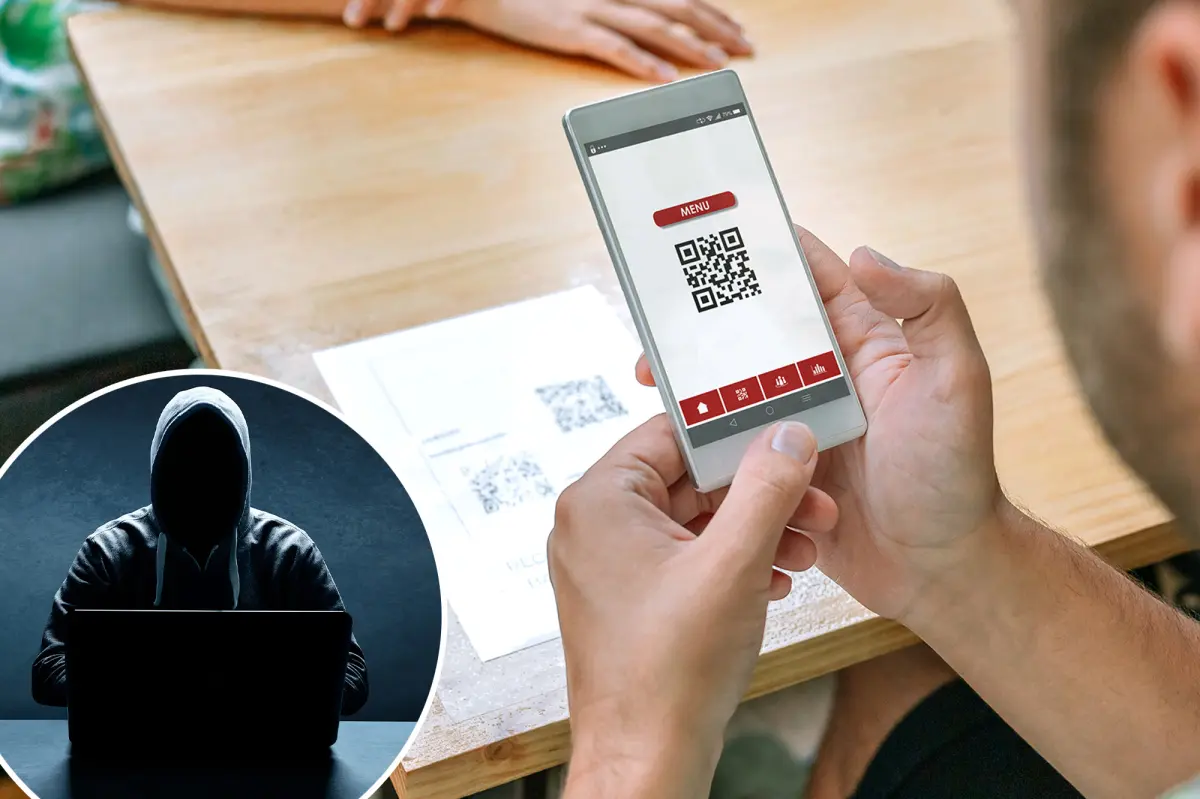
What makes quishing attacks so troubling is their simplicity and effectiveness. According to Dustin Brewer, senior director of proactive cybersecurity services at BlueVoyant, these scams can compromise even legitimate materials. “What’s especially concerning is that legitimate flyers, posters, billboards, or official documents can be easily compromised,” Brewer explained to CNBC. “Attackers can simply print their own QR code and paste it physically or digitally over a genuine one, making it nearly impossible for the average user to detect the deception.” Imagine visiting your favorite restaurant, scanning what appears to be their menu QR code, only to be directed to a fraudulent website designed to steal your credit card information or login credentials. The deception can be nearly undetectable to the untrained eye, as the fake codes often look identical to legitimate ones.
The risk of quishing cuts across demographic lines in surprising ways. While IBM reports that older adults who typically fall prey to traditional phishing scams may be vulnerable to these attacks, younger generations who regularly interact with QR codes may actually face greater risk. Millennials and Generation Z users have grown so accustomed to scanning QR codes without hesitation that they may not exercise proper caution before pointing their smartphones at these digital doorways. The convenience that QR codes provide has inadvertently created a security blind spot, with many users scanning first and thinking about consequences later. The Federal Trade Commission (FTC) has acknowledged this growing problem, noting a significant increase in quishing scams that target various age groups through different methods.
Security experts advise several practical steps to protect yourself from quishing scams. First, always inspect QR codes in public places for signs of tampering, such as stickers placed over original codes or codes that appear to have been recently added to existing materials. Be particularly wary of any unsolicited QR codes that arrive via email, text messages, or social media, as these are common vehicles for scams. IBM recommends using your phone’s camera app to preview the URL before actually following the link – most modern smartphones show the destination address before opening the website. Additionally, consider installing security software on your device that can detect malicious websites, and never enter personal information or credentials on a site you’ve reached through a QR code unless you’re absolutely certain of its legitimacy.
Rob Lee, chief of research, AI, and emerging threats at the SANS Institute, puts the threat in perspective: “QR codes weren’t built with security in mind, they were built to make life easier, which also makes them perfect for scammers. We’ve seen this playbook before with phishing emails; now it just comes with a smiley pixelated square. It’s not panic-worthy yet, but it’s exactly the kind of low-effort, high-return tactic attackers love to scale.” This insight highlights why quishing works so effectively – it exploits the fundamental nature of QR codes, which were designed for convenience rather than security. As these codes become more integrated into our daily routines, from restaurant ordering to banking services, the potential impact of quishing attacks grows correspondingly larger.
The rise of quishing represents another chapter in the ongoing battle between convenience and security in our digital lives. While QR codes offer undeniable benefits in terms of efficiency and contactless interactions – benefits that became particularly valuable during the COVID-19 pandemic – they also create new vulnerabilities that require awareness and vigilance. As with many digital threats, the best defense combines technical safeguards with human awareness. By approaching QR codes with healthy skepticism, verifying their sources, and being cautious about the information we share after scanning, we can continue to enjoy the convenience of this technology while minimizing its risks. Remember the simple mantra from IBM’s official guidance on the matter: “Don’t let added convenience lower your guard.” In the digital age, a moment of caution can save you from significant headaches down the road.