




The Hidden Dangers on Your Plate: Food Safety Experts Reveal What They Won’t Eat
Most Americans reach for salads assuming they’re making a healthy choice, but food safety experts have a startling message: some of the “healthiest” foods on your plate might be the most dangerous. Bill Marler, a Seattle attorney who has spent decades litigating major foodborne illness cases, has a personal blacklist of foods he refuses to consume. This includes bagged salads, fruit cups, deli meats, ready-to-eat meals, and raw sprouts. His dining habits have raised eyebrows—even prompting chefs to check on him when he orders well-done steaks. “I explain what I do for a living,” Marler told The Washington Post. “It’s an occupational hazard.” His concerns aren’t unfounded. These seemingly innocent foods have been repeatedly linked to serious outbreaks of Listeria, E. coli, and Salmonella, often due to cross-contamination issues that occur during processing, packaging, and food preparation.
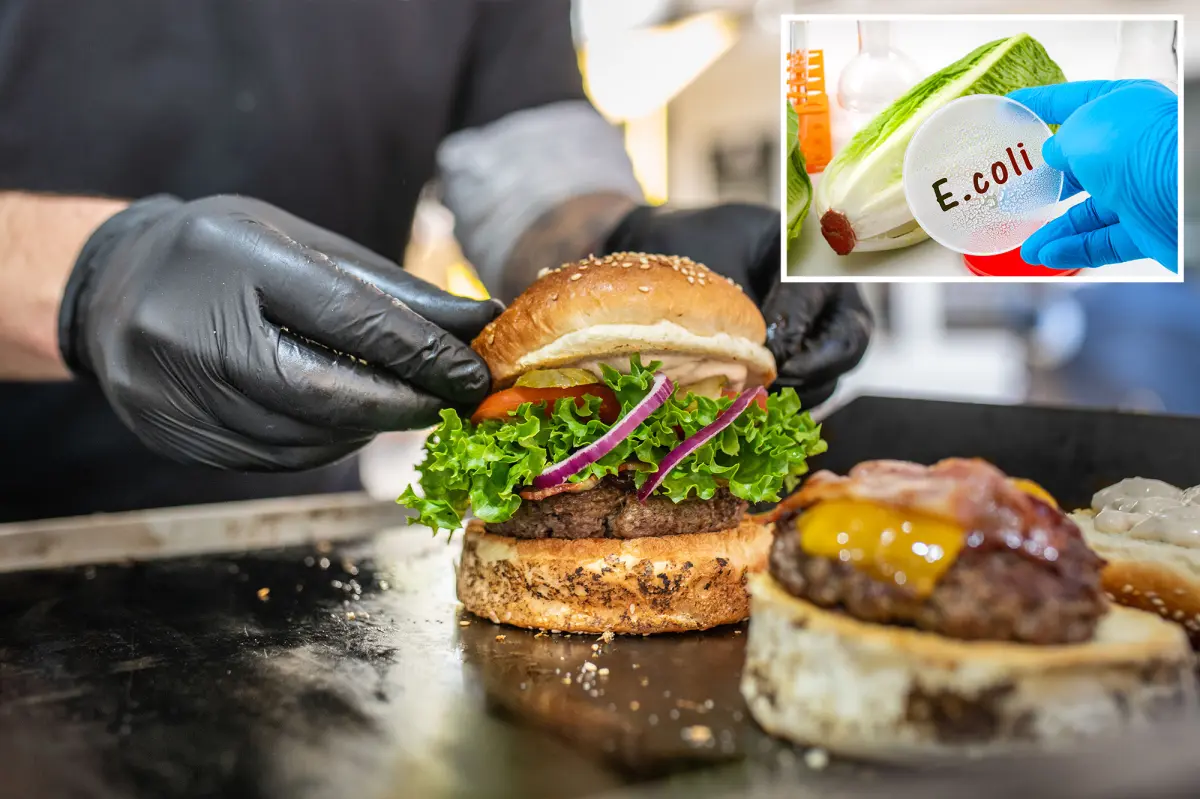
The landscape of foodborne illness has undergone a dramatic shift over the past few decades. In the 1990s, hamburgers were considered the greatest threat to public health, particularly after a devastating 1993 E. coli outbreak hospitalized over 170 people and claimed the lives of four children. However, following stricter regulations and substantial safety improvements in meat processing, the primary culprits have changed. According to Jason Reese, an Indiana-based food safety expert and personal injury attorney, “Today, the danger has flipped. Lettuce and other leafy greens now cause far more outbreaks than hamburgers.” This counterintuitive reality challenges our perception of what constitutes “risky” food. While many consumers remain vigilant about properly cooking meat, they may be overlooking the salad that accompanies it—which, ironically, could pose the greater threat to their health.
The reasons behind leafy greens becoming a leading source of foodborne illness are complex and systemic. Food scientist Bryan Quoc Le explains that unlike ground beef, which has benefited from enhanced testing and cooking requirements, leafy greens lack a crucial “heat step” that would kill harmful pathogens. The problem begins early in the supply chain, where contamination often occurs through irrigation water from nearby cattle operations. Further complicating matters is the centralized processing model for produce: greens are mixed in enormous batches and distributed nationwide, meaning “a single contamination event can affect many people before it’s detected,” Le notes. This widespread distribution network creates the perfect conditions for large-scale outbreaks. The current food system offers convenience but at a potentially significant cost to public health, as contaminated products can reach millions of consumers before health officials can identify and respond to an outbreak.
The statistics surrounding foodborne illness in America are sobering yet frequently overlooked by the general public. According to the Centers for Disease Control and Prevention (CDC), approximately 48 million Americans—roughly one in six people—suffer from foodborne illnesses annually. These infections result in an estimated 128,000 hospitalizations and 3,000 deaths. While the U.S. food supply remains among the world’s safest, produce accounts for a substantial portion of these cases, particularly norovirus, which is the leading cause of foodborne illness in the country. Reese emphasizes the human impact behind these numbers: “Seeing the victims I’ve represented go into kidney failure and need dialysis for life just from one restaurant salad is eye-opening.” The consequences can be particularly severe for vulnerable populations like young children, pregnant women, the elderly, and those with compromised immune systems. For these groups, experts suggest that consuming certain high-risk foods simply isn’t “worth the gamble.”
Food safety experts do differ on some specific recommendations, revealing the nuanced nature of food safety risks. While Marler advocates for well-done steaks, New Jersey dietitian and former food safety inspector Tina Marinaccio takes a more moderate position. “If you’re not immunocompromised or pregnant, get the rare steak,” she advises, explaining that E. coli would be killed on the surface during normal cooking. She clarifies that ground beef presents a different challenge, as bacteria can be distributed throughout the meat, requiring it to reach 160 degrees Fahrenheit to be safe. This distinction highlights the importance of understanding the specific mechanisms of contamination for different food products. Marinaccio also points to a broader issue in food safety awareness: “Most Americans are completely clueless about what happens to their food before it gets to their plates.” This knowledge gap represents a significant obstacle to improving consumer practices and reducing illness rates.
Despite these concerning realities, experts emphasize that many foodborne illnesses are preventable through simple precautions and increased awareness. Proper handwashing and better glove training for food service workers are essential, as poor hygiene remains one of the most common sources of contamination. Food scientist Le suggests treating bagged salads as higher-risk foods and recommends cutting produce at home rather than purchasing pre-cut options. For consumers dining out, being selective about where and what you eat can significantly reduce your risk. While the experts interviewed have personal rules they follow—such as avoiding restaurant salads entirely—they don’t suggest Americans need to eliminate entire food groups. Instead, they advocate for informed choices, proper food handling, and understanding which populations face higher risks. By balancing convenience with caution and developing a deeper awareness of how our food is produced and prepared, consumers can continue to enjoy diverse diets while minimizing their exposure to potentially dangerous pathogens.