







Airlines’ Shrinking Legroom: A Closer Look at the Cabin Space Crisis
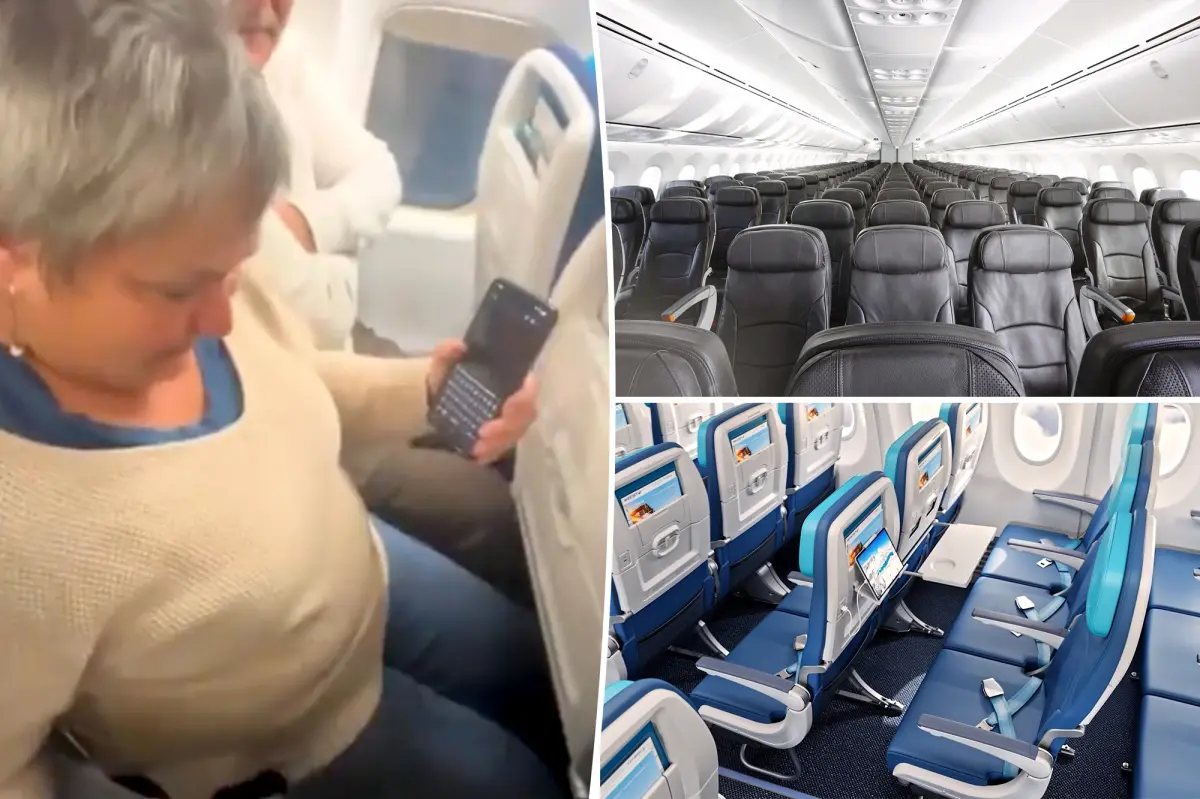
The viral video of WestJet passengers with knees extending under the seat in front of them has reignited conversations about airline legroom. The Canadian carrier’s new fixed recline design in coach (unless passengers pay extra for premium seats) allows the airline to add an extra row of seats, potentially lowering fares but at the cost of passenger comfort. With some rows featuring a claustrophobic 28-inch “seat pitch” (the distance between seats), travelers are increasingly concerned about what seems like “sky shrinkflation” – airlines maximizing profits by reducing personal space. This configuration falls significantly below the 30-31 inches most carriers have historically offered as minimum standards, causing discomfort for many passengers, particularly those with longer legs.
However, flight experts note that WestJet isn’t alone or even the worst offender in the battle for cabin space. Several budget airlines already operate with similarly tight configurations as standard practice. Spirit and Frontier both typically offer just 28 inches in standard economy, consistently ranking at the bottom for legroom in passenger surveys. International carriers like Jetstar (28-29 inches depending on aircraft) and Scoot (28-29 inches on A320/A321 planes) follow closely behind. Perhaps most concerning is Vueling’s A321neo configuration, where some seats offer a mere 27.6 inches – among the tightest in commercial aviation. These measurements reflect an industry trend that has seen major US carriers reduce legroom by 2-5 inches since the 1980s, fundamentally changing the flying experience for economy passengers.
The good news is that a tight pitch measurement doesn’t automatically translate to extreme discomfort. Innovative airlines have found ways to mitigate cramped conditions through clever design features. By reshaping and angling seatback shells, carriers can maximize usable leg clearance even within limited pitch measurements. Some airlines have also redesigned features like seatback pockets, moving them away from knee areas to create more perceived space. These ergonomic innovations demonstrate that passenger comfort isn’t solely determined by the raw pitch number but also by thoughtful cabin design that considers how humans actually use the space available to them during flight.
Safety concerns about tighter seating configurations have also been raised, but according to the Federal Aviation Administration, there is no documented evidence that reduced seat pitch hinders evacuation procedures. In fact, some evacuation drills have shown that lower seats may actually be easier to climb over during an emergency, potentially helping passengers escape more efficiently. This is partly why regulators like the FAA haven’t imposed minimum seat pitch mandates, though airlines must still demonstrate they can evacuate an aircraft within 90 seconds to meet certification requirements. The balance between passenger comfort, airline economics, and safety considerations remains a complex equation for the industry to solve.
Despite the trend toward tighter configurations, not all carriers have embraced extreme space reduction. Several major US airlines continue to offer more generous legroom in their economy cabins. According to data from aviation firm OAG, JetBlue leads the pack with an impressive 32.7 inches of seat pitch in standard economy – nearly 5 inches more than the tightest configurations in the industry. Southwest follows with 31.7 inches, while Delta and Alaska both provide 31 inches. Even American Airlines, which has reduced space over the years, still maintains 30.3 inches on average across its fleet. These measurements demonstrate that while the industry trend may be toward reduction, significant variations exist between carriers, giving passengers options if they prioritize space.
For travelers concerned about comfort on longer flights, this information provides a valuable decision-making framework. Rather than assuming all economy experiences are created equal, passengers can now make informed choices based on which airlines consistently offer more space. Additionally, understanding that legroom is just one factor in overall comfort can help travelers evaluate seating options more holistically. Features like seat width, cushioning quality, and recline functionality also significantly impact the flying experience. As airlines continue to balance profit margins with passenger experience, consumers’ willingness to pay premiums for comfort (or accept discomfort for lower fares) will ultimately shape the future of aircraft cabin design. The battle for inches in the sky reflects broader tensions between convenience, comfort, and cost that define modern commercial air travel.