




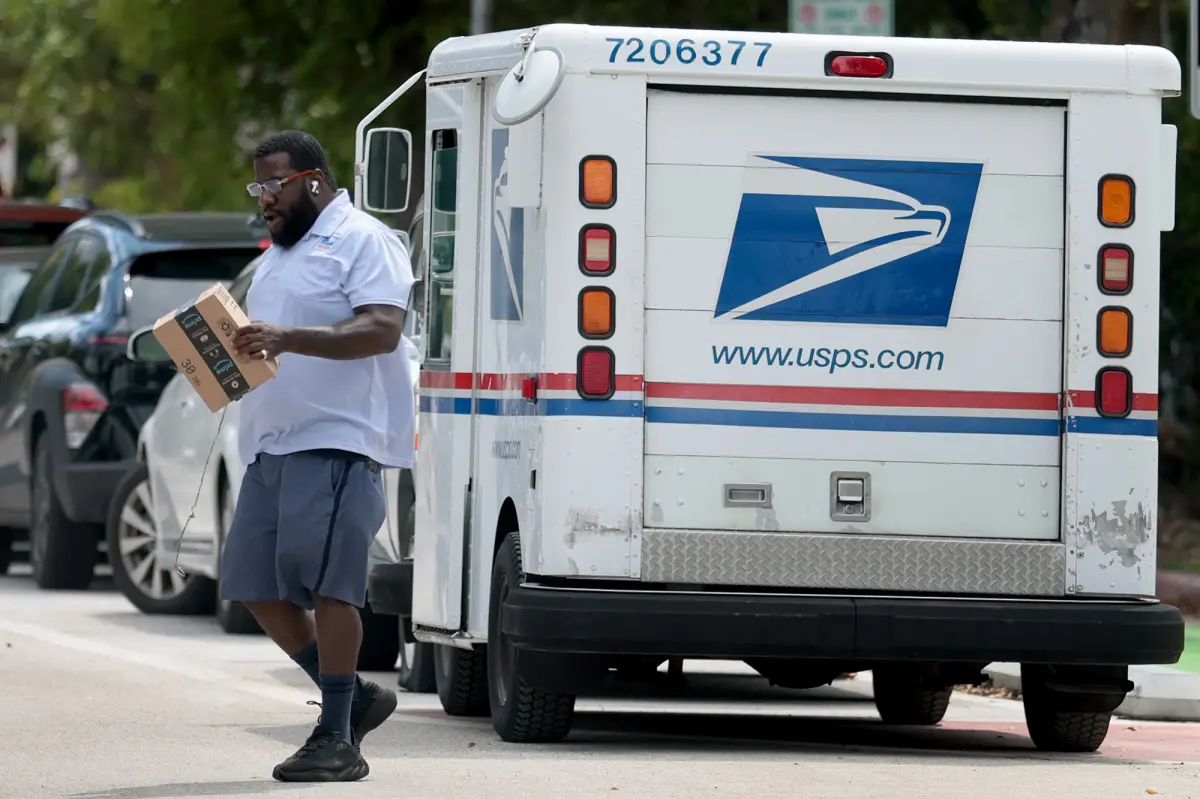
Imagine waking up one day to find your mailbox empty, not just from a mix-up in delivery, but because the entire Postal Service has ground to a halt. That’s the scary reality facing millions as the United States Postal Service teeters on the brink of bankruptcy. Postmaster General David Steiner dropped a bombshell in front of Congress, warning that without urgent help, the agency could run out of cash by October this year. By next year, picture this: no stamps for sale, no letters, no bills, and no packages making their way across the country. It’s not just a glitch—it’s a full shutdown, leaving everyday folks like you and me scrambling for alternatives in a world that still relies on snail mail for everything from birthday cards to essential prescriptions. Steiner’s blunt message hit hard: “At our current rate, we’ll be out of cash in less than 12 months.” For many, it’s a reminder of how fragile our daily conveniences can be, and how easy it is for something as simple as the mail to vanish if behind-the-scenes issues aren’t fixed.
To understand how we got here, rewind to 2006, when the USPS was a powerhouse, delivering a staggering 213 billion pieces of mail annually. Fast-forward to today, and that volume has plummeted amid the rise of emails, texting, and online shopping. The agency hasn’t seen a profit since 2007, racking up losses year after year—last fiscal year alone saw a whopping $9 billion deficit, with another $1.3 billion already gone in the early months of 2026. Steiner painted a vivid picture for lawmakers, comparing the Postal Service to a ship tossed overboard, handed an anchor instead of a lifeboat. It’s a human story of neglect; think about the dedicated workers who’ve been part of this institution for decades, only to watch it bleed red ink. This isn’t just financial jargon—it’s about jobs, communities, and the emotional toll on people who depend on a stable job delivering your letters, especially in rural areas where the post office is a lifeline.
What’s fueling this freefall? Part of the problem lies in outdated obligations, like hefty retirement benefits that the USPS keeps paying out without reprieve. Steiner warned that if things stay as they are, the cash could dry up as soon as this fall. Even if they skip some payments, it might stretch to February 2027, but that’s no real solution—just delaying the inevitable. For regular Americans, this means pondering what happens to life as we know it: grandparents without their pension checks, small businesses faltering without invoices, and families missing out on cherished mail. It’s a wake-up call that even a bedrock of American infrastructure can crumble if not supported, making us all feel a bit vulnerable in our reliance on it.
To pull itself out of the abyss, Steiner is pleading for congressional intervention—more borrowing power, boosts in postage rates, and regulatory tweaks to modernize operations. He envisions changes that would finally bring the USPS back into the green, ensuring it can meet our needs. But enacting these could mean higher costs for everyone, a trade-off between stability and affordability. As a consumer, it’s tough watching prices rise while service feels slower, but delaying action might mean losing the mail forever. Steiner’s urgency feels personal; it’s like pleading for a family business to survive, where every delay chips away at our collective sense of security.
Throw another wrench into the works: the Postal Service might be losing its biggest ally, Amazon. With their current shipping deal expiring in September, negotiations collapsed in December 2025 when the USPS reportedly pulled out abruptly. Amazon insists they wanted to ramp up deliveries, not cut back, valuing the partnership despite the tension. They’ve extended an olive branch, urging meetings with Steiner to revive things, but the window’s closing fast. For many of us, Amazon packages are a daily dose of joy—new gadgets, books, or groceries arriving on time. If this split happens, it could mean slower, pricier deliveries through other carriers, hitting our pockets and patience hard. It’s a reminder that corporate giants and government agencies are intertwined, and when they clash, it’s the little guy who feels the ripple effects most.
Amid this chaos, the USPS is pushing ahead with a 10-year plan to turn things around, including price hikes kicking in January 18, 2026—up 6.6% for Priority Mail, 5.1% for Express, and more for ground services. Thankfully, the classic first-class stamp stays put for now, a small win in an otherwise uphill battle. But critics argue it’s like paying extra for what feels like subpar service, with slower times compounding the frustration. As we gaze into an uncertain future, it’s hard not to feel a pang of nostalgia for the dependable days of yore. Will Congress step up? Or will we all adapt to a mail-less world? One thing’s for sure: the USPS’s struggles are a mirror to bigger issues in how we sustain essential services in a fast-changing society, making every American stakeholder in its fate. Let’s hope for a comeback; we all have personal stakes in seeing our mail—and our trust in institutions—delivered safely.