



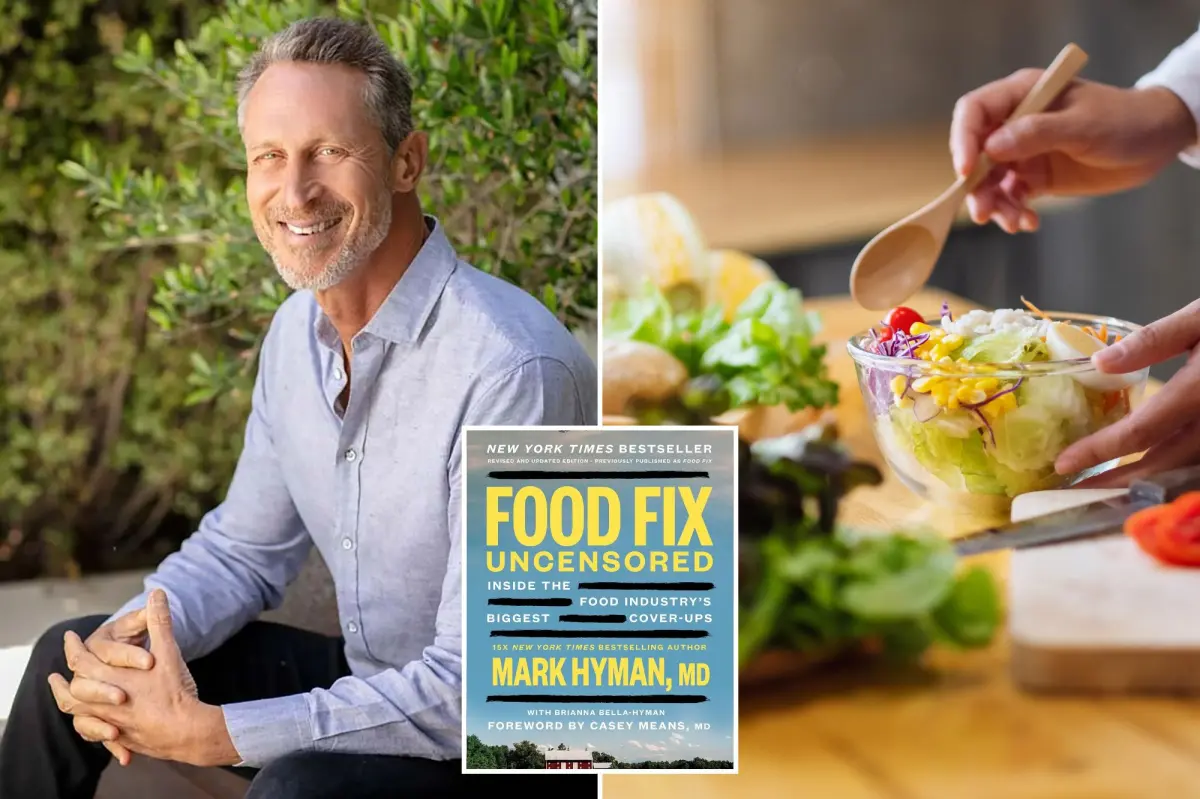
Dr. Mark Hyman, a renowned functional medicine specialist, isn’t holding back in his latest book, “Food Fix Uncensored: Inside the Food Industry’s Biggest Cover-Ups.” He paints a stark picture of how America’s obsession with ultra-processed junk food isn’t just a matter of personal choice—it’s a calculated setup by the food industry to keep us hooked, hungry, and frankly unwell. Imagine waking up every day with cravings that feel impossible to shake, no matter how full you might be. That’s the reality for millions, driven not by weakness, but by a system rigged from the start. Nutrient-poor crops, aggressive marketing that targets kids and families, and government policies subsidizing cheap, harmful ingredients have created a perfect storm. Hyman explains it bluntly: we’ve built a food ecosystem that makes sickness the default, not the exception. It’s not just about what we eat; it’s about how these foods are silently rewiring our bodies, messing with our biology in ways that set us up for chronic diseases like obesity, diabetes, and heart issues. As someone who’s seen patients struggle firsthand, I can tell you Hyman speaks from a place of frustration and hope—frustration because this crisis is skyrocketing, with chronic disease rates exploding nationwide, and hope because he believes we can fix it by reclaiming food as our most powerful tool for health.
Diving deeper into the science, Hyman describes how highly processed foods act like a hijacker in our own bodies. They don’t just fill us up; they disrupt the gut microbiome—that delicate balance of trillions of microbes that help digest food, regulate immunity, and even influence our mood. Instead of nurturing this vital ecosystem, junk foods laden with refined sugars, unhealthy fats, chemical additives, and overly processed ingredients cause widespread inflammation, hormonal imbalances, and even “addiction” in the brain. Think of it like this: these foods trigger dopamine pathways, the same reward centers activated by drugs or gambling, making it a constant battle to say no. You scarf down a bag of chips, feel that initial rush, but soon you’re reaching for more because your body craves that high. Over time, this leads to metabolic dysfunction, where your body can’t properly process insulin or regulate blood sugar, paving the way for a domino effect of illnesses. It’s not just about gaining weight or feeling sluggish; it’s whole-body dysfunction that can manifest as depression, digestive problems, or even cognitive decline. I’ve spoken to so many people who feel powerless against these cravings, like their brain is fighting them at every turn. Hyman argues it’s no accident—food companies engineer these products to be irresistible, exploiting our biology for profit. But understanding this isn’t about blame; it’s about awareness, recognizing that willpower alone can’t compete with systemic rewiring.
Shifting gears, Hyman revisits the timeless idea of food as medicine, something ancient cultures mastered long before modern science weighed in. For thousands of years, civilizations used whole foods to prevent disease, manage health, and even reverse ailments, but we’ve lost that wisdom in our fast-food frenzy. Now, in the West, there’s a growing movement questioning why our healthcare system fixes symptoms with pills instead of building true health from the roots. Enter Hyman’s call for food policy reform—policymakers and everyday folks are finally asking, “What’s really in our food and how do we change it?” He sees this as a pivotal moment; people aren’t just complaining; they’re demanding solutions. While there’s no one magic diet for everyone—our bodies are as unique as our fingerprints—Hyman outlines four core principles to kickstart real change. He emphasizes starting small, not overwhelming yourself with radical overhauls. Each tip feels practical, like rediscovering the joy of eating foods that actually nourish us. It’s a reminder that health isn’t punishment; it’s empowerment. In his book, he pulls back the curtain on industry secrets, showing how processed foods are quietly sabotaging us, but he also inspires with stories of transformations. I’ve read countless health books, and what stands out here is Hyman’s compassionate tone—he’s not shaming; he’s educating, making it clear that we all have a role in fighting this.
The first principle Hyman champions is simple yet revolutionary: eat real food. Imagine piling your plate high with vibrant vegetables, lean proteins, healthy fats, and whole foods that haven’t been stripped of their goodness. No more fake fillers or lab-made flavors—just the wholesome stuff nature intended. He advises going beyond the standard advice; it’s about creating meals that satisfy on multiple levels, keeping you energized without the crash. Transitioning from a diet of pretzels and sodas to this can feel daunting at first, but Hyman suggests making it fun—exploring farmers’ markets, trying new recipes, or even preparing meals as a family ritual. Personal anecdote from his work: patients who switch to real food report clearer minds, stable energy, and fewer aches. It’s about crowding out the bad with the good, not deprivation. The second principle focuses on balancing blood sugar, crucial because erratic spikes lead to fatigue, irritability, and long-term issues. Key move: start your day with protein and fat, not sugar bombs like cereals or pastries. Think eggs with avocado or Greek yogurt topped with nuts—these keep you steady, preventing the rollercoaster that processed carbs create. Hyman explains how this stabilizes hormones like insulin, making it easier to maintain a healthy weight and mood.
Moving into inflammation reduction, Hyman’s third principle cuts right to the chase: ditch highly processed foods, refined sugars, flours, and industrial oils—the big culprits hiding in every aisle. Sugary drinks alone? Major offenders; swap them for water with lemon or herbal teas. Packaged snacks? Replace with homemade alternatives like veggie sticks and hummus. Reading labels becomes your superpower—fewer ingredients mean less chance of hidden nasties. Cooking at home empowers you to control your plate, turning meal prep into a mindful act rather than a chore. And don’t forget to replace, not just remove; Hyman encourages creativity, like roasting vegetables with olive oil or making your own dressings. The fourth principle is all about nourishing the gut microbiome, that overlooked hero in our health story. Add diversity with plants—aim for one new vegetable weekly—and include fermented foods like sauerkraut, kefir, or kimchi to boost beneficial bacteria. Variety isn’t just spice; it’s protection against digestive woes, improved immunity, and even better mental health. Hyman ties it all together with his book, which demystifies the “cover-ups” in the industry, like how corn subsidies fuel high-fructose syrup production. It’s an eye-opener, showing how policy shapes our plates. He shares tips on navigating this world, like advocating for changes in schools or workplaces for healthier defaults. But it’s not preachy—Hyman acknowledges slips happen; the goal is progress, not perfection.
When it comes to specific diseases like heart disease and type 2 diabetes, Hyman offers targeted strategies grounded in science. The CDC paints a grim picture: three-quarters of American adults have at least one chronic condition, half have two or more, and cardiovascular disease kills someone every 34 seconds. Yet, food can change the trajectory dramatically. For heart health, eliminate processed foods and inflammatory industrial seed oils like canola or soybean. Instead, embrace omega-3s from fish or flaxseeds, colorful veggies bursting with antioxidants, nuts, seeds, olive oil, and quality proteins like grass-fed meat. This combo reduces inflammation, balances cholesterol, and protects arteries—think of it as rewiring your body’s defenses against plaque buildup. Patients Hyman cites have seen LDL levels drop and energy soar after adopting this. Type 2 diabetes, affecting over 36 million Americans, stems largely from insulin resistance fueled by high sugar and carbs. His advice: ban sugar and refined carbs, focusing on protein, fiber-rich veggies, healthy fats, and low-glycemic fruits like berries. This stabilizes blood sugar, curbs insulin spikes, and often reverses resistance over time. I’ve heard stories of people ditching insulin through these tweaks, though always with medical supervision. Hyman stresses root-cause addressing over symptom management—it’s preventive medicine in action.
Wrapping up, Hyman’s message is empowering yet urgent: “When you change what’s on your plate, you change your biology.” His book is a comprehensive playbook for reclaiming health amid the chaos, packed with actionable steps and exposing industry deceptions. For extra support, his free Digital Action Guide online provides a step-by-step roadmap—start with small swaps to build momentum. It’s not about fad diets; it’s sustainable healing from within. As someone passionate about health, I appreciate Hyman’s holistic view—food as medicine isn’t theoretical; it’s practical, proven across cultures. Chronic diseases may be rampant, but with awareness and choices like these, we can build a healthier, fairer food system. For readers tackling this head-on, Hyman’s work feels like a trusted guide, reminding us that every bite matters. If you’re inspired, grab the book today—it’s out now and could be the change-maker you’ve been waiting for. Remember, it’s never too late to shift your plate and rewrite your story.Dr. Mark Hyman pulls no punches in “Food Fix Uncensored,” his eye-opening book that dives into America’s health crisis, arguing it’s no accident that ultra-processed junk food is wreaking havoc on our bodies. As a functional medicine expert, he’s seen firsthand how chronic diseases are exploding nationwide—obesity, diabetes, heart problems, and more—and he blames the system, not just personal choices. From crops bred for profit over nutrition to relentless marketing tactics that target our kids and deepest cravings, the food industry seems designed to keep us addicted and unwell. Hyman chats with us like a concerned friend, sharing that “we’ve built a system that makes people sick by default,” backed by policies subsidizing cheap, harmful ingredients. His book connects the dots: what’s on our plates affects our biology in sneaky ways, rewiring brains and bodies for dysfunction. But here’s the hopeful twist—Hyman believes we can flip the script. By treating food as medicine, like ancient cultures did, we can prevent and even reverse disease. He’s pumped about a growing movement pushing for food policy reform, where people aren’t just asking “What’s wrong?” but “How do we fix it?” His sneak peek reveals a playbook for better health, emphasizing that willpower isn’t enough; this is a biological battle. Patients and readers alike find inspiration here—stories of transformation show that changing your plate can change your life, building a fairer, more resilient food future. It’s a wake-up call wrapped in compassion, reminding us it’s okay to question the status quo and take back control from hungry corporations.
Zooming in on the science, Hyman explains how junk food isn’t just bad—it hijacks us. Highly processed eats mess with our gut microbiome, causing inflammation, hormonal chaos, and hormonal imbalance that pave the way for chronic illness. It’s not merely about weight gain; it’s systemic breakdown affecting every part of us. And the cravings? They’re engineered. Loaded with refined sugars, flours, unhealthy fats, and additives, these foods light up the brain’s reward centers like dopamine hits from drugs, making it impossible to stop even when stuffed. Over time, that addiction spirals into metabolic dysfunction and insulin resistance, setting up folks for diabetes, heart disease, depression, digestive issues, and even brain fog. Hyman uses plain language to illustrate: remember that post-lunch slump after a burger and fries? That’s inflammation talking. He’s spoken to countless patients overwhelmed by these invisible hooks, feeling like failures when diets fail. But he humanizes the struggle, showing it’s not weakness—it’s biology being manipulated. Drawing from biology, he argues this is deliberate industry design, turning food into a trap. Yet, awareness sparks hope; recognizing the addiction breaks its power. It’s a revelation that shifts blame from individuals to a broken system, empowering readers to see cravings as signals to reclaim their bodies.
Hyman revisits the ancient wisdom of food as medicine, a concept that’s gaining traction in the modern world. For millennia, cultures used diets to heal—not just eat—preventing diseases through balanced, whole-food approaches. Now, amid a healthcare system fixated on symptom-chasing pills, people are rediscovering this. Hyman praises the shift: reformers, policymakers, and everyday eaters are demanding answers, making food policy a hot topic. No more settling for what’s convenient; it’s about real solutions. He stresses there’s no one-size-fits-all fix—our unique bodies need tailored tweaks—but offers four core principles as a solid foundation. These aren’t rigid rules; they’re flexible guides to take charge, building health from the inside out. Hyman shares patient stories to make it relatable: one mom turned her family’s meals around, watching energy levels soar and colds vanish. He’s enthusiastic about progress, seeing this as a chance for fairer food systems. The book weaves in tips on navigating temptations, like choosing labels over packaging. It’s conversational, like Hyman sitting down for coffee, sharing that genuine health comes from joy in eating, not dread. By humanizing science with anecdotes, he makes profound change feel accessible, turning abstract ideas into doable habits that foster resilience.
First principle: eat real food. Hyman urges crowding plates with unprocessed goodness—think vibrant veggies, quality proteins, healthy fats, and whole-food wonders. Cut out the fake stuff engineered to mimic nutrition but deliver emptiness. It’s about abundance, not scarcity; picture roasting a rainbow of vegetables or grilling grass-fed steak. He advises starting small, maybe swapping chips for carrot sticks dipped in homemade hummus. Patients report clearer minds and steadier energy, as if flipping a switch from fog to focus. Balance blood sugar comes second, crucial for avoiding those cranky crashes. Prioritize protein and fats at breakfast—no more sugary cereals fueling inflammation. Eggs with avocado or a smoothie with nuts? That’s the ticket. Hyman explains how this stabilizes insulin, warding off diabetes and mood swings. It’s practical advice born from clinical wins, making mornings a healthy ritual rather than a rush. Reduce inflammation is third: ban processed poisons like refined sugars and industrial oils. Swap soda for sparkling water with fruit; ditch packaged snacks for nuts. Check labels relentlessly—fewer ingredients mean liver health. Cooking at home lets you own your meals, replacing emptiness with satisfaction. Hyman encourages experiments, like infusing oils with herbs. And fourth: nourish your gut microbiome. Invite variety with plants and fermented goods like yogurt or kimchi. Try one new veggie weekly for diversity that boosts immunity and mental health. Tying it back to his exposé, Hyman connects these to industry secrets, like subsidies distorting corn into syrup, but these principles fight back. Each tip feels personal, like tailored nudges from a mentor who’s walked the path.
For specific issues like heart disease and type 2 diabetes, plaguing half of Americans, Hyman offers precise recipes for revival. Heart disease, claiming lives every 34 seconds, responds to ditching processed foods and inflammatory oils. Load up on omega-3s, colorful veggies, nuts, olive oil, and lean proteins—this slashes inflammation, balances cholesterol, and safeguards arteries. Stories abound of patients dropping meds after these shifts, feeling vitality return like a fog lifting. Diabetes, driven by insulin resistance from high sugars, means axing refined carbs and sugars. Focus on protein, fiber veggies, healthy fats, and low-glycemic fruits to steady blood sugar and curb resistance. Hyman shares triumphs of folk reversing the condition via diet alone, always with doctor guidance. The CDC’s stats are scary, but his approach feels hopeful—food as root-cause medicine, not just a band-aid. It’s empowering for those overwhelmed, showing systemic issues are malleable with plate choices. His Digital Action Guide, free online, maps it out step-by-step, from beginner swaps to advanced tweaks. No perfection needed; it’s progress, healing bodies naturally. Readers emerge armed, turning policy critiques into personal victories.
In essence, “Food Fix Uncensored” is Hyman’s rallying cry for a healthier America, where food heals instead of harms. He wraps up with infectious optimism: rethink your plate, rewrite your biology. The book decodes industry games and arms you with tools, emphasizing sustainability over fads. Chronic disease isn’t destiny; it’s a call to action. For the digitally savvy, the action guide is a plus, bridging theory with daily life. As Hyman notes, “Food as medicine isn’t about perfection—it’s about what your body needs to heal.” It’s a human story of resilience, inspiring readers to advocate for change. Grabbing the book or guide feels like joining a community of changemakers. If you’re ready to break free from cravings and build lasting health, Hyman’s insights are your map. Remember, every mindful bite contributes to a brighter, fairer food future—your story starts here.