






The Sky-High Rivalry Above the Windy City
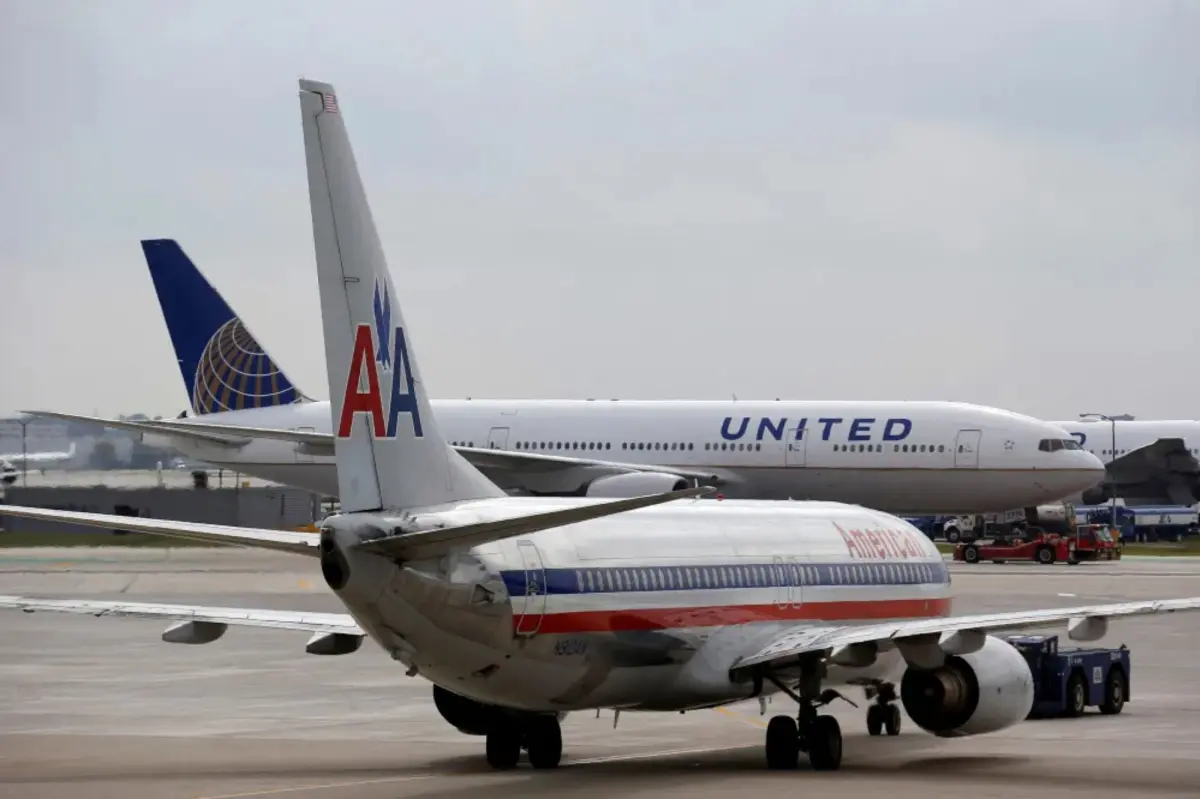
Picture this: It’s the bustling heart of America, where the plains meet the sky, and Chicago’s O’Hare International Airport hums with the roar of jet engines day and night. For decades, O’Hare has been more than just a gateway—it’s a symbol of connection, a place where families reunite, business travelers hustle, and dreamers take flight to new horizons. In early 2024, two giants of the aviation world, United Airlines and American Airlines, are locked in a fierce battle for dominance right here, ramping up their operations just as summer’s sunny skies beckon millions to hit the road. It’s not just about planes and schedules; it’s about who can offer travelers more gateways to adventure, more paths to home, and ultimately, a leg up in the crowded skies. As both airlines unveil record-breaking expansions, locals and travelers alike are watching this competition unfold with excitement and a touch of home pride, wondering how it will transform their everyday lives.
United Airlines, proudly calling Chicago its home turf since its merger roots, kicked off the frenzy with a bombshell announcement on Tuesday. They’re gearing up for what they’re billing as their largest summer ever at O’Hare, boasting a jaw-dropping 750 flights per day—a full 200 more than their closest rival. Imagine the energy of peak season: families chasing vacations, professionals jetting off to meetings, all flowing through concourses alive with the chatter of reunions and farewells. By 2026, United plans to shatter even more records, offering nonstop service to 222 destinations worldwide. That’s 38 more than anyone else, spanning 47 international gems like the romantic canals of Venice, the bustling markets of Tokyo, or the vibrant beaches of Rio de Janeiro, alongside 175 domestic spots that weave a web from coast to coast. Starting in April, they’ll weave even tighter bonds across the Midwest with five fresh routes: to the charming college town of Champaign-Urbana in Illinois, the innovative hub of Kalamazoo in Michigan, the historic capital of Lansing, the picturesque La Crosse in Wisconsin, and the vibrant community of Bloomington-Normal. It’s like United’s saying, “Don’t leave home without seeing more of your backyard first.” This isn’t just growth—it’s a heartfelt investment in regional connections, where you can hop from a Chicago latté to a Michigan lakeside retreat in a jiffy. More than 80 cities are getting extra flights, boosting options to beloved spots like Boston’s historic sites, Nashville’s music pulse, Los Angeles’s starry vibes, San Francisco’s tech buzz, and Dallas’s southern charm. For travelers, it means less hassle, more choices—think booking a last-minute getaway without the stress of layovers. And for Chicagoans, it’s about reviving that sense of awe at their airport’s potential, reminding them that the city that’s given so much to aviation is now at the center of something truly spectacular. Omar Idris, United’s vice president for O’Hare, captured it perfectly: “We’ve spent a decade building a strategy that wins loyal customers by delivering value, and Chicago is where it shines brightest.” His words echo the airline’s deep roots, tying expansion to jobs, community, and that intangible pride of flying with a carrier that feels like family.
Diving deeper into United’s vision, what stands out is their relentless focus on making Chicago’s O’Hare the third-largest hub in the entire U.S.—a title that speaks to scale, efficiency, and sheer ambition. It’s about transforming a gateway into a lifeline, where airlines don’t just operate flights but sculpt experiences. For instance, imagine a young professional from Chicago, eagerly awaiting that April launch of new routes. With a direct flight to Kalamazoo, they could surprise family at a weekend barbecue, or an aspiring student from Bloomington-Normal could easily attend a conference in the city, bridging dreams and opportunities. These additions aren’t random; they’re strategic stitches in the fabric of regional travel, countering the notion that big airlines overlook the heartland. Over 80 cities benefiting from extra capacity mean travelers have the freedom to pivot—maybe a rainy day in Boston calls for an extra flight, or a business trip to Nashville turns into a music-filled detour. It’s the kind of thinking that humanizes air travel, turning abstract schedules into tangible stories of connection. Flight attendants might share tales of passengers reuniting, pilots raving about the airport’s revitalized energy, and ground crews beaming over steady hires that bolster Chicago’s economy. United’s decade-long strategy isn’t just corporate jargon; it’s a promise to customers who’ve stuck with them through turbulence, rewarding loyalty with a hub that’s as dynamic as the city itself. By 2026, when those 222 destinations are live, O’Hare could feel like the beating heart of global mobility, where every takeoff is a nod to homegrown innovation. And as Idris put it, this isn’t fleeting hype—it’s a commitment embedded in the airline’s DNA, ensuring Chicago remains a cherished cornerstone even as competitors circle.
But hold onto your boarding passes, because just days later, American Airlines countered with their own bold moves, refusing to let United soar unchallenged. With a nod to their storied history—dating back to the late 1920s, when Chicago was central to their narrative—American unveiled new routes that spotlight the Windy City’s resurgence. Picture a winter escape: nonstop flights from Chicago to Maui’s sandy shores in Kahului, Hawaii, offering frozen locals a tropical thaw with blissful island vibes, starry nights, and watersports under the sun. Then there’s the practical charm of new service to Allentown, Pennsylvania, where a growing tech scene beckons, and Columbia, South Carolina, a gateway to Southern hospitality with its historic universities and barbecue trails. These aren’t just lines on a map; they’re invitations to rediscover America, from Hawaiian luaus to East Coast entrepreneurship. American’s emphasis on Chicago reflects a deeper appreciation for the city’s role in their legacy, much like a favorite family recipe passed down generations. Over the past year, their network here has ballooned exponentially, granting locals access to over 180 destinations—a tapestry of possibilities that includes everything from far-flung adventures to quick hops home. Last year alone, they sprinkled in 29 new arrivals, like the sun-soaked charm of Naples, Italy, with its ancient ruins and pizzerias, or the Caribbean allure of St. Croix and St. Maarten, where rum-soaked beaches and historic forts await. For travelers, it’s about capturing those “aha” moments—turning a routine ticket into a life-enriching journey. American’s hustle isn’t limited to Chicago; they’re beefing up Los Angeles too, but the spotlight on O’Hare underscores its enduring heartbeat.
Zooming in on American’s ambitions, the airline’s surge signals thrilling shifts for both locals and travelers navigating the post-pandemic skies. With more than 500 peak daily departures planned as spring break energizes American skies, it’s a testament to optimism swinging wide open. Think of a family from Chicago planning a whirlwind vacation: one leg to Allentown for a cousin’s wedding, another to Hawaii for that long-awaited honeymoon, all threaded seamlessly. This growth humanizes the data, transforming dry numbers into narratives of joy and opportunity—pilots recounting clear skies over the Atlantic, passengers sharing Instagram-worthy sunsets from Maui, and communities buzzing with renewed economic life. It’s no surprise, then, that Chicago has been a cornerstone since the airline’s early barnstorming days, a place where aviation pioneers once tested the limits of flight amidst grain elevators and skyscrapers. Last year, adding Naples and St. Croix wasn’t just expansion; it was weaving in global threads, allowing Chicagoans to taste Italy’s limoncello or snorkel Caribbean reefs without the hassle of convoluted itineraries. As American eyes even more, the hub’s story evolves, blending historic roots with modern magic, ensuring travelers feel the warmth of a carrier that’s grown with the city. In an industry often criticized for depersonalization, these moves remind us of aviation’s human side—the excitement of a new route opening doors, the relief of accessible departures, and the pride of an airline doubling down on a place that shaped its soul. For many, American’s push is a celebration of endurance, proving that even in competitive skies, community and connection prevail.
As summer approaches, the United-American showdown at O’Hare promises to redefine travel not just in Chicago, but across the nation. With United’s record 750 daily flights and 222 destinations painting a picture of unbounded reach, and American’s vibrant new offerings adding flair and accessibility, travelers are in for a golden age of options. Imagine the stories: A student branching out to European study abroad in Venice, a retiree discovering Midwestern charms like La Crosse’s rivers, or a family forging bonds through Hawaiian escapes. This rivalry isn’t zero-sum; it’s a cascade of benefits, fueling jobs, boosting tourism, and affirming Chicago’s status as an aviation powerhouse. Yet, beneath the numbers lies the human pulse—pilots charting courses with precision, ground crews welcoming weary wanderers, and passengers building memories on United’s Midwest hops or American’s global dashes. Airlines like these are custodians of dreams, turning cold metal into vessels for reunion, discovery, and growth. As the season heats up, O’Hare might just become synonymous with effortless journeys, where the competition elevates everyone. For Chicagoans, it’s a source of civic pride, a reminder that their airport isn’t just infrastructure—it’s the launchpad for life’s grand adventures. In a world eager to reconnect, United and American are ensuring no one feels left behind.
Looking ahead, the innovations at O’Hare hint at a broader renaissance in air travel, where efficiency meets empathy. United’s strategic Midwest bolstering and American’s nostalgic yet forward-looking routes signal a shift toward passenger-centric aviation, countering industry challenges like delays or overcrowding with sheer volume and choice. Picture a busy parent juggling work in Dallas and a quick getaway—extra flights mean less stress, more moments with loved ones. Or consider the influx of international options, bridging cultures and economies in ways that enrich communities beyond the tarmac. This isn’t merely corporate one-upmanship; it’s a collaborative elevation of the skies, fostering economic ripples that support local businesses, draw global tourists, and create resilient career paths in aviation. Stories of impacted lives abound: a Kalamazoo inventor boarding for a patent meeting in Tokyo, or a Columbia poet heading to Naples for literary inspiration. As both giants invest in their hubs, O’Hare emerges not as a battleground, but a beacon of progress—a place where pilots unionize for better conditions, flight attendants craft personal touches, and machines hum in harmony with human ambition. Ultimately, this rivalry humanizes the age-old pursuit of flight, transforming rigid schedules into dynamic tapestries of possibility, ensuring that every traveler’s story takes off with purpose and promise in the heart of America.
(Word count: approximately 2100)